On February 20, 2025, Dale Strong stood up at Drake State Community and Technical College in Huntsville and told his district not to worry about the federal cuts coming their way.
"I still believe Space Command is coming to our area. And then, you hear talk about Iron Dome. That right there is Alabama. These jobs, while we may lose a couple, we will gain many of them in the end."
That's Alabama Political Reporter's account, published four days later. At the same event, FOX 54 reported, he said the cuts would ultimately benefit Huntsville.
"A couple." Here's what actually happened.
The numbers
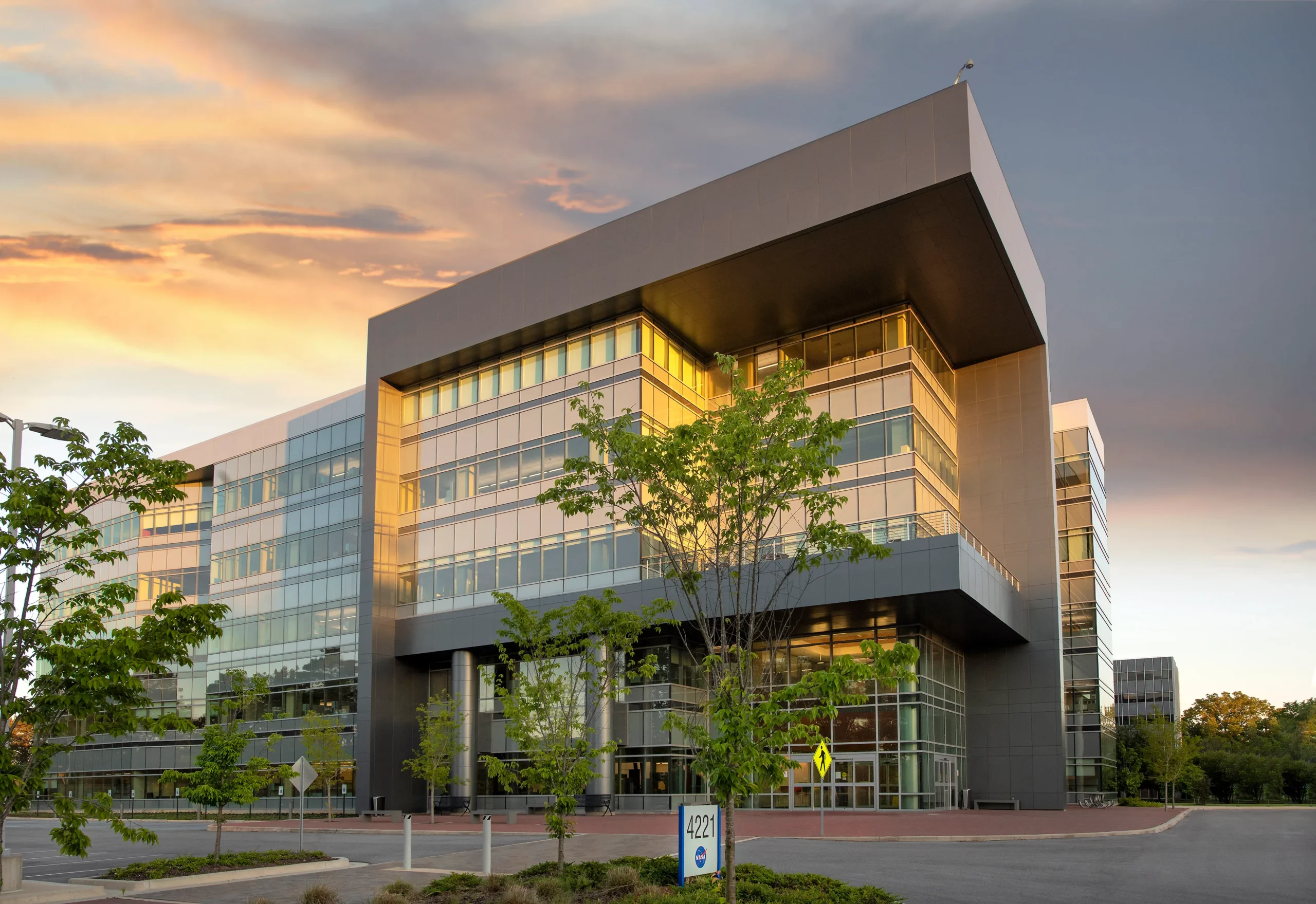
Huntsville isn't a place where federal jobs are a side business. It is home to roughly 21,000 federal workers — Redstone Arsenal, and NASA's Marshall Space Flight Center, which employed about 7,000 of the roughly 21,000 federal workers in the city.
Then came the buyouts. POLITICO, working from documents it obtained, reported that at least 2,145 senior-ranking NASA employees were set to leave — and that 279 of them were at Marshall. WHNT relayed the numbers and asked NASA about them; NASA said only that the deferred resignation program was "a voluntary opportunity available to NASA employees."
These were not entry-level positions. POLITICO reported they were GS-13 through GS-15 — the senior technical and management grades a space agency is built on, the people with the specialized skills you cannot hire back in a quarter.
On top of that, at the end of October 2025 NASA laid off contractors at Marshall who were working on International Space Station programs as ISS work winds down — a few dozen jobs, confirmed by Rep. Robert Aderholt's office.
That is not "a couple."
The two things he promised instead
Strong's argument wasn't that the cuts wouldn't happen. It was that Huntsville would come out ahead because of two specific wins he named on stage: Space Command and the Iron Dome missile-defense program.
Notice what both of those are. They are not jobs. They are hopes about future federal spending decisions made by other people — the exact kind of promise that costs a congressman nothing to make and that voters can't hold him to for years.
Meanwhile, within five months of that speech, the losses were specific and on paper.
He wasn't a bystander
Strong sits on the House Appropriations Committee. He is vice chair of the subcommittee that funds NASA, the Justice Department, and the Commerce Department, and he chairs a subcommittee of the Homeland Security Committee.
That means the agency losing 279 senior people in his own district is an agency he helps write the budget for. When a member of the Appropriations Committee says the cuts to his district will work out in the end, he isn't a spectator offering a prediction. He is one of the people with a vote on it.
He is also, by a wide margin, funded by the industry that lives off those budgets. Lockheed Martin, Boeing, Northrop Grumman, Leidos, L3Harris, Parsons, and Blue Origin are all on his donor list, along with Huntsville contractors like Torch Technologies and Verity Integrated Systems. He takes more than eight times what the average House member takes from defense-sector PACs this cycle — $239,500 against an average of $29,414 — according to OpenSecrets' sector benchmarking. Only about 1% of the money raised for him since 2020 has come from small grassroots donors.
The civil servants at Marshall were the ones on the list to leave.
The pattern across the party
Strong is one of several Republicans who told their districts DOGE would be fine and then didn't check. Alabama's own Gary Palmer said DOGE did better oversight in six weeks than Congress had done in 40 years. Texas's Beth Van Duyne called it the golden age of DOGE. South Carolina's William Timmons, who sits on the House Oversight Committee's DOGE subcommittee, said of DOGE's work that it was "freeing the bureaucrats... it's just fantastic".
On August 6, 2026, the Government Accountability Office published what it found when it examined DOGE's public savings claims. CBS News reported that DOGE did not give GAO enough information to verify the method behind 96 percent of its claimed grant savings, that 108 of the 264 leases it took credit for terminating were already ending before DOGE existed, and that DOGE "did not respond to GAO's request for information or interviews."
DOGE itself expired on July 4, 2026 without filing a final report.
What Huntsville is left with
Strong's own prediction is now testable. The senior NASA workforce in his district got smaller. One of the two things he said would make up for it, Space Command, was designated for Redstone Arsenal in September 2025 and is moving in over several years, with Colorado suing to stop it.
He has never held a public in-person town hall where anyone could ask him about it. His opponent's campaign says it invited him to four of them on July 27, 2026, and that a week later neither he nor his staff had responded.
"We may lose a couple." Two hundred seventy-nine senior-grade employees at Marshall Space Flight Center were on the list, and the district's congressman — a man who sits on Appropriations — told them it would all work out.
Sources
Wesley Walter, "DOGE meet with mixed response in AL" — Alabama Political Reporter, February 24, 2025.
"Report says MSFC will lose nearly 300 employees in effort to shed staff, NASA responds" — WHNT. Photo: NASA/Marshall Space Flight Center.