On Thursday, August 20, 2026, Texas regulators quietly settled the only question about Greg Abbott's data center crackdown that actually matters.
Not what the audit will find. When.
The state's grid operator told the Public Utility Commission it aims to hand in its report on the roughly 300 data center projects lined up to plug into the Texas grid by December 10. The commission signed off on that schedule.
Election Day in Texas is November 3.
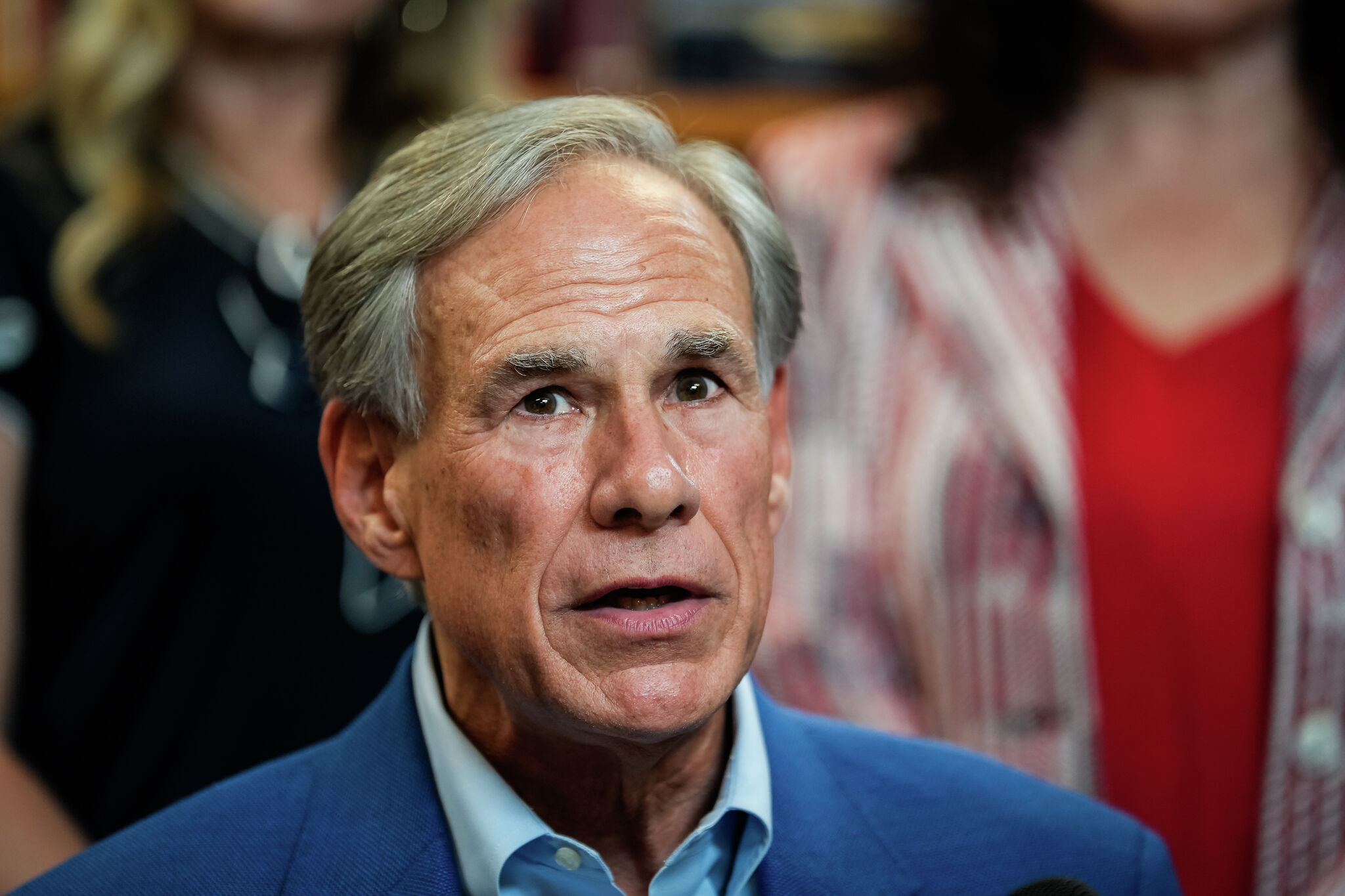
So Texans will vote on whether to give Greg Abbott a fourth term 37 days before the state tells them what it learned about the industry he spent eleven years bringing here.
What He Said He Was Doing
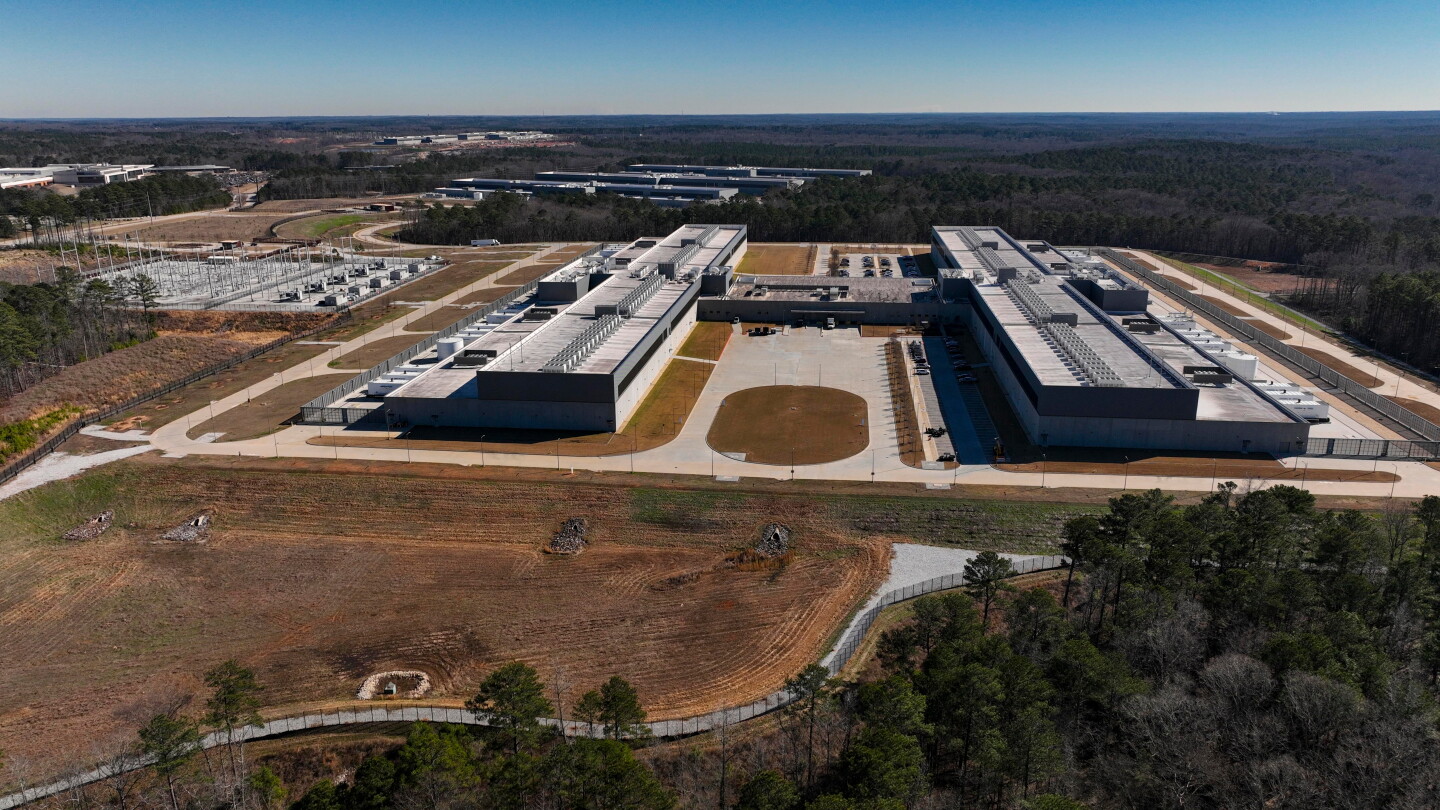
On August 3, Abbott sent a letter to the two agencies that run the Texas grid and told them to stop approving new data center hookups until the state audited how much power and water these things use, what tax breaks they're getting, and who actually owns them.
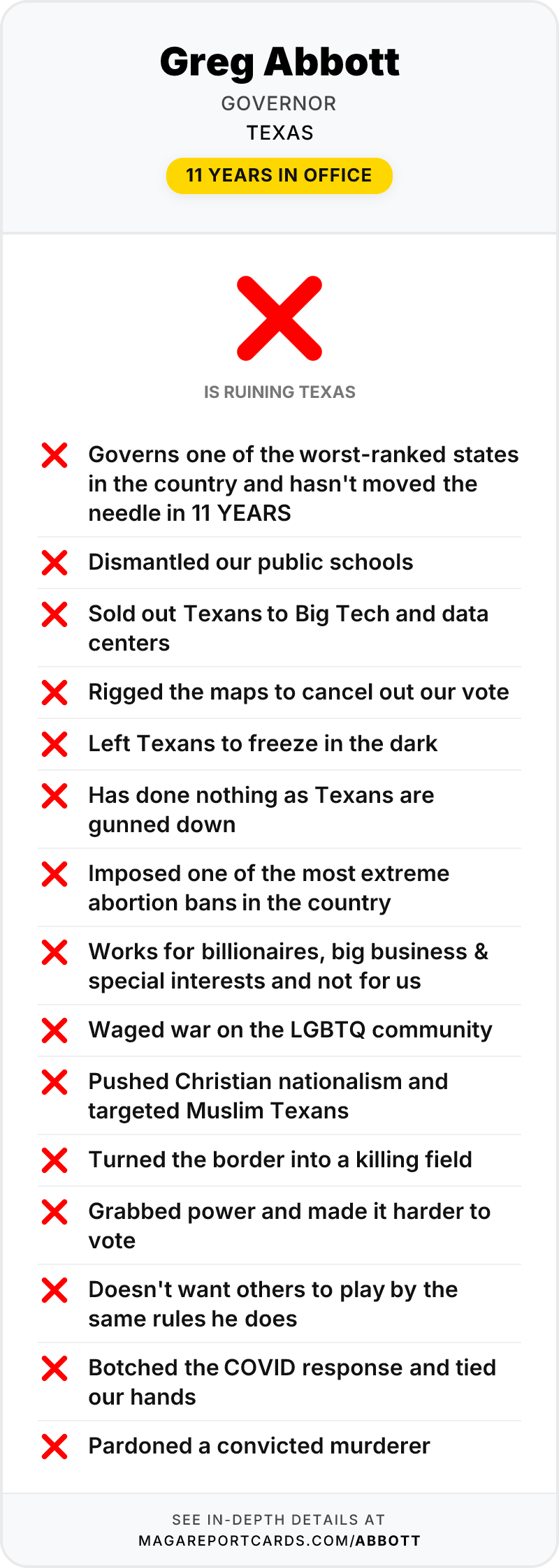
We laid out his record the next day: he branded Texas "the epicenter of AI development," stood next to Google's CEO to announce a $40 billion buildout, and presided over a sales tax break for data centers that started out costing the state an estimated $5.4 million in 2014 and, by this year, was letting $1.3 billion a year go uncollected.
Then, in August of an election year, he announced he was the one protecting us from all of it.
This week he described that as a virtue.
"Texans appreciate the level-headed approach that I've brought to the data center equation."
The Reason He Gave for the Pause Is the Reason to Doubt It
Abbott's own explanation for why the audit was necessary is that the data center companies won't tell the state anything.
"We got less than a 10% response, so that would be like giving you a 100-piece puzzle and saying solve it using only nine pieces of the puzzle," he said this week. "That's the situation ERCOT was in, and it was untenable for them to move forward with such lack of information."
He's describing something real. It also did not start this month, and he has known about it for a while.
Texas already has a law on the books requiring data centers to report their water use. The Texas Water Development Board found 341 data centers in the state and surveyed all of them last year. About 17% wrote back. Two years earlier the board had counted 22 data centers in Texas. By last year it was 341 — and five out of six of them ignored a survey they are legally required to answer.
Republican lawmakers found out in June and were furious about it. Rep. Brad Buckley, at a House hearing:
"So we're building a state water plan off of a 17% response rate. Is that an overstatement? I mean, that is a terrible response rate."
Rep. Trent Ashby, at the same hearing, called the state's reliance on those numbers a "broken system":
"When you're talking about massive water usage, especially groundwater, and the state can't calculate how much water is being [used], I think we can all understand why Texans are rightfully concerned about making sure that we have enough water ... to meet our future demand."
Rep. Cody Harris said the industry's habit of refusing to answer anybody is exactly why people are angry:
"When new developers like Diode Ventures enter a residential neighborhood intent on building a new data center and refuses to do any community town halls, refuses to discuss their water and electricity uses, and refuses to testify before this committee, then Texans rightfully get upset."
Harris's conclusion: "The transparency of utilization of resources shouldn't be optional."
Here's the part that shows how seriously Texas actually takes this. Blowing off that water survey is a crime — a Class C misdemeanor. But the Water Development Board doesn't enforce it. Enforcement would have to come from a local prosecutor or some other agency. So nobody does it.
A law nobody enforces isn't a law. It's a suggestion. The companies figured that out.
So His Fix Is to Ask Them Again
Knowing all of that, look at what the audit actually is.
The grid operator will send information requests to the big projects in late August and early September. Then, possibly, more rounds through October and November. Then it writes up what it got and files the report on December 10.
That's it. The same companies that ignored a legally required state survey are being asked more questions, on a longer timeline, by an agency with no more power to make them answer than the water board had.
The chairman of the Public Utility Commission, Thomas Gleeson, described the community-impact survey that goes with it in three words: "a fact-finding mission."
Nothing in that schedule creates a penalty. Nothing in it makes a single company hand over a number it doesn't want to hand over. And it reports back after the votes are counted.
The Calendar Keeps Doing Abbott Favors
Notice what the pause actually moved.
Before Abbott's letter, the grid operator expected to finish its study of that first group of projects — and start approving them — in April 2027. Abbott's order pushed the paperwork to December and the approvals to some unnamed date after that. The projects were already months away from getting the green light. Nothing was about to be built in October that isn't going to be built now.
Meanwhile, the Texas Legislature doesn't come back until January. Anything lawmakers pass on data centers — ending the tax break, setting water rules, deciding where these things can go — wouldn't take effect until well after that. Until then, the rules are the generous ones Abbott presided over.
Texas Agriculture Commissioner Sid Miller, a Republican elected statewide the same year Abbott was, says that is the entire point. He accused Abbott of giving "a wink and a nod to his data center people saying 'Hey, you have plenty of time to get grandfathered in, then we'll put the screws on all your competition.'" Miller called the crackdown "smoke and mirrors and campaign fluff to gain votes." He says he asked Abbott for a one-year pause, for a special session, and for the return of campaign money from data center companies, and got nothing back.
That money is not hypothetical. Black Mountain Power, a Fort Worth firm building a 430-acre data center campus in southeast Fort Worth, gave Abbott's campaign $500,000 in November 2025 — and its founder and CEO gave another $500,000 in March 2026.
Why the Delay Costs You Either Way
While the state gathers facts, the line keeps growing. Roughly 90% of everything now waiting to connect to the Texas grid is a data center.
Somebody pays to build the power plants and the giant transmission lines that serve all that new demand. Across the country, that somebody has turned out to be regular customers — the people whose only role in the AI boom is the bill at the end of the month. In Texas it's the same grid that collapsed in 2021 and killed at least 210 people.
The water is worse, because you can't build more of it. The state's long-range water plan is being written off a 17% response rate, and the industry drawing from the aquifers still won't say how much it's taking.
Abbott's Own Voters Already Called It
Rural Texans didn't need the December 10 filing date to figure this out. They'd reached the verdict weeks ago — lifelong Republicans in Hood County and Tom Green County describing the pause as "smoke and mirrors" and "just covering his butt." One woman who says she can't remember ever voting for a Democrat put it plainly: "He sold Texans out to big business, and I just don't trust him anymore."
His Democratic opponent, state Rep. Gina Hinojosa, has spent the campaign trying to seize on that backlash.
An audit that reports after the election isn't information. It's a receipt handed to you on the way out.
Greg Abbott had eleven years to ask these questions. He asked them in August of an election year, and set the answers to arrive in December. We deserve better.
Source
Benjamin Wermund, Greg Abbott's data center audit won't be done before the election, The Dallas Morning News, August 20, 2026.