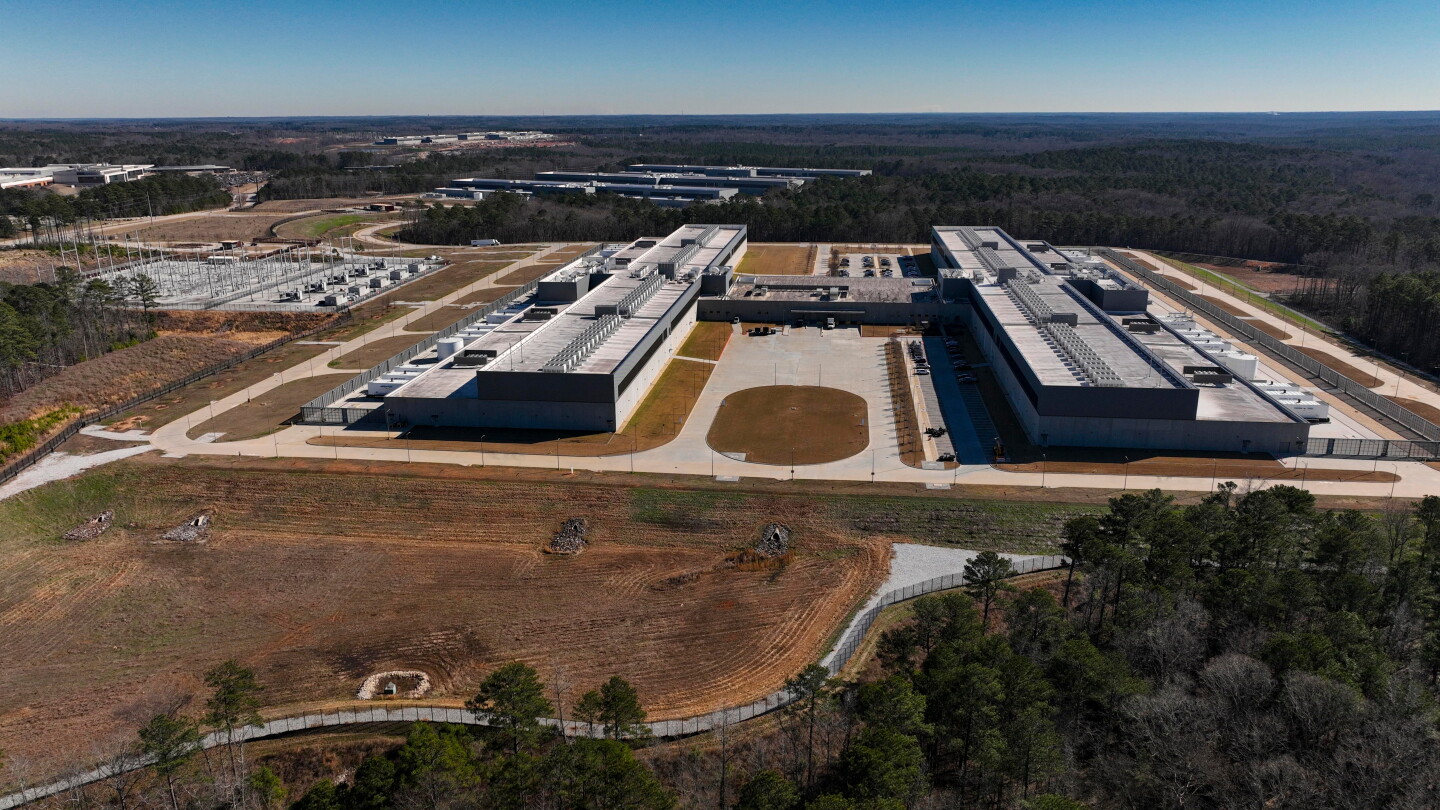
On Tuesday, voters in 10 states passed 43 of 44 local measures to ban or pause data centers and other big projects. Next week, the Senate is expected to take a first vote on a bill that critics say would make those fights harder to win.
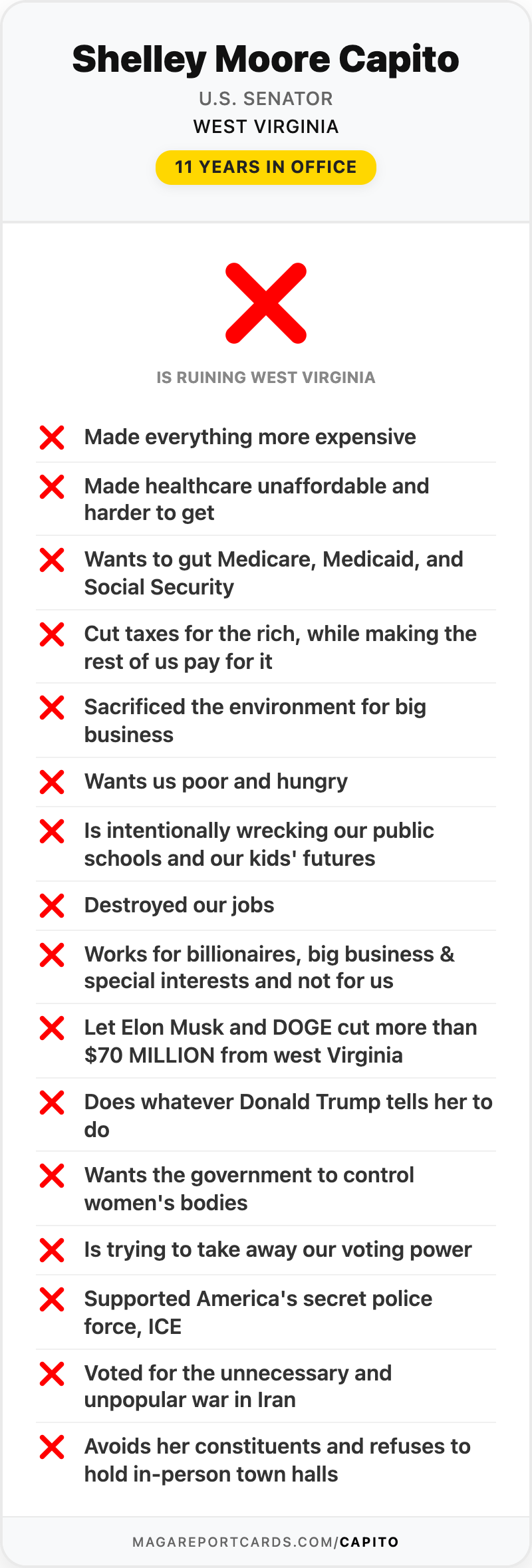
Shelley Moore Capito is one of the bill's four lead authors. She chairs the Senate Environment and Public Works Committee, and she has spent years trying to change how the federal government approves energy projects. Her bill, the Bipartisan American Affordability and Jobs Act, would set deadlines for environmental reviews and change how people can challenge projects in court.
The Natural Resources Defense Council published its review last month. It found real things to like, and that deserves saying up front. NRDC supports the bill's plans to build out the electric grid faster, and a section meant to stop data centers from shifting their power line costs onto other customers. It hasn't taken a final position.
But NRDC also says other parts could do serious harm. One of its examples comes from Capito's own state.
West Virginia's water
Under the Clean Water Act, states and tribes can demand extra protections for rivers and streams hit by federally approved projects. The bill would limit that. For gas pipelines and transmission projects, NRDC says, reviewers could look only at direct discharges, not broader effects like erosion and runoff. For other projects, a state would face a higher bar to prove those protections are needed, and would have to show they are the least burdensome way to deal with the problem.
NRDC pointed to the Mountain Valley Pipeline. It said that if the gas pipeline rule had been in place, West Virginia likely would not have been able to require the controls and monitoring that let the state enforce its rules after the project's runoff violations.
Capito has used that pipeline to argue the system is broken. In a September 2025 speech, she cited it as an example of how lawsuits and regulations slow projects down. NRDC is citing it as an example of a state enforcing its water protections after violations on the project.
Courts could find a violation and still not stop it
Here are the other changes NRDC flagged, in plain terms:
- Permits get harder to change. Agencies generally couldn't change or withdraw an approved permit outside certain exceptions. NRDC says those exceptions don't cover newly discovered harm to the environment or public health.
- Courts lose their strongest tool. If a judge finds an environmental review broke the law, the judge could generally order the agency to fix the review. The judge generally couldn't cancel the permit or stop the project over that violation alone. Construction could keep going in the meantime.
- Taxpayers could pay. If a company wins a challenge after a project is canceled or changed, the government could have to cover project costs, legal bills and other damages.
- Less say for the public. NRDC says the bill would narrow environmental reviews, cut chances for public input and limit tribal involvement in decisions about historic and cultural sites.
Capito describes the deal differently. "For far too long, our broken and outdated federal environmental review and permitting processes have stood in the way of energy reliability, secure jobs, modern infrastructure and economic growth," she said when it was introduced.
Who else is against it
This isn't only one group's worry. In a letter sent Thursday, Food & Water Watch and more than 160 other environmental, health, consumer and religious groups urged Congress to reject the bill. They called it "a backroom deal that will drive forward a massive buildout of AI data centers and the fossil fuel infrastructure to power them."
The bill is bipartisan, and Democrats share the responsibility. Sens. Sheldon Whitehouse and Martin Heinrich are authors alongside Capito and Republican Sen. Mike Lee. The vote will need Democratic support. Protesters planned to gather outside Chuck Schumer's Brooklyn home over it on Friday.
But Capito is the one who answers to West Virginia. She's the chair of the committee that handles the country's clean water laws, and she just helped write a bill that, according to NRDC, likely would have kept her own state from enforcing protections on a pipeline after violations.
We've tracked the money and the rate hikes behind this boom before. These five Republicans took utility money and handed data centers the grid, and the public lands fight is moving the same direction: fewer people with a say, and faster approvals.
What we know
Shelley Moore Capito is a lead author of a permitting bill headed for a Senate vote days after voters in 10 states approved 43 of 44 local measures against data centers and similar projects. The Natural Resources Defense Council supports its power grid sections. It also warns the bill would limit states' power to protect their water, stop courts from halting projects over a flawed environmental review, and could make taxpayers pay companies. NRDC says that if its gas pipeline rule had been in place, West Virginia likely would not have been able to require the controls it used to enforce its rules against the Mountain Valley Pipeline.
Source
NRDC raises environmental concerns over Capito-backed federal permitting reform bill — WV News