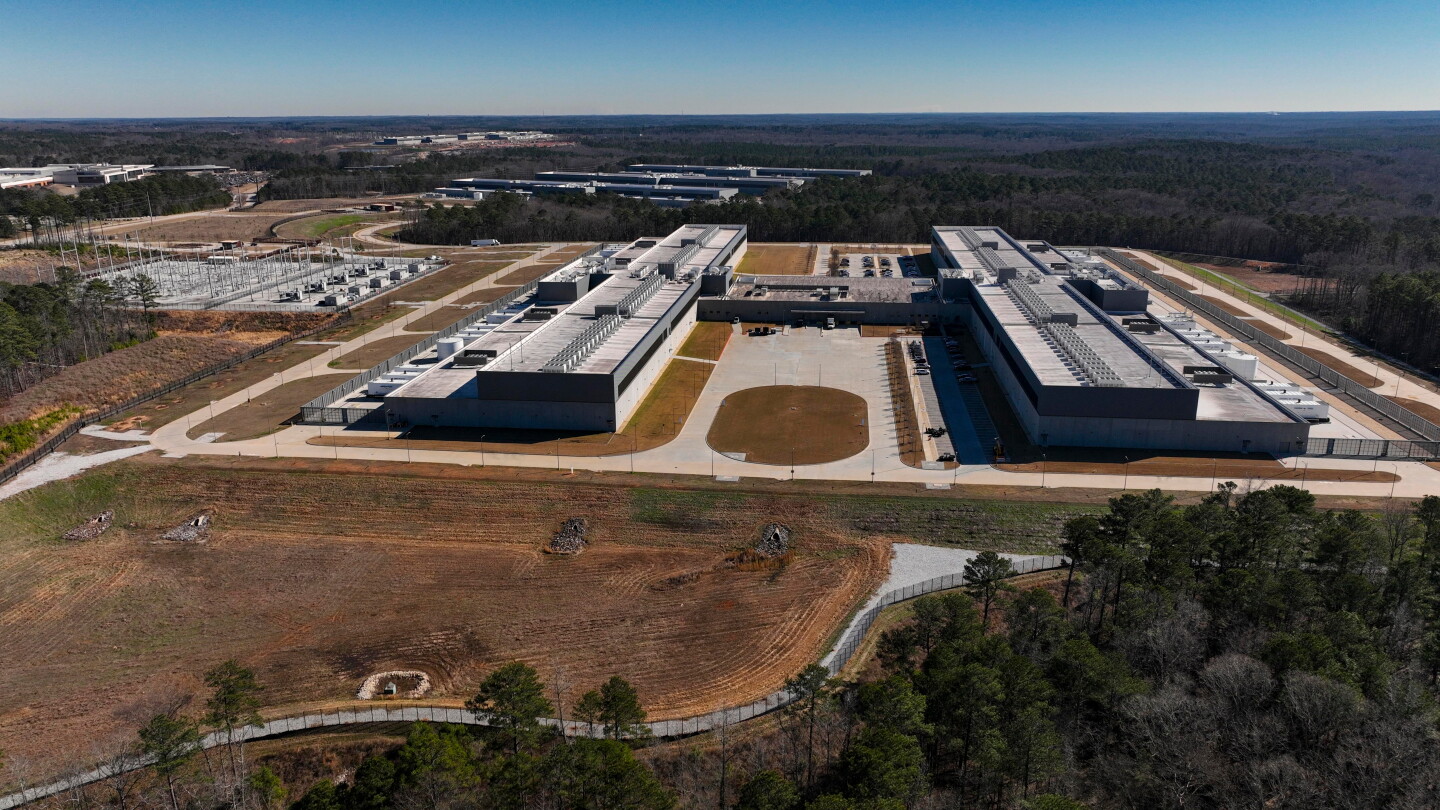
Right now, if a company applies for a permit to put an air-polluting facility near your house, there is a federal rule that says the state has to tell you about it and give you a chance to say something.
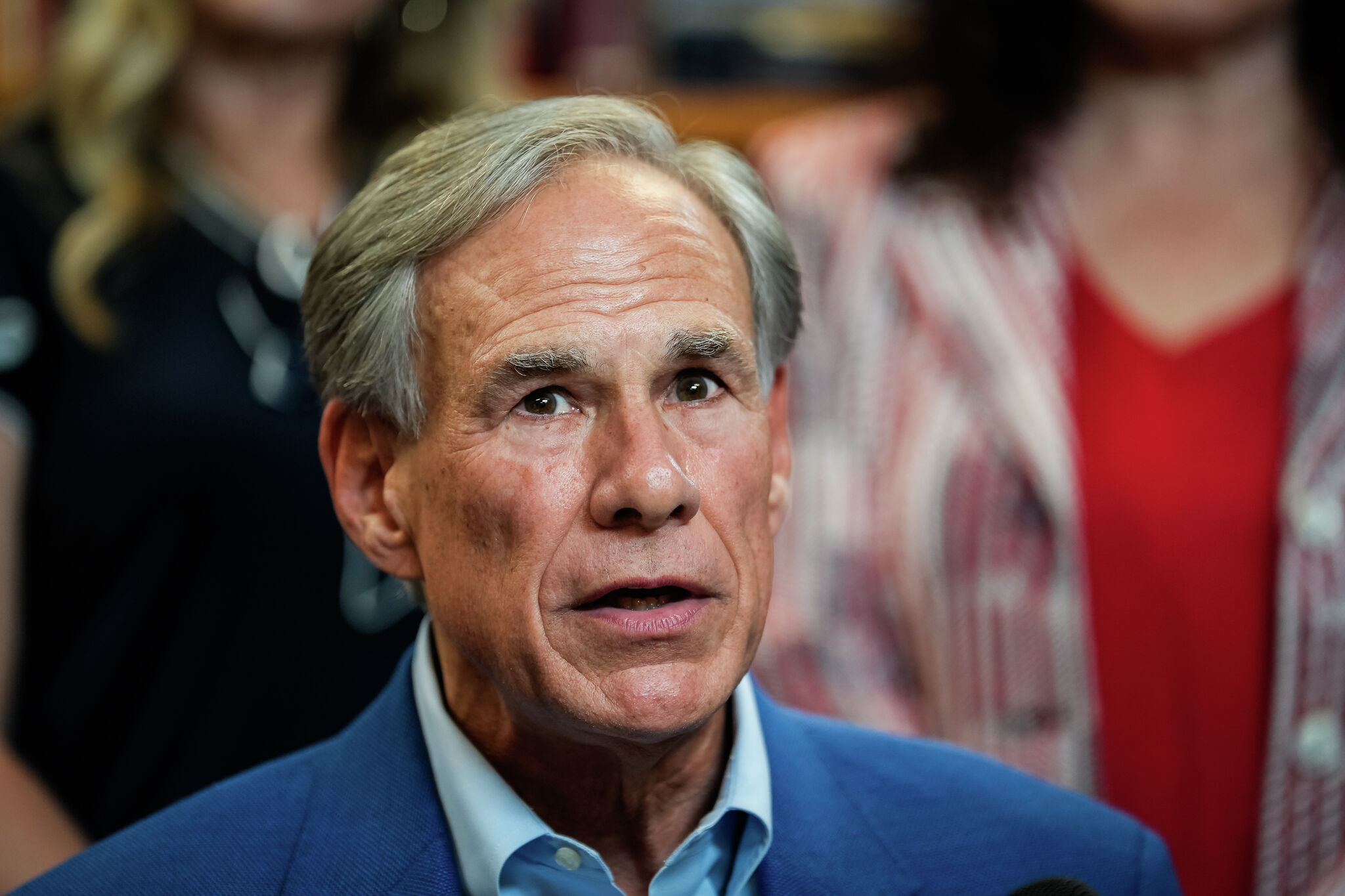
The Environmental Protection Agency, run by Lee Zeldin, is planning to get rid of that rule.
Talking Points Memo's Nicole LaFond walked through the proposal, based on New York Times reporting. It covers a category of industrial facility that includes the thing communities all over the country are currently fighting: AI data centers, and the gas-fired power plants built to run them.
What the rule does now, and what happens without it
Today, when a company files an air-pollution permit application for one of these facilities, the state has to publicly announce it and take public input. That announcement is the entire reason ordinary people ever find out in time. It's what lets somebody show up at a county board meeting, ask what the thing is, and say no.
Take the requirement away and the notice becomes optional. As TPM puts it, residents may not learn the facility is coming until after the permit is approved — or after construction has already started.
An EPA spokesperson told the Times the change would "provide the state and local agencies most familiar with local issues the discretion to determine whether, when, and for how long to provide opportunities for public participation."
Read that carefully. "Whether" is doing all the work in that sentence. The other two words are about scheduling. "Whether" means a state can decide to tell you nothing at all.
It isn't the only thing they're doing
Per the Times reporting TPM cites, the EPA has also:
- Proposed letting developers start building data centers before their permits are approved.
- Exempted the gas plants that fuel many data centers from limits on the pollutants that cause acid rain.
So: build before you're approved, pollute past the acid rain caps, and don't necessarily tell the neighbors you applied.
About the words "minor source"
The proposal applies to facilities the EPA classifies as a "minor source" of air pollution. That category lumps together car repair shops, laundromats, landfills, steel mills — and data centers.
Environmental groups point out that "minor" is doing a lot of work too. A facility in that category can emit up to 250 tons of hazardous pollutants a year and still be a "minor source."
Two hundred and fifty tons. Every year. Minor.
Why data centers specifically
The EPA under Zeldin has recast its mission around making, in its own words, the United States the artificial intelligence capital of the world. That is a striking assignment for an agency whose job has historically been public health and the environment.
And it is happening at the exact moment the public turned on data centers — which is not a partisan thing. It is one of the few issues in 2026 uniting Americans across the political spectrum. The facilities drain local water supplies, they drive up electricity bills in the middle of an affordability crisis, and people don't like being told a hyperscale computing plant is going in next door after the fact.
We've written about what that looks like on the ground. Utility bills are already climbing hard in the states that welcomed these projects — Tampa Electric's rates up 86%, Ohio's bills up 53%. Three out of four Americans oppose an AI data center in their area, and eight Republicans took the industry's money before discovering their concerns. When towns actually organized against the projects, seven Republicans floated the idea that the opposition might be working for China.
This proposal is the next step in that sequence. When people find out, they object. So make it harder to find out.
Who is pushing back
A coalition of more than 200 environmental groups has filed objections, according to Common Dreams, which reported that the rule first surfaced at an EPA meeting in July. Lawyers from the Sierra Club, the Natural Resources Defense Council and the Center for Biological Diversity have all criticized it publicly.
This is also the second time this month we've written about this EPA and this industry. In August it approved two semiconductor chemicals whose identities are a trade secret, its own order recording that there are "currently insufficient data to assess these compounds."
What this costs you
Public notice is not a technicality. It is the only part of the permitting process built for people who don't have a lobbyist.
A tech company applying to build a gas plant knows the rules. It has lawyers who track dockets and engineers who write permit applications for a living. The family three roads over has none of that. What they have is a legal requirement that somebody tell them.
The EPA is proposing to take that away, on behalf of the one industry the public is currently most organized against.
What the record shows
The EPA plans to eliminate the federal rule requiring states to publicly announce industrial air-pollution permit applications and take public comment on them — a category that includes AI data centers and the gas plants that power them. The agency's own explanation is that states should decide "whether" to provide public participation at all. It has separately proposed letting developers begin construction before permits are approved, and exempted the gas plants that run data centers from acid rain pollution limits. Facilities in the affected "minor source" category can legally emit up to 250 tons of hazardous pollutants a year. More than 200 environmental groups have filed objections.
Source
Trump's EPA Clamps Down on Public Outrage Over Data Centers — the One Issue Sparking Bipartisan Revolt — Nicole LaFond, Talking Points Memo, August 25, 2026, reporting on The New York Times.