On Thursday, November 19, 2026, the Senate passed a 400-plus-page bill that would change how the country approves pipelines, power lines, mines and data centers. It's called the Bipartisan American Affordability and Jobs Act. The vote was 62 to 33.
The bill never had a hearing in the Senate. Sen. Jeff Merkley called that "pretty damn outrageous and offensive."
Nearly every Republican voted for it, and 13 of them are senators we track. Fourteen Democrats and independent Angus King, who caucuses with them, voted for it too, and they deserve criticism as well. But this is a Republican Senate, moving a bill the Trump White House backs, and Republicans supplied most of the votes that passed it.
Who voted yes
These 13 senators we track voted Yea:
- Alaska — Dan Sullivan
- Arkansas — Tom Cotton
- Florida — Ashley Moody
- Idaho — Jim Risch
- Kansas — Roger Marshall
- Maine — Susan Collins
- Mississippi — Cindy Hyde-Smith
- Nebraska — Pete Ricketts
- Ohio — Jon Husted
- South Carolina — Darline Graham
- Tennessee — Marsha Blackburn and Bill Hagerty
- West Virginia — Shelley Moore Capito
Two Republicans voted no: Mike Rounds of South Dakota and Josh Hawley of Missouri. Four Republicans didn't vote, Tommy Tuberville among them.
Capito helped write it. She chairs the Senate committee that handles environmental law and is one of the bill's four lead authors.
What the bill does
Supporters sell this as a way to build things faster, and part of it does that. The Natural Resources Defense Council, which published a detailed assessment of the bill, supports its plan to speed up new power lines and modernize the electric grid. That part is real and worth saying.
But NRDC opposes the bill as written, because of what comes packaged with it. In NRDC's words, taken together the bill's rollbacks "would represent the most significant weakening of federal environmental laws since they were established more than a half a century ago." According to NRDC, it would:
- Weaken the Clean Water Act, the Endangered Species Act and the law that requires environmental reviews before big federal projects go ahead.
- Cut back what states and tribes can do to protect their own rivers and streams from federally approved projects.
- Limit the public's say in those decisions.
- Restrict the courts' ability to stop projects that are going ahead under unlawful permits.
- Lock in approved projects through "project certainty" language that NRDC says could help fossil fuel, mining and data center projects more than clean energy — and could leave taxpayers paying companies.
Common Dreams adds that the bill would exempt pipeline expansions from environmental review and could bar future administrations from rolling back projects that are already approved.
Who cheered? The American Petroleum Institute, the oil and gas industry's biggest lobby. It called Thursday's vote "a major breakthrough."
We already showed what it means for West Virginia
Before the vote, we laid out how this bill could tie West Virginia's hands on its own water. NRDC pointed to the Mountain Valley Pipeline: if the bill's pipeline rule had been in place, West Virginia likely couldn't have required the controls and monitoring that let it enforce its rules after the project's runoff violations. Capito pushed the bill anyway, and on Thursday she voted to pass it.
Republicans wouldn't vote on keeping data centers off public land
While the bill was on the floor, Sen. Ron Wyden tried to add a ban on building data centers on public lands. He said Republicans blocked a vote on his amendment.
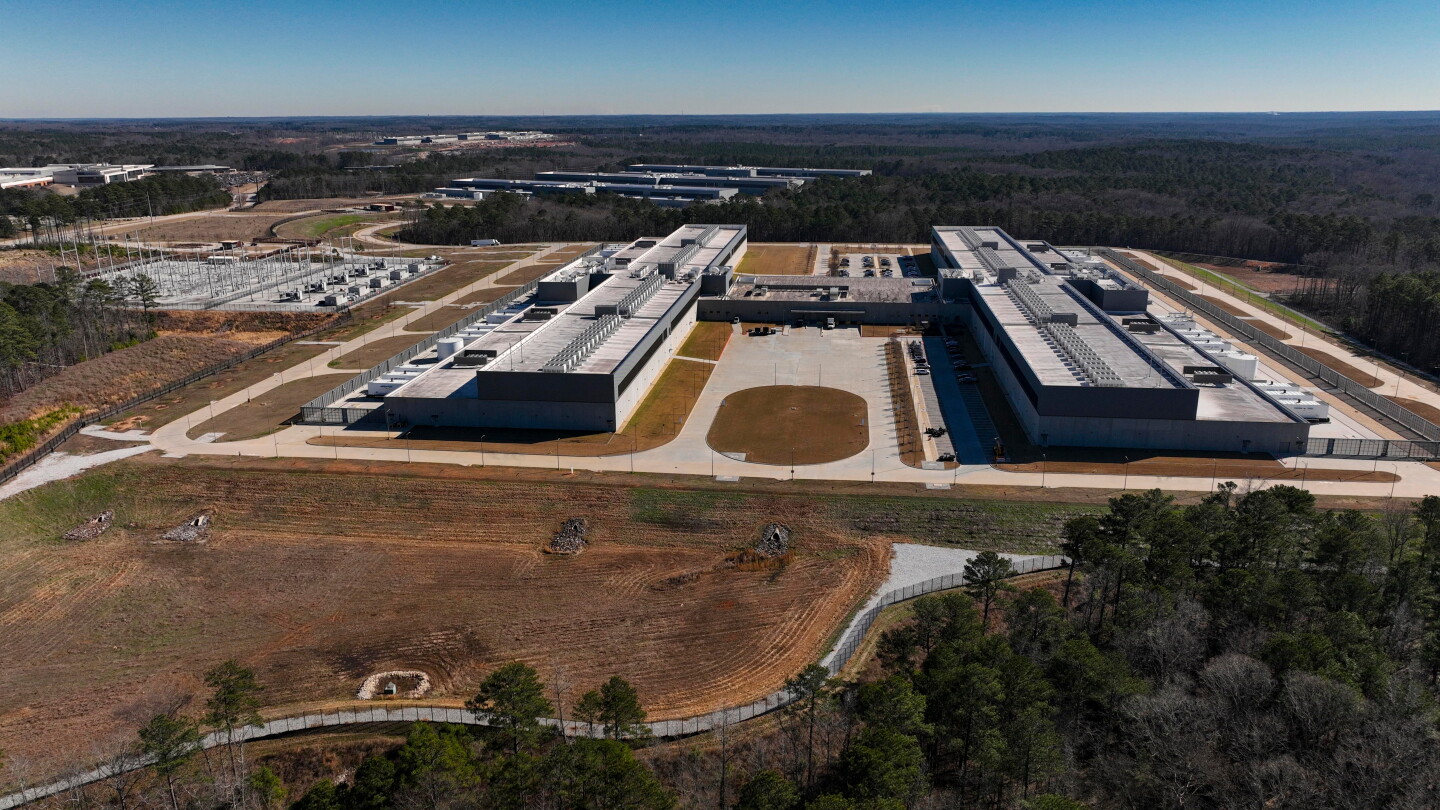
That fight isn't hypothetical. The Washington Sun reported that Interior Secretary Doug Burgum's department pushed the Bureau of Land Management to identify public land "ripe for data center development," and ProPublica reported Burgum has between $18.1 million and $64.4 million invested in artificial intelligence companies, according to Common Dreams. Earthjustice warned that the bill itself "would put public lands on the chopping block" and speed up gas deliveries to fuel the data center build-out.
Two weeks earlier, voters in 10 states passed 43 of 44 local measures to ban or pause data centers and other big projects. The Senate answered with a bill that makes those fights harder to win.
Six of them won't be back
Six senators on this list lost their races on November 3: Sullivan, Marshall, Hyde-Smith, Husted, Graham and Collins. Two weeks after voters turned them out, they voted for a bill that would limit what the next administration and the courts can do about the projects it speeds up.
On the same day, 12 of these 13 senators also voted again to keep Trump's Iran war going. Collins was the exception.
What's next
The bill now goes to the House, which Republicans control until January. Opponents are asking the House to reject it and start over in the new Congress. "The Senate's bill is totally out of step with the message of the midterm elections," said David Watkins of the Union of Concerned Scientists.
What the roll call shows
On November 19, 2026, the Senate passed the Bipartisan American Affordability and Jobs Act 62 to 33 without a single Senate hearing. Thirteen Republican senators we track voted yes, including the bill's co-author, Shelley Moore Capito, and six senators who had just lost their seats. NRDC says the bill would be the most significant weakening of federal environmental laws in more than 50 years, and the oil industry's top lobby called its passage "a major breakthrough."
Sources
- Senate roll call vote 270, H.R. 2347 — U.S. Senate, November 19, 2026
- 15 Senate Democrats Help Republicans Pass 'Giant Giveaway to Big Tech and Polluters' — Common Dreams, November 20, 2026
- NRDC Assessment of BAAJA — Natural Resources Defense Council, updated November 13, 2026