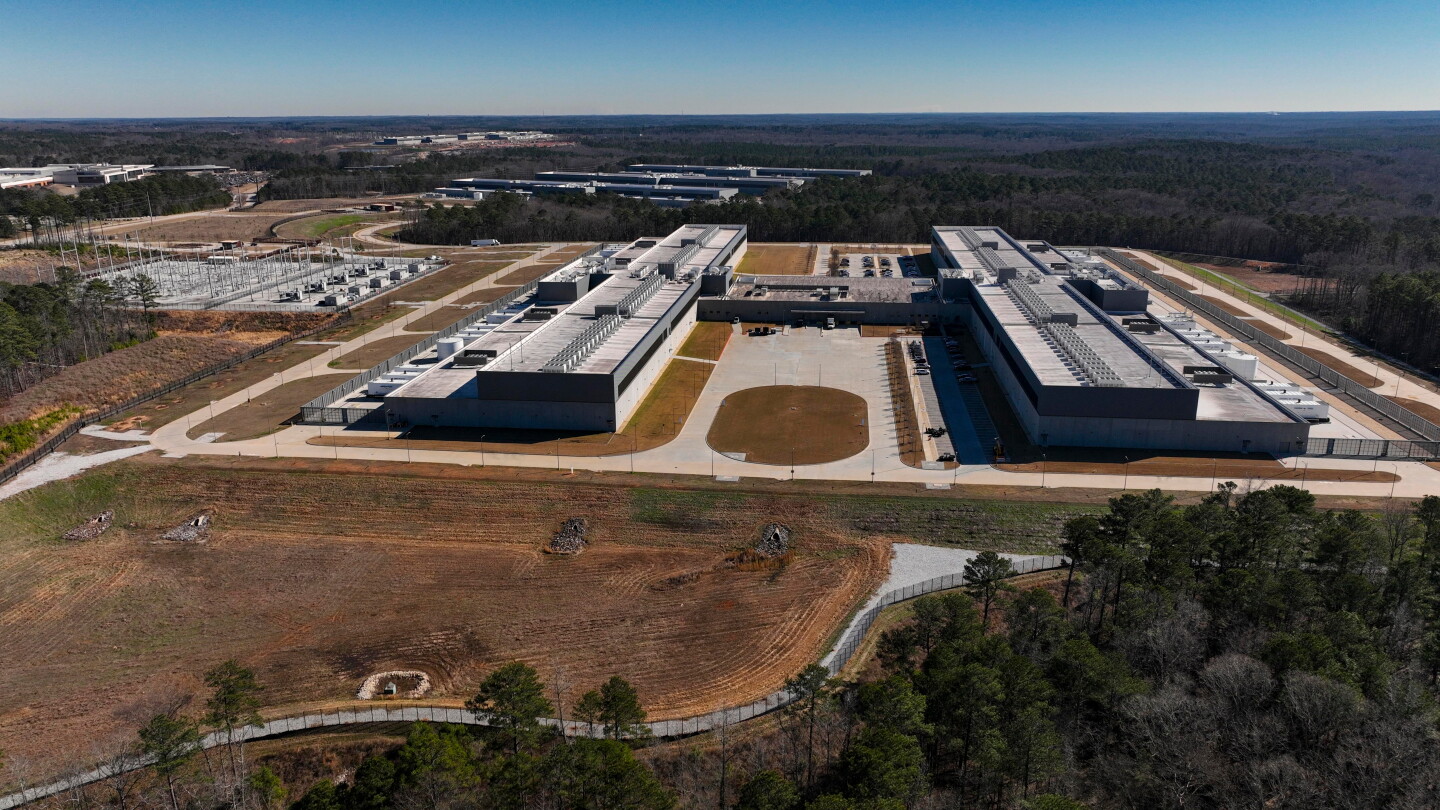
Texas has more data centers coming than almost anywhere in the country, and outside city limits, local officials have no power to say how close to your house one can go.
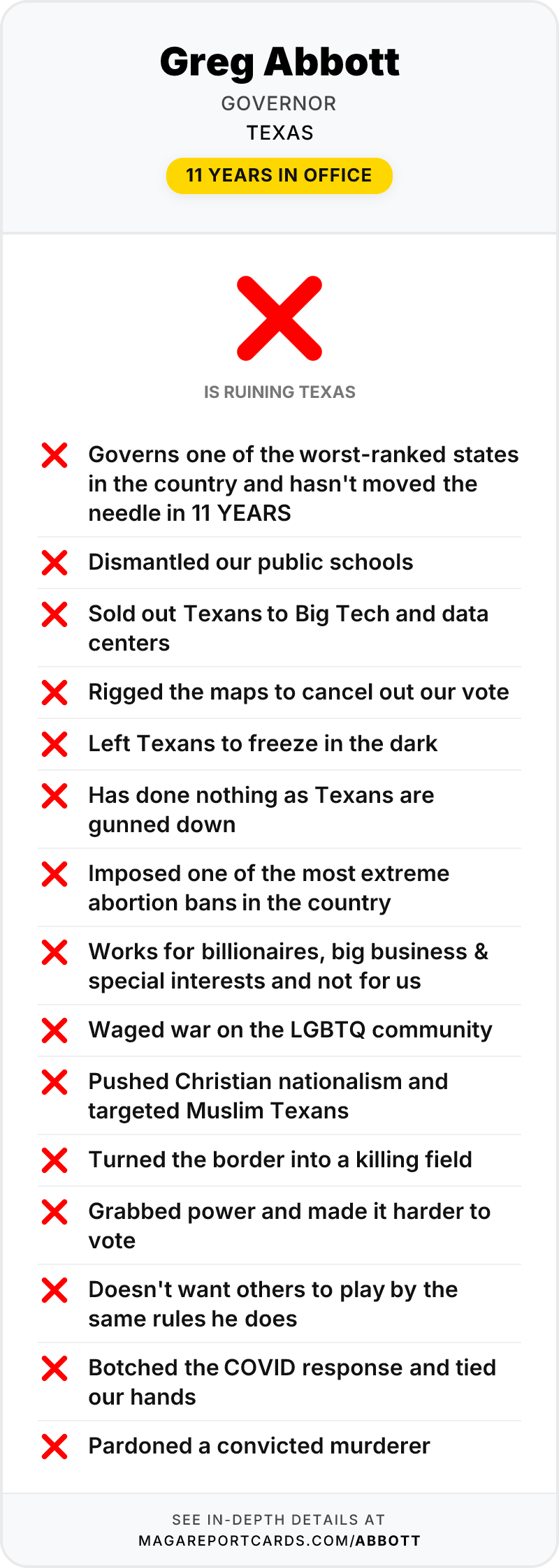
Greg Abbott knows that. On June 10, 2026, his office announced that he would work with lawmakers on legislation requiring data centers to "adopt other practices that protect neighboring communities, such as setbacks and noise reduction."
Three months later, no such law exists. The Legislature doesn't meet again until January, and Abbott hasn't called it back. Meanwhile, economists at UC Berkeley have just measured what living near a data center does to the value of a home.
How many, and where
On September 3, 2026, KXAN published a map of every data center it could find in Texas, using industry data from Data Center Map. It counted 655: more than 300 already running, about 200 planned and nearly 100 under construction. The Dallas area leads with 263 of them, followed by San Antonio with 85 and Austin with 75.
Twenty-nine of the 655 aren't on the map, because their locations are listed as secret. And the state itself doesn't have a full count. The director of the Public Utility Commission told a Texas Senate committee on September 2 that Texas has no complete inventory of the data centers inside its borders.
What they do to the house next door
On September 10, two economists published a national study of data centers and home prices. Garrison Schlauch of UC Berkeley and Simon Greenhill of Harvard and Monash University followed home sales around 346 large data centers across the country, eight of them in Texas, and compared them with similar places that hadn't gotten one yet.
What they found:
- Homes within 3 miles lost about 3% of their value on average over the five years after a data center was announced.
- Homes within 1 mile lost 7.2%.
- Nationwide, that adds up to an estimated $20.6 billion in lost home value.
- Since 2021, the drop has come when a data center is announced, before it's built.
The study is a working paper and hasn't been peer-reviewed yet. But one of its recommendations lines up with what Abbott himself says Texas needs. The loss falls off quickly with distance, so the authors conclude that where a data center goes is one of the biggest levers there is, and they name setbacks from homes, noise barriers and visual screening as ways to shrink the damage.
In other words, the governor promised in June the same kind of fix the economists recommend. It just hasn't happened.
Outside city limits, no one can say "not that close"
Cities in Texas can zone. Counties can't. As the Texas Tribune explained in February, "counties have no zoning authority and typically don't operate utility systems." That means when a data center goes up outside city limits, the county can't set a rule about how far it has to stay from the nearest house.
County officials have been telling state lawmakers this. At an August hearing at the Capitol, Leon County Commissioner Kyle Workman told legislators: "The primary underlying issue here seems to be a lack of county regulatory authority over unincorporated areas. It is my respectful request that the state of Texas provide an increase to county control and influence over these such projects to ensure our citizens receive representation they expect from their local leaders."
Counties that tried to act anyway ran into lawsuits and threats. According to a statewide roundup by The Real Deal:
- Hill County passed a one-year ban on data center construction in May. The developer of a project there sued for $100 million, and the commissioners repealed the ban in July, 43 days later.
- Tom Green County decided in June not to pass a temporary pause, pointing to that $100 million lawsuit.
In Hood County, which is facing eight proposed data centers, a Houston Republican state senator made the threat even more direct. Paul Bettencourt sent a letter to Attorney General Ken Paxton asking him to "investigate" any counties trying to pause data centers and to "explore any necessary legal actions."
Texas cities with zoning power are filling the gap on their own. Kerrville now bans data centers within 500 feet of residential zoning districts, schools, churches and hospitals. El Paso's new rules require at least 300 feet between a data center and residential neighborhoods. Even those cities are working under a 2023 state law that bars cities and counties from passing ordinances that go beyond state law — a law cities said reached into issues like noise rules, and that an appeals court upheld last year.
A family in an unincorporated subdivision, meanwhile, has no local government that can require a buffer. It would take the Legislature to give counties that power.
The Senate knows what to do. The calendar says January.
Lawmakers have already sketched out the fix. At a September 1 hearing, the Texas Senate's water, agriculture and rural affairs committee signaled that it intends to give groundwater districts and counties the authority "to require community hearings, buffer zones, sound and lighting standards." Summarizing what county officials told that committee, the law firm Holland & Knight wrote that residents are demanding protections, "but counties lack the authority to impose them under current Texas law unless a developer enters a tax abatement."
Democrats, including his opponent Gina Hinojosa, have asked Abbott to call a special session to pass laws like that before January. Asked about it in August, Abbott didn't commit to one. He said the Public Utility Commission had requested information "from all power grid operators that wanted to add onto the power grid" and gotten less than a 10% response, and that "that same information is needed by legislators before decisions can be made about the pathway forward."
That information is coming from the audit he ordered in August, and its report isn't due until December 10, five weeks after Election Day.
At the same Fort Worth news conference, Abbott described the situation this way: "What I have done is working. The guidelines and guardrails I've established are now universally adopted across the state of Texas."
The directives he issued in June dealt with who pays for power lines and protecting electric customers. The setbacks and noise rules were left for a future law, and no county has gained the power to require a buffer zone.
What Abbott's pause doesn't touch
Abbott's August order stopped new data centers from being approved to connect to the state's grid until the audit is done. It's a pause on power hookups, and it doesn't create any rule about distance from homes.
The Berkeley study shows why that matters. Since 2021, home values near a data center have dropped as soon as the project is announced. A delay in hooking up to the grid doesn't undo an announcement. For families living near the roughly 300 data centers already planned or under construction in Texas, the study suggests the loss typically showed up when the project became public.
Abbott has also talked about where he thinks data centers don't belong. At an East Texas event in July, he said, "We must prohibit them from building AI data centers in rural Texas neighborhoods." But the Berkeley study found the bigger home-value losses were near data centers in urban areas. For rural ones, the drop was smaller and less certain. The Dallas area alone has 263 data centers running, planned or under construction.
None of this is new to Abbott. He spent years recruiting data centers to Texas with one of the biggest tax breaks in the country before he started talking about protecting the neighbors.
What we know
Texas has 655 data centers operating, planned or under construction, and 29 of them are at secret locations. A new UC Berkeley study, which included eight Texas data centers, found that homes within a mile of a large data center lose 7.2% of their value on average, and that since 2021 the loss arrives when the project is announced. Texas counties have no zoning authority to keep data centers away from homes. Hill County repealed its construction pause 43 days into a $100 million lawsuit from a developer. Greg Abbott promised in June to work on setbacks and noise rules, but he hasn't called a special session to pass them. He says legislators need more information first, his audit reports December 10, and the Legislature doesn't return until January.
Source
Sana Dadani, "Texas Data Center Map: See where data centers are operating or planned," KXAN, September 3, 2026. Study: Garrison Schlauch and Simon Greenhill, "Data Centers Lower Nearby Housing Values," Energy Institute at Haas Working Paper 366, UC Berkeley, September 2026. Photo: Getty Images, via KXAN.