On May 11, 2025, Rob Wittman published an op-ed in the Richmond Times-Dispatch pushing back on the chaos coming out of Washington. It was, by the standards of his party at that moment, a brave thing to write.
Here was the line everybody quoted:
"We need to pursue targeted savings – not reckless cuts. That means using a scalpel, not a sledgehammer, when it comes to rightsizing the federal workforce or realigning federal spending."
Virginia Mercury columnist Roger Chesley wrote about it under a headline that captured the mood: Wittman's scrutiny "needs company from other Republicans." Chesley's first question was blunt: what took you so long?
Wittman's emailed answer was that he'd been at it from the start:
"I've spoken up from the beginning."
He listed what he had done:
"I called for a compassionate approach to federal workforce reforms, raised concerns after mass layoffs at the Department of Education, and advocated for Virginia's research institutions to continue receiving federal funding."
"I've shared personal stories from Virginia's First District directly with cabinet secretaries and White House officials to ensure the human impact of these policies is fully understood."
Chesley took him at his word and closed with the obvious test: "The proof, though, will be how everyday Americans are affected."
Here's the proof.
What he did next
On June 12, 2025, the House voted on the Rescissions Act of 2025 — the bill that cancelled $9.4 billion Congress had already approved and promised, and wrote DOGE's cuts into permanent law. It passed by two votes, 214–212.
Wittman voted yes.
Just after midnight on July 18, the House voted again to send the final version to the president. It passed 216–213.
Wittman voted yes again.
That is not a scalpel. Cancelling money Congress had already committed — with no line-item review of what each cut would do — is the definition of the sledgehammer he had just written a newspaper column against.
The op-ed was May 11. The first vote was June 12. One month.
Virginia paid more than almost anybody
This matters more in Virginia than in most states, and Wittman knows it better than most members.
More than 341,000 federal employees lived in Virginia as of 2023, according to Census Bureau figures Chesley cited. The commonwealth's economy is built on federal payrolls, federal contracts, and the towns that grew up around them.
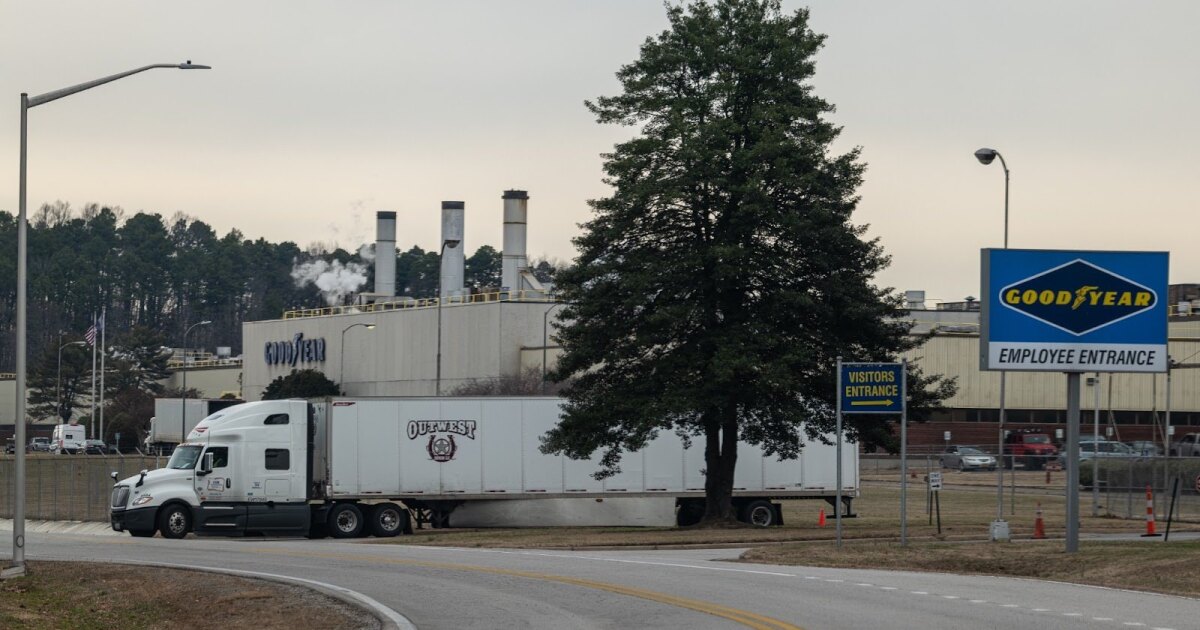
In January 2026, the Virginia Center for Investigative Journalism at WHRO published an analysis of Bureau of Labor Statistics data that put a number on it:
- Virginia had a net decline of 23,500 civilian federal jobs through November 2025.
- That single year wiped out six years of federal job growth in eleven months.
- On top of that, Virginia companies filed layoff notices covering nearly 7,000 more workers — an increase of about 70% over 2024.
Bob McNab, who chairs the economics department at Old Dominion University, explained what those numbers mean in practice:
"On average, each federal government employee earns about 1.6 times the average private sector employee. If we include benefits, that ratio climbs to two. So, Virginia losing 23,500 federal government jobs last year is roughly the equivalent of losing 47,000 private sector jobs."
He added that there is no quick fix: Virginia would need to add 2,000 jobs a month just to catch up, and even then, "the deficit between when they were fired and replaced is still there."
The job losses contributed to Virginia losing its ranking as the No. 1 state for business in the country.
The op-ed was the alibi, not the position
There is a way to read Wittman's May column charitably: he saw the damage coming, said so publicly, and then got rolled by his leadership.
The trouble is that he wasn't rolled. He had two chances, five weeks apart, on a bill that passed by two votes and then by three. On the first of them, a single member changing his mind would have tied the vote and killed the bill. He was, in the most literal sense, in a position to stop it.
Eric Scorsone, executive director of the University of Virginia's Weldon Cooper Center for Public Service, told the Virginia Center for Investigative Journalism that the shock caused by the layoffs may cause problems for the economy in the long term, and offered the one hope available: more military spending. "Virginia has really relied on the federal government," he said. "It has been a good deal, quite frankly. But that's kind of going away."
Wittman is vice chairman of the full House Armed Services Committee and chairman of its Tactical Air and Land Forces Subcommittee. If anyone in Congress was positioned to protect Virginia's federal workforce, or to trade a vote for it, it was him.
And this is the second time we've written this sentence about him
The same month he was publishing his op-ed about reckless cuts, Wittman was also telling Chesley that "Virginia's vulnerable populations" were "protected in the Medicaid portion of the reconciliation bill." He had already signed a letter promising not to support any bill cutting Medicaid coverage. He voted for that bill too.
Two issues, one method: publish the concern, collect the credit for independence, then vote with leadership when the roll is called.
Ohio's Troy Balderson ran the same play on the same bill and got caught inside 24 hours. Wittman's version had a longer fuse and a bigger bill attached — 23,500 Virginia jobs, and counting.
He was right in May. He voted the other way in June and July. Virginians got the sledgehammer.
Source
The op-ed quotes and Wittman's emailed responses come from Roger Chesley's May 16, 2025 Virginia Mercury column, Va. GOP congressman's scrutiny on federal cuts, job losses needs company from other Republicans. Photo: Christopher Tyree / Virginia Center for Investigative Journalism.