Idaho votes on November 3. Four of its Republican incumbents on the ballot are the governor, a U.S. senator and both members of the U.S. House. All four have found a way to avoid standing on a stage next to their opponents this fall.
That's the finding of a new report from the Idaho Capital Sun. "During the 2026 election cycle," the Sun wrote, "Idaho voters have had very few opportunities to see Republican incumbents answer questions at live, public events."
There is one fair point in their favor, and we'll say it up front. Idaho Public Television, which for years ran the state's main debate series, didn't have the staff to put on debates this year. But other groups did hold forums and invited them, and they still said no.
What each one did
Brad Little, the governor, is running for a third term. The League of Women Voters of Idaho held a forum for the governor's race. Little declined. When the Sun asked why he hasn't debated, his campaign manager didn't answer the question. She said his record speaks for itself: "Those historic accomplishments and facts are non-debatable." Little was also the only statewide incumbent who didn't fill out the Sun's candidate survey.
Jim Risch, the senator, also turned down the League of Women Voters' Senate forum. His campaign said that was because the person who asked him had endorsed his opponent. The League's president told the Sun that person had reached out on her own and wasn't one of the organizers. After Risch won his May primary, his independent challenger, Todd Achilles, asked him to debate. Achilles later approached Risch at the Boise Airport before a 9/11 ceremony to ask again. Risch didn't respond.
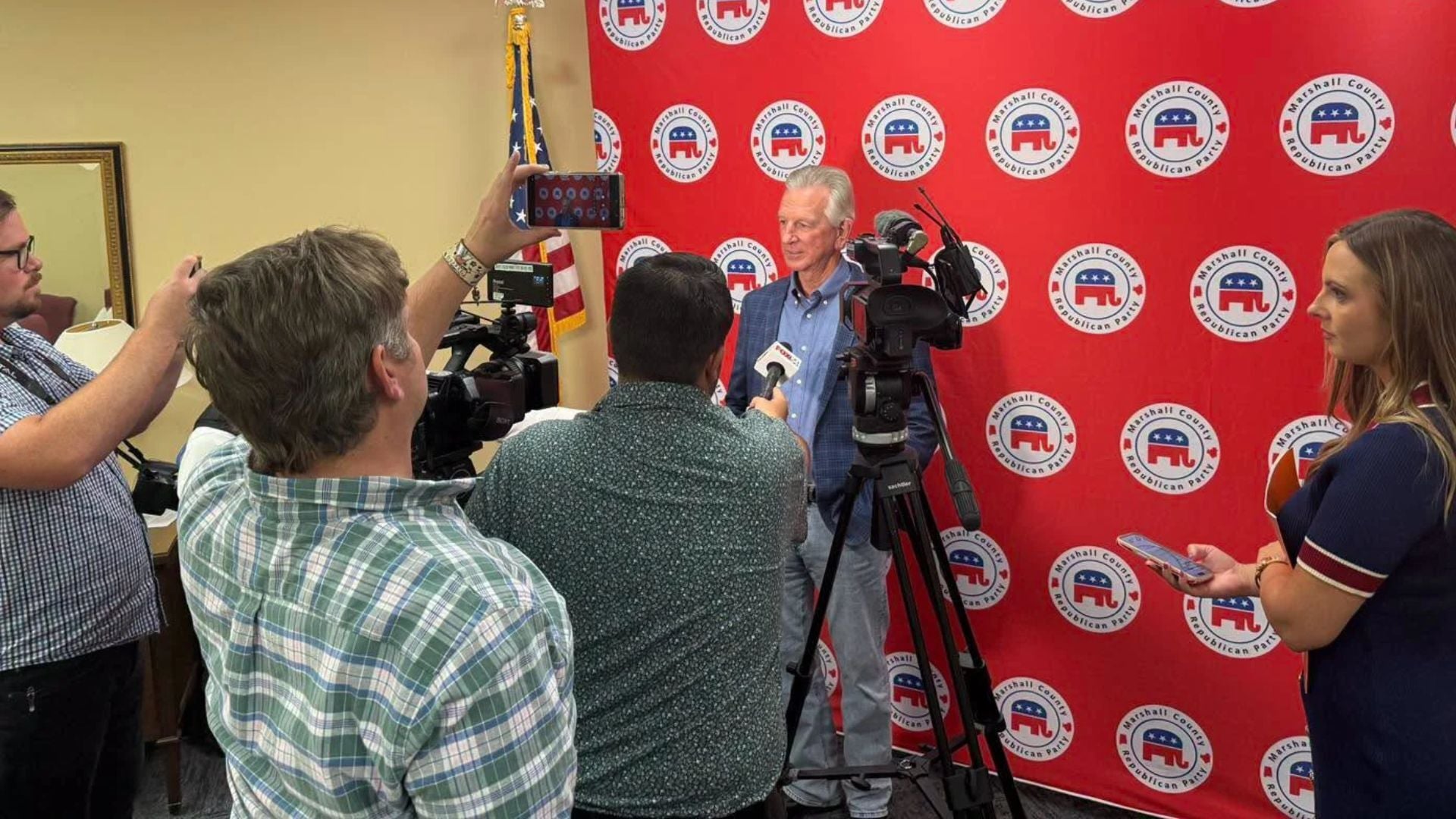
Russ Fulcher, who represents Idaho's 1st District, had the bluntest answer. His Democratic challenger, Kaylee Peterson, walked up to him at a county GOP event and asked him to debate. Her campaign filmed it. "First lesson in campaigning is don't help your opponent," Fulcher said. "I'm not going to help you." Fulcher's campaign couldn't be reached by the Sun.
Mike Simpson, who represents the 2nd District, got only one invitation, from the League of Women Voters, according to his spokesperson. She said it "didn't work with the Congressman's congressional schedule."
Fulcher, Risch and Little also declined a candidate forum in Moscow on October 23, according to the Moscow-Pullman Daily News.
This used to be normal in Idaho
"It was a tradition in Idaho," said Betsy Russell, the former longtime president of the Idaho Press Club. She now leads Idahoans for Openness in Government. Debates, she said, were "how candidates, including incumbents seeking reelection, got out there and put their views and how they contrasted with those of their opponents, in front of all voters all across the state of Idaho."
That started to change in 2022. That year, Little and Simpson said they wouldn't debate in their primaries, and Fulcher joined them in skipping general election debates. Little became the first sitting Idaho governor running for reelection who didn't debate his opponent, according to Russell. "And that launched a cascade of other top officials, pretty much all Republican incumbents, who declined to debate their opponents," she said.
Back then, Simpson explained skipping his primary debate this way: "Republican voters don't need to hear anything more from Bryan Smith," his challenger.
The one statewide Republican who did debate this year is Superintendent of Public Instruction Debbie Critchfield. She did three. "I saw it as an opportunity to highlight and showcase the work I had done," she said.
Why it matters
A debate is the one place a candidate has to answer a question they didn't pick, in front of voters, with their opponent able to push back. A TV ad can't do that. Neither can a friendly radio interview or a rally.
This isn't only an Idaho problem. The Sun cites ABC News: 21 of this year's 35 Senate races, and 21 of the 36 governor's races, have no debate between the two major candidates. We wrote about the same thing in September, when Mike Rogers, Mike Rounds, Tom Tiffany and Rick Jackson all turned down debates.
It also isn't new for these four. Jim Risch still won't answer questions about the January 6 mob that trashed his office. And when Russ Fulcher took constituents' questions this summer, he did it on a phone town hall, not in a room full of them.
What we know
Idaho's governor, its senator and both of its House members, all Republicans, have turned down debates and forums with their opponents this fall. Brad Little's campaign said his record is "non-debatable." Jim Risch didn't respond when his challenger asked him at the airport. Mike Simpson said the one forum he was invited to didn't fit his schedule. And when his opponent asked him to debate, Russ Fulcher told her, "I'm not going to help you."