A debate is the one time a candidate has to answer a question they didn't pick, standing next to the person who wants their job, in front of voters who haven't made up their minds.
This week, four Republicans on this site said no to that. It happened in Michigan, South Dakota, Wisconsin and Georgia, between Monday and Wednesday. In every case, the other candidate was willing to show up.
And three of the four gave the same reason: they're too busy talking to voters.
Michigan: Mike Rogers (MI) left an empty podium
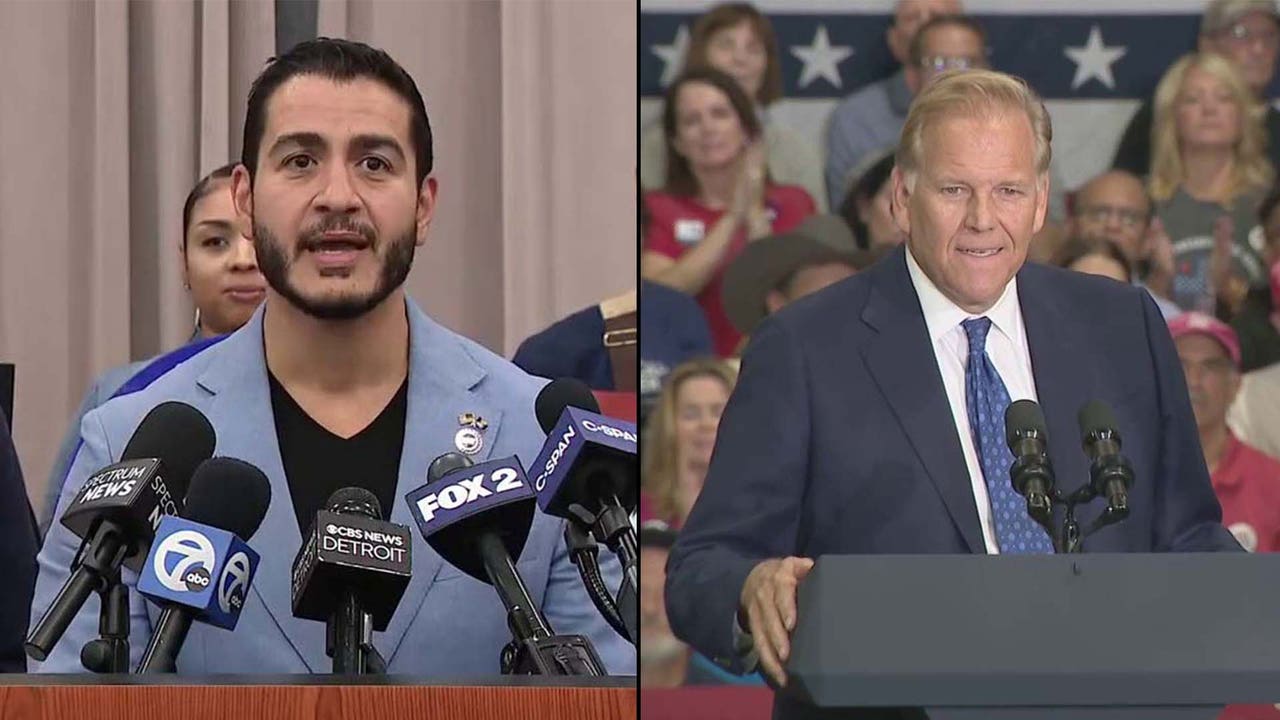
Mike Rogers (MI) is the Republican nominee for Michigan's open U.S. Senate seat. The day after the August primary, FOX 2 Detroit invited both him and Democrat Abdul El-Sayed to a debate on September 15. El-Sayed accepted the next day. By the station's September 1 deadline, FOX 2 said it had not heard back from Rogers or his campaign.
The event went ahead on Tuesday without him. The station planned to leave a podium open for Rogers. He called that "highly unprofessional" in an interview with CBS News Detroit the next day, and said he never signed up:
"Well, first of all, it's not a debate. It's a town hall. We never agreed to it."
His other reason was the moderator. "When you have someone who's already picked their candidate, you can't have a two-on-one event in a TV studio," Rogers said.
El-Sayed's answer: "If I were him, I wouldn't debate me either." He pointed out that Rogers had made time to speak at a Republican convention in Dallas while turning down the Detroit event.
Rogers has agreed to two debates, on October 8 and October 21. El-Sayed had challenged him to five on the day he won the primary.
South Dakota: Mike Rounds let his opponent have the hour
South Dakota Public Broadcasting and South Dakota News Watch set a U.S. Senate debate for 8 p.m. on Monday, September 14, in Sioux Falls. Mike Rounds, the Republican incumbent, had not accepted the invitation, SDPB told South Dakota Searchlight ten days before. SDPB said independent candidate Brian Bengs would get the airtime anyway.
It did. Van Carter, a retired broadcast journalist, wrote in a column for The South Dakota Standard that SDPB made clear Rounds had been given the chance to be there, and that he had not offered a single other date. Bengs had the whole hour.
Responding for Rounds, campaign spokesman Rob Skjonsberg said Bengs "missed his shot to debate in the Democrat primary," a jab at Bengs' losing 2022 run for the Senate as a Democrat. Then he added: "Mike will focus on South Dakotans."
Bengs' spokesperson said that with "rural hospitals closing," "the cost of living soaring" and "another billion-dollar forever war," it was "no wonder" Rounds doesn't want to debate.
Wisconsin: Tom Tiffany sank a second debate
Last week we wrote about how Tom Tiffany turned down the Wisconsin Broadcasters Association debate — a group that has hosted governor's debates since 1990 — and the debate was canceled.
This week, it happened again. A debate set for October 8 at UW-Milwaukee, planned by TMJ4, the university and the Milwaukee County Intergovernmental Cooperation Council — a group of the county's mayors and village presidents — is off, the Wisconsin Examiner reported this week. Tiffany had said he would do only one debate. (The Examiner also reported that Democrat David Crowley couldn't make the original date the station proposed, but that his team wanted to find another one.)
TMJ4 put it plainly: Tiffany agreed to one TV debate on October 21 but declined the TMJ4 town hall debate, which would have taken questions from city, suburban and rural voters. Asked why only one, Tiffany said, "I just think that one debate is going to be able to cover the issues." Then he talked about his travel schedule: "I made a commitment to the people of Wisconsin that I was going to cover all 72 counties," he said. "I'm going to every part of the state."
Glendale Mayor Bryan Kennedy, a Democrat who sits on the council, said the debate "was designed to ask questions that rarely get asked of candidates for Governor" — questions about "the relationship between state government and the local governments" that deliver so many everyday services.
So Wisconsin gets one televised debate for governor, on WISN on October 21.
Georgia: Rick Jackson skipped the Macon forum
Keisha Lance Bottoms, the Democratic nominee for governor of Georgia, said on August 31 that she had accepted six debate invitations — in Macon, Atlanta and Savannah, plus a national CNN debate. Rick Jackson, the billionaire health care executive who is the Republican nominee, has agreed to one: a town hall debate on October 6. His campaign called her push for more a distraction and said she had spent "more than six weeks ducking a debate" herself.
This week, Jackson turned down an invitation to the September 17 candidate forum in Macon, FOX 5 Atlanta reported. Asked about it at a campaign stop in Marietta, he said:
"My focus is, is talking to the people that matter the most, and that's the Georgians, and that's what I'm doing."
According to FOX 5, Jackson's camp says there are no plans to add any more debates.
This isn't new for Jackson. In the Republican primary, he declined a face-to-face debate with Lt. Gov. Burt Jones, citing a scheduling conflict, and Jones ended up on the Atlanta Press Club stage alone. (Jackson's campaign said at the time that it had offered other dates.)
The same line, over and over
Put the excuses side by side:
- Mike Rounds' spokesman: "Mike will focus on South Dakotans."
- Tom Tiffany: "I'm going to every part of the state."
- Rick Jackson: "My focus is, is talking to the people that matter the most."
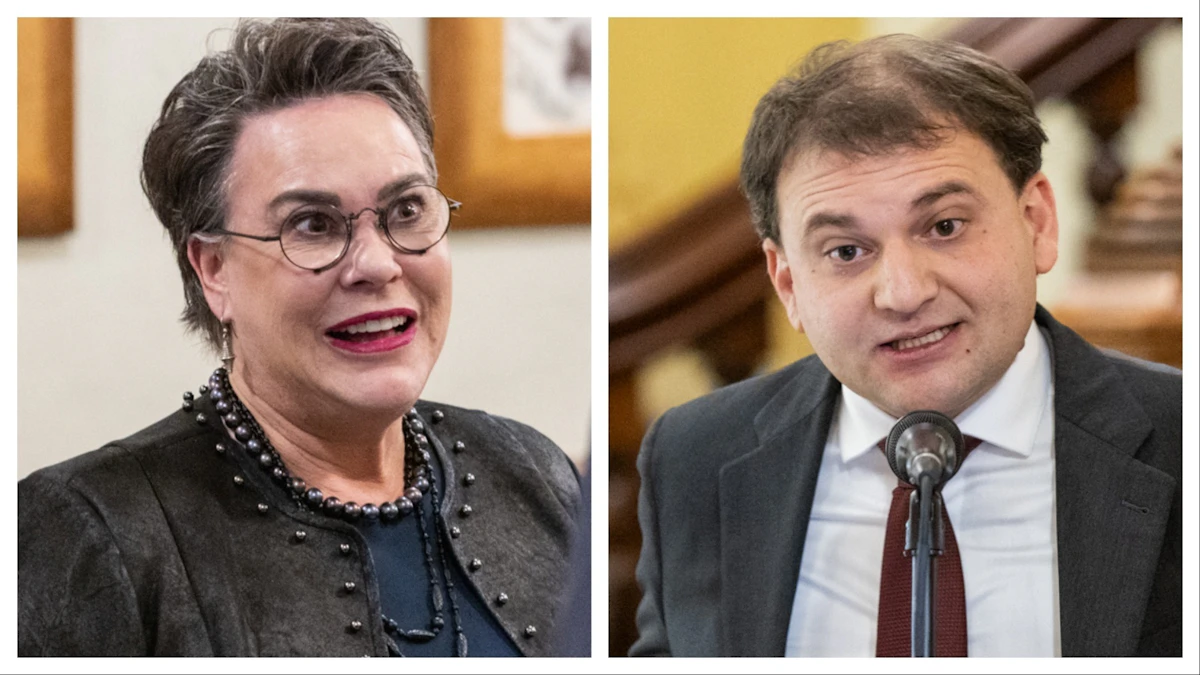
It's the same answer Harriet Hageman's campaign gave last week, when her silence got Wyoming PBS to cancel its Senate debate: she "will spend her time talking directly to voters."
Talking to voters at your own events means you choose the room, the crowd and the questions. A debate means you don't. What they are skipping is the one format where someone else asks the questions and the other candidate gets to answer back.
It's a pattern we've been tracking all year — from Sarah Sanders skipping her debate to Morgan Griffith declining to debate his opponent after more than ten years without an in-person town hall.
What we know
Between September 14 and September 16, four Republicans on this site turned down a debate or forum their opponent was willing to do. Mike Rounds didn't take SDPB's Senate debate, and SDPB gave Brian Bengs the airtime anyway. Mike Rogers skipped FOX 2 Detroit's September 15 event, calling it a town hall he never agreed to. Tom Tiffany's one-debate limit canceled a second Wisconsin governor's debate. Rick Jackson turned down the Macon forum and said he won't add more debates. Rounds' campaign, Tiffany and Jackson each said, in so many words, that they were busy talking to voters.
Sources
- FOX 2 Detroit: Mike Rogers unanswered for Detroit Senate debate; Abdul El-Sayed committed (photo: FOX 2 Detroit)
- CBS News Detroit: Mike Rogers defends skipping Michigan Senate event: "We never agreed to it"
- South Dakota Searchlight: South Dakota's general election debate season set to begin at State Fair
- SDPB: 2026 South Dakota US Senate Debate
- Wisconsin Examiner: Another gubernatorial debate canceled due to GOP candidate Tom Tiffany declining to participate
- TMJ4: Why Wisconsin governor's race will have only one debate
- FOX 5 Atlanta: Georgia governor race: Bottoms calls for six debates as Jackson declines
- CBS Atlanta: Keisha Lance Bottoms and Rick Jackson clash over debates before election