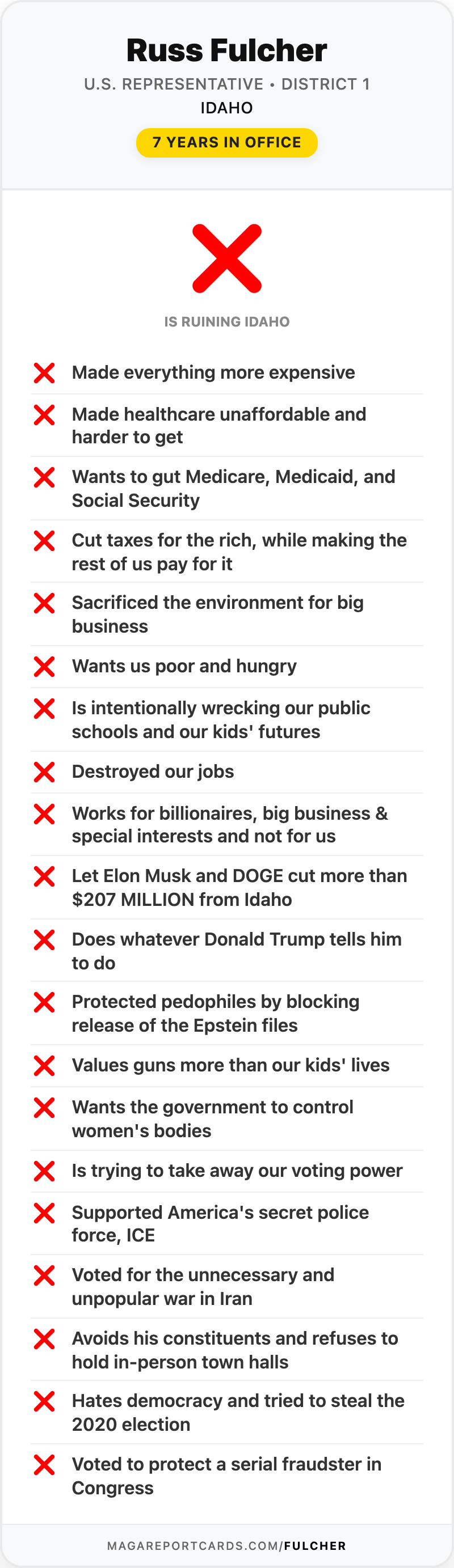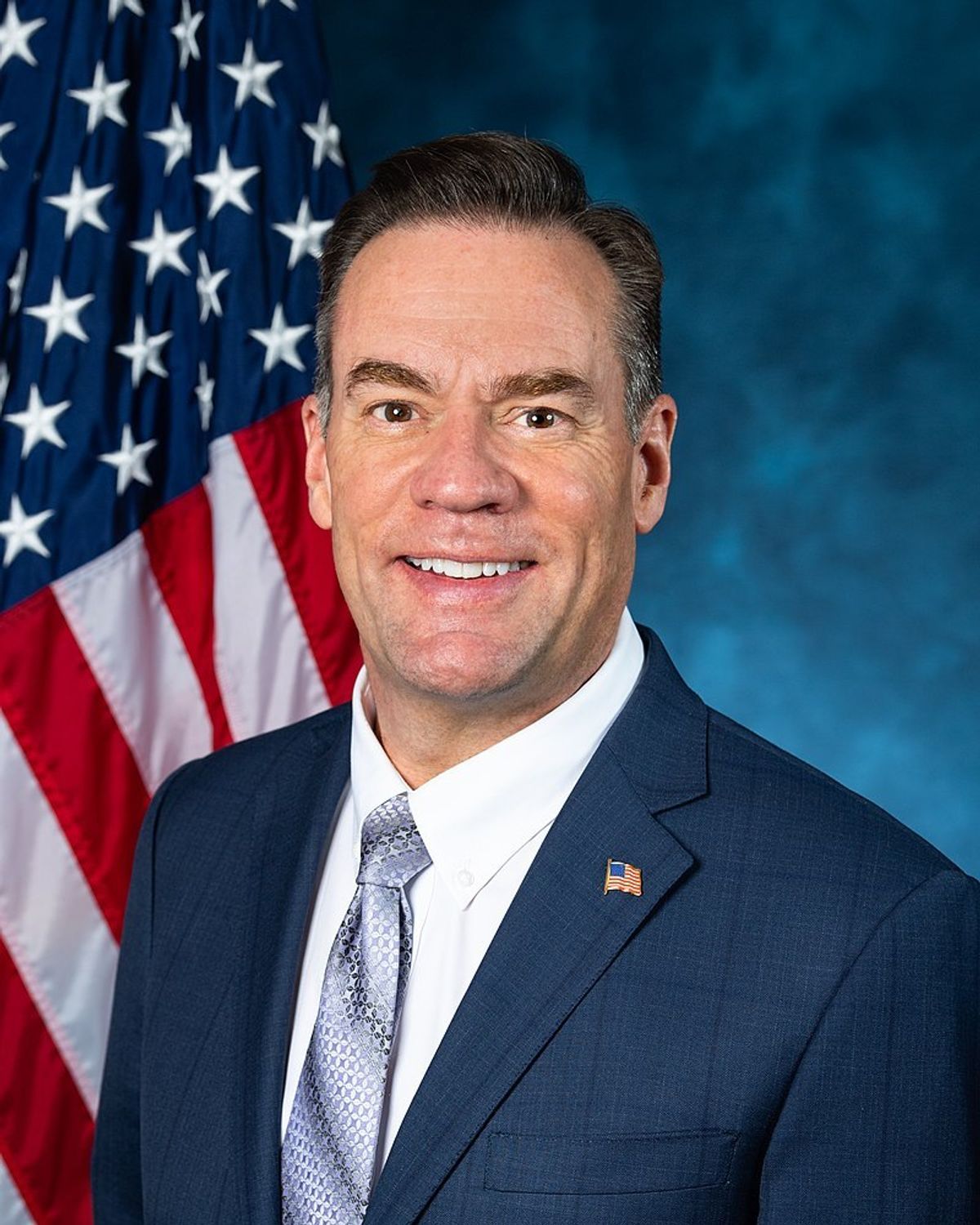
On Wednesday night, Idaho Rep. Russ Fulcher held one of his telephone town halls. The Lewiston Tribune reported on what he told callers, and on the format: Fulcher "answered a series of screened questions." Two things stand out, because both would take something away from Idahoans: their public lands, and their easy access to the ballot.
Handing Idaho's public lands to the state — and maybe to the highest bidder
Idaho is a public-lands state. About 62% of the land inside its borders is federal — national forests, rangeland, and wild country that every Idahoan can hunt, fish, camp, and hike on today, no matter how much money they have.
Fulcher wants to change that. As a member of the House Natural Resources Committee, he has advocated transferring management of federal public lands to the state. In 2025 he voted to approve a provision to sell off thousands of acres of federal land in Nevada and Utah — an amendment that ultimately didn't make it into the final law. And in December, he released a letter pushing to assemble stakeholder groups to examine how Idaho could take control of the federal lands within the state, arguing it would open up timber, grazing and mining opportunities.
Conservation groups saw exactly where that leads. The Idaho Conservation League, the Greater Yellowstone Coalition, and the Wilderness Society responded that Fulcher's plan would "pave the way for the privatization" of these lands. Their reasoning is simple math: maintaining those lands costs an estimated $500 million, and a state suddenly stuck with that bill would likely have to sell off a big chunk of it just to balance its budget.
That's the danger. "Transfer to the state" sounds harmless. But once land is off federal hands and the upkeep bills come due, the pressure to sell to developers, mining companies, and private buyers is enormous. The land that belongs to all of us today could end up behind a fence.
Championing the SAVE America Act — a solution to a problem that doesn't exist
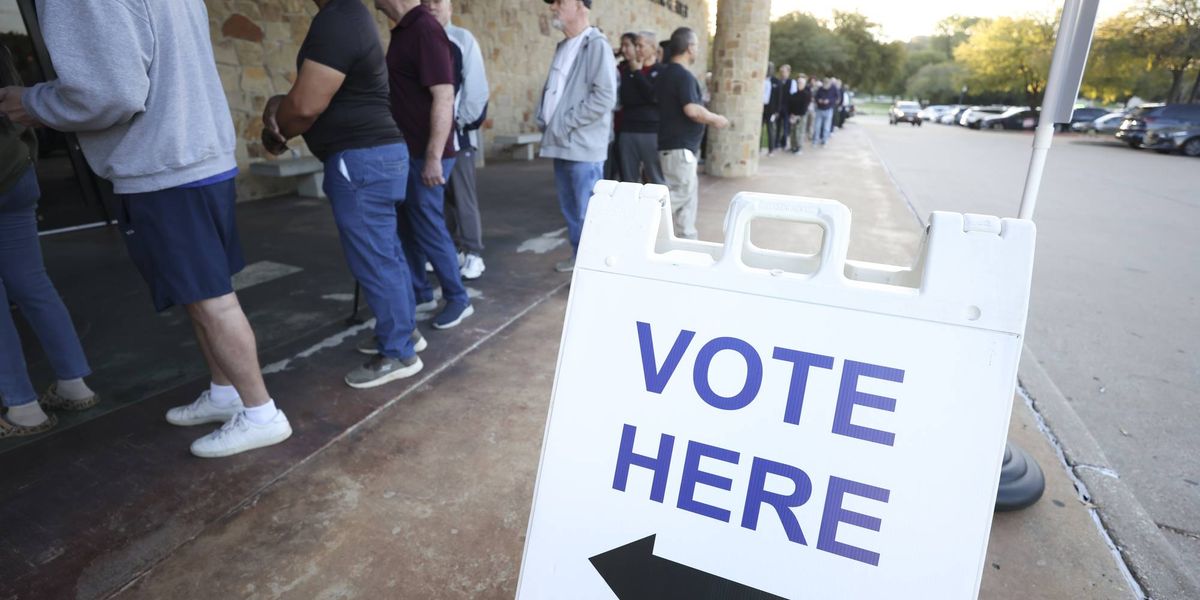
Fulcher also used the town hall to push the SAVE America Act, the Trump-backed voting bill that would require people to show documentary proof of citizenship to register and a photo ID to vote. It's sold as a way to stop noncitizen voting — which, as the Lewiston Tribune notes, is already illegal in the United States.
Here's how Fulcher framed his opponents:
"I do understand why the Democrat side doesn't want to pass it. They don't want to require citizenship to vote."
That's a smear, not an argument. Nobody is fighting to let noncitizens vote — they already can't. What the bill actually does is put up new paperwork hurdles for eligible American citizens. To register you would need a passport, a driver's license that states you are a citizen, a military ID paired with a service record showing you were born here, or a government photo ID paired with a certified birth certificate or one of a few other listed records, like a naturalization certificate. Only five states — Michigan, Minnesota, New York, Vermont and Washington — issue an enhanced driver's license with proof of citizenship. Then, at the polls, you would have to produce a photo ID all over again.
Fulcher isn't shy about wanting it passed by any means necessary. He said he expects the bill to move through the reconciliation process, which would let the Senate pass it with a simple majority instead of the 60 votes it has failed to reach. That same day, the House had adopted a budget resolution clearing the way for $10 billion in House Administration Committee changes that, as the New York Times reported, fund elements of the SAVE America Act. Fulcher told callers: "I think we have a pathway for it, and I think we're going to get it done."
So the man whose town hall questions come pre-screened is working hard to make it harder for his own constituents to vote.
Two takeaways, one pattern
Public lands and voting rights aren't obviously connected — until you notice the pattern. On both, Fulcher is on the side of the powerful and against the ordinary Idahoan. He'd move public land toward private hands, and move the ballot further out of reach for regular citizens. Neither of those helps the people who called into his town hall. Both help the interests that fund campaigns and want fewer voters and more privatized land.
Idahoans deserve a representative who protects their access to the outdoors and to the ballot box — not one who quietly works to shrink both.
Source
- Lewiston Tribune: Fulcher discusses public lands, SAVE Act in telephone town hall (reporting by Royce McCandless)