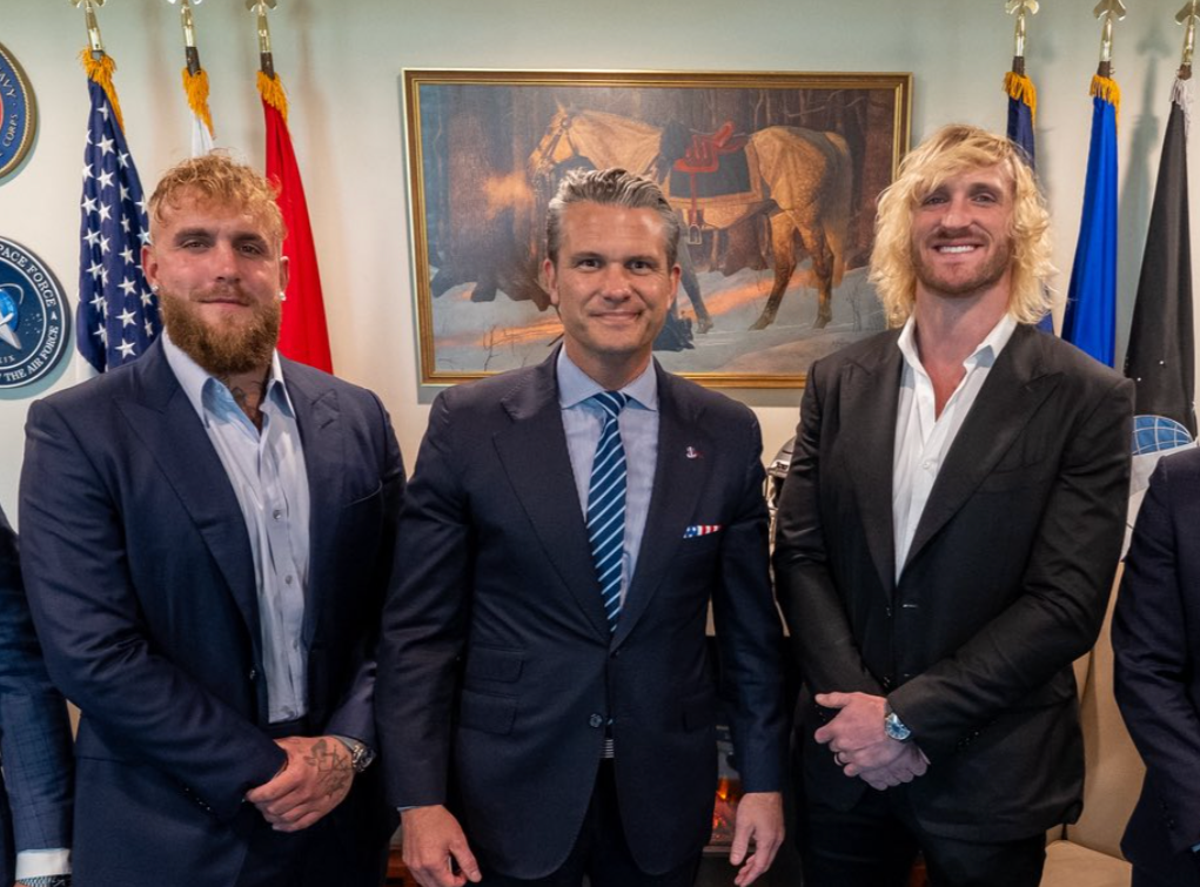
On Thursday, September 17, Defense Secretary Pete Hegseth welcomed two YouTube stars to the Pentagon. Jake and Logan Paul toured the building, spoke to troops from the Pentagon's press room, and posed for photos with Hegseth. The Defense Department put the video online, captioned: "Last Thursday, we welcomed Logan and Jake Paul to the Pentagon to meet with our warriors."
The next day, Friday, September 18, was National POW/MIA Recognition Day — the day the country honors prisoners of war and troops still missing in action.
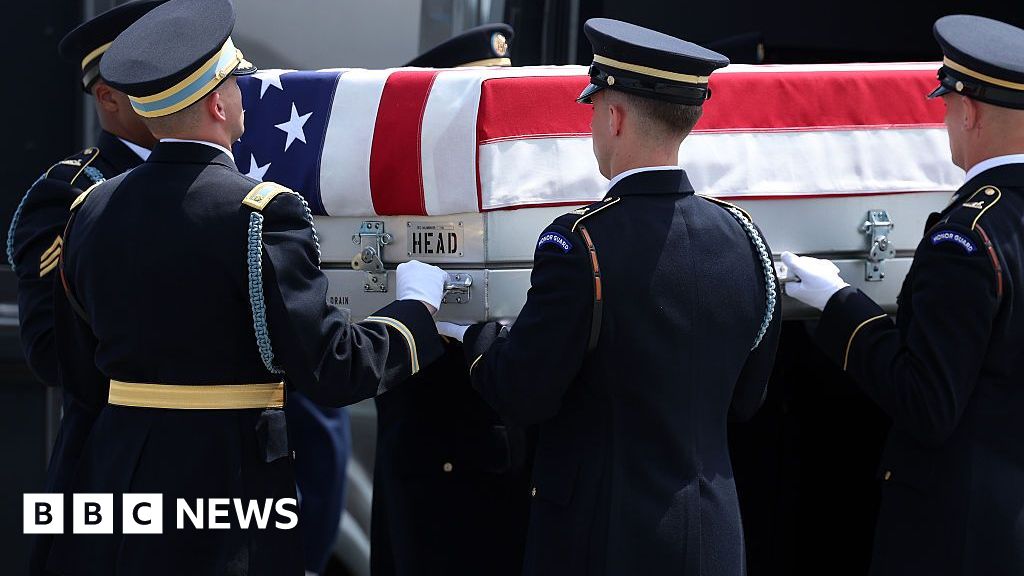
That same Friday, The Washington Post reported that more American service members have died in the Middle East during the Iran war than the Pentagon has told the public. At least four more. Their names, and how they died, have not been made public.
The Pentagon made room for a celebrity tour. Asked about its dead, it declined to answer.
The count that doesn't add up
The Pentagon keeps a public database of every American killed or wounded in its wars. It's called the Defense Casualty Analysis System. As of Friday, it listed 18 U.S. military deaths since the Iran war began on February 28.
Six U.S. officials who have seen the Defense Department's internal numbers told the Post that isn't the real total:
- Five of them said at least 22 service members have died — four more than the public count.
- The sixth said 23 have died since February 28. That official said not all of the unreported deaths were directly caused by the fighting, but all were U.S. troops in the Middle East while the war was going on.
- The same official said three U.S. contractors based in the region have also died since the fighting started.
Who were they? When did they die, and where, and how? The Post says those details remain unclear. The officials who shared the higher number told the Post they were frustrated that those deaths weren't in the public count.
And the Pentagon's answer? It declined to address the gap at all.
This isn't about paperwork
A death count sounds like a record-keeping problem. It isn't.
Every time a service member dies, the military runs an investigation to decide whether the death happened in the line of duty. The Post reports that those findings affect which survivor benefits the family can get.
The Post says getting the count right matters beyond keeping the public informed. And the public count is the one place where anybody — a reporter, a member of Congress, a family — can check that the government is telling the truth about who it lost.
They've done this before
In July, we reported that the Pentagon's website said 18 troops had died in the war, and then said 14. Four dead soldiers vanished from the count. They had been killed after Trump's ceasefire fell apart, and the administration moved them onto a brand-new list called "Overseas Operations" instead of counting them as part of the war.
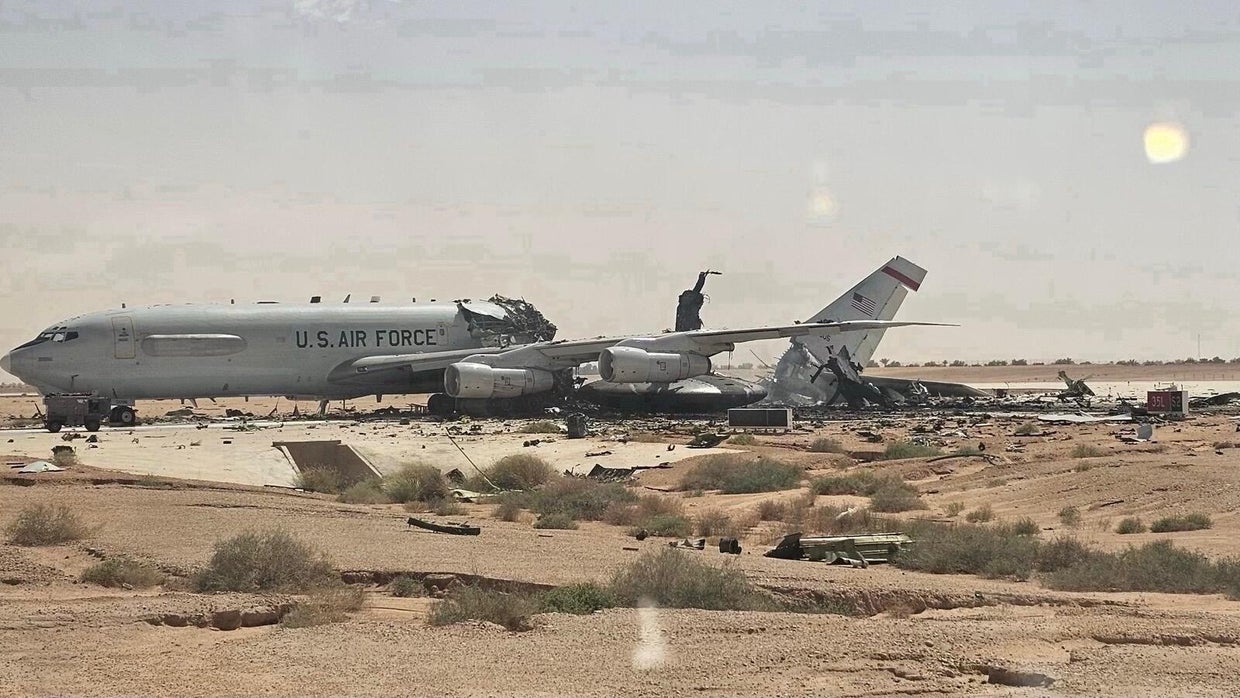
Days later, more than 200 wounded Americans appeared in the database over a single weekend. We counted 624 wounded by late July. The Post now reports more than 820 — many with brain injuries from Iranian strikes on U.S. bases.
The Post found two more deaths that don't show up by name either. Both were service members who died on bases in the region that Iran has attacked, on missions the Pentagon says had nothing to do with the Iran war:
- Sgt. Devin Seibel died in a training accident in Irbil, Iraq, on May 31. The Pentagon's own announcement said he was part of the fight against ISIS. His name isn't in the database's count for that mission.
- Maj. Sorffly Davius had a medical emergency in Kuwait and died on March 6. The Post says it's unclear whether his death was tied to an Iranian attack.
A Pentagon that won't take questions
It fits a pattern. By July, CNN reported, the Pentagon had gone two and a half months without a single press briefing — the last one was May 5. Hegseth had pushed the press corps out of the building. When CNN asked about it, the Pentagon's chief spokesman said questions from "Fake News reporters do very little to inform the public at all."
Last week the Pentagon's press room was used for Logan Paul to tell troops that touring the Pentagon was "a cool experience," and for Jake Paul to tell them, "Each of you matter."
The troops do matter. That's the point. The ones who died deserve to be counted.
Deputy press secretary Joel Valdez said in a statement quoted by Task & Purpose that the department was "proud to host" the brothers, who "toured the building, paid their respects at our 9/11 memorial, thanked our service members, and briefly met with Secretary Hegseth." Both brothers have long ties to Trump. Logan hosted him on his podcast in 2024.
The visit was mocked almost at once. Former Republican Rep. Adam Kinzinger wrote, "We aren't a serious country at the moment." The Atlantic's Tom Nichols, pointing to the war, wrote: "The Iranians are terrified."
What the war is costing
Here's what the people running this war would rather you not dwell on:
- The money. According to a document the Post reviewed, U.S. Central Command estimates the war cost about $43.6 billion through early September. That includes $28 billion in bombs and missiles fired — and doesn't count the damage to U.S. bases. We've reported how the war has left the U.S. short of weapons.
- The warnings. The Post reported last month that several top military officials warned Hegseth that keeping up big operations against Iran can't be sustained, and risks weakening America's ability to deal with threats elsewhere — including at home.
- The public. A September Reuters-Ipsos poll found just 28% of Americans support Trump's approach to Iran. 62% disapprove.
The Speaker let him off the hook the same day
On Tuesday, September 15, the House voted 220 to 204 to end the war. A record seven Republicans joined Democrats. The resolution was symbolic — it doesn't go to Trump's desk.
The same day, Kentucky Republican Thomas Massie filed articles of impeachment against Hegseth, accusing him of waging war without Congress's approval. The way he filed it gave the House two legislative days to act on it.
It never did. House Speaker Mike Johnson canceled the House's Thursday session and sent members home — Thursday, September 17, was the day a vote could have been forced. It was the same day Hegseth was posing with the Paul brothers. The House isn't due back until after the election.
Johnson called Massie's effort to impeach Hegseth "a stunt." He also said, according to the Associated Press, that "Secretary Hegseth has done an extraordinary job at the Department of War."
Democrats are trying to fix the counting problem themselves. The Post reports that Reps. Pat Ryan and Jason Crow and 10 other House Democrats — all military veterans — are pushing a bill to stop the Pentagon from manipulating data on troop casualties. Sen. Tammy Duckworth has filed the same bill in the Senate with 17 other Democrats.
What the record shows
Five U.S. officials told The Washington Post that at least 22 American service members have died in the Middle East since Trump's Iran war began — four more than the Pentagon's public count of 18 — and the Pentagon declined to explain the gap or say who they were. The day before POW/MIA Recognition Day, Pete Hegseth hosted Jake and Logan Paul in the press room of a Pentagon that, as of July, hadn't held a press briefing since May 5. That was the day Mike Johnson had canceled, sending the House home before Thomas Massie could force a vote on impeaching Hegseth, and said Hegseth has done "an extraordinary job."
Sources
- "More U.S. troops have died amid Iran war than Pentagon has disclosed publicly," by Noah Robertson, Tara Copp, Warren P. Strobel and Alex Horton, The Washington Post, September 18, 2026 (archived copy).
- "Hegseth mocked for having Jake and Logan Paul give motivational speech at the Pentagon," by Owen Scott, The Independent, September 21, 2026. Photo: Jake Paul, Pete Hegseth and Logan Paul at the Pentagon / Department of Defense (X/@DeptofWar), via The Independent.