Stopping fentanyl and cracking down on the border have been sold to Americans as the same job — secure the border, and the pills stop coming.
Last week, the Department of Homeland Security's own Inspector General published a report on what actually happened when the crackdown arrived.
Fentanyl seizures dropped 39% in fiscal 2025 — the budget year that ran from October 2024 through September 2025.
Not because there was less fentanyl. Because the agents who chase it were reassigned to immigration.
The numbers in the report
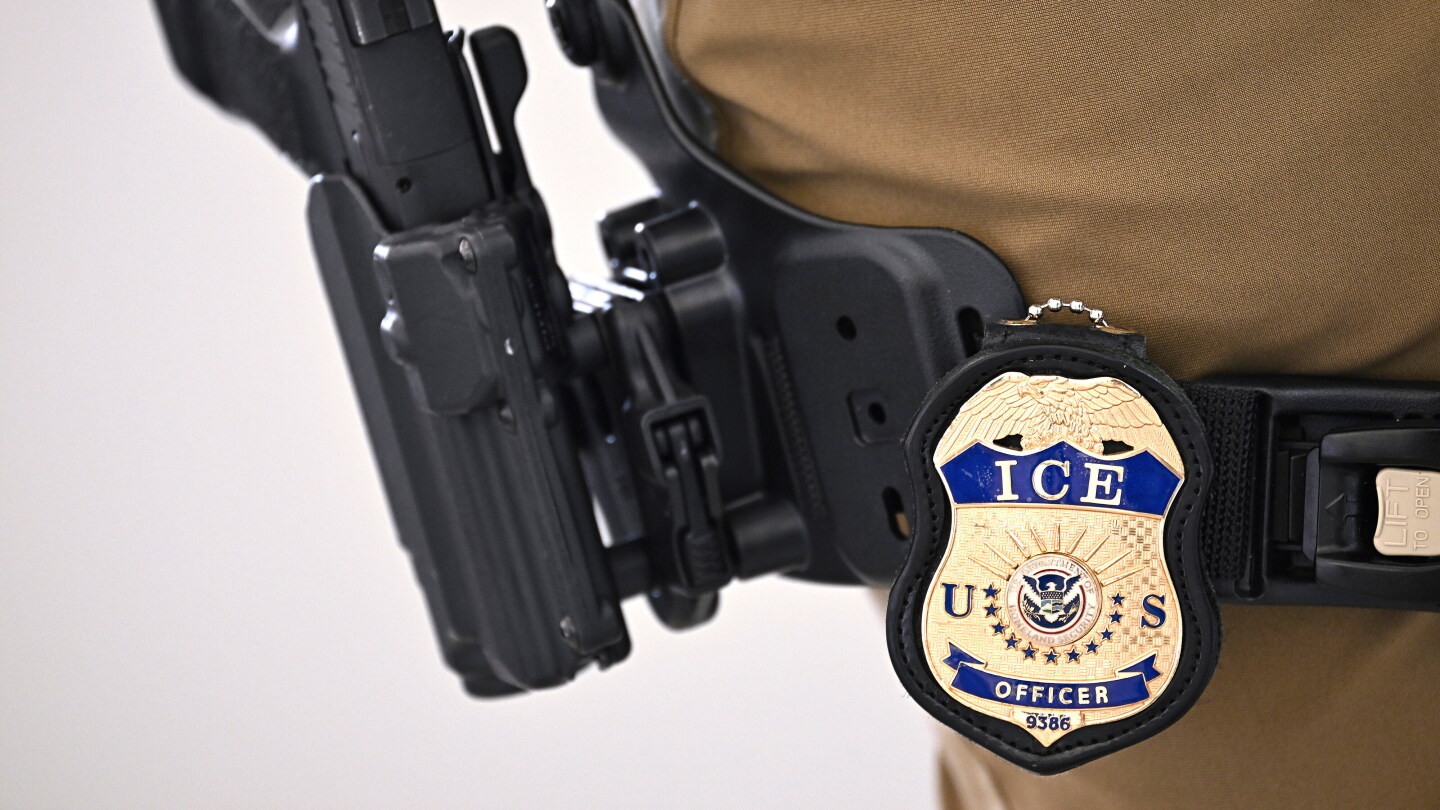
Homeland Security Investigations — HSI — is the part of ICE that runs criminal investigations. It's the unit that targets smuggling routes, finds the labs, and works with local police to take down trafficking operations. The Inspector General calls its role in disrupting fentanyl supplies into the country "pivotal."
Investigators interviewed more than 100 agents and officials, including agents at 11 HSI field offices. Here is what they found:
- Agents reported an "all hands-on deck" environment for immigration enforcement starting in January 2025.
- Hours spent on fentanyl investigations fell by more than 250,000 hours — about a 31% drop in fiscal 2025 compared to the year before.
- Over the same period, immigration enforcement hours rose more than 1.7 million — over 800%.
- At one HSI office, roughly 99% of the work was immigration. There was almost nothing left for fentanyl.
- One drug investigation team went from seven agents down to "two to three." The rest were moved to immigration cases.
"With ICE dedicating more staff hours to immigration investigations, staffing hours for fentanyl investigations declined," the report says.
That is not an opposition talking point. That is the Department of Homeland Security's watchdog, describing the Department of Homeland Security.
ICE did not dispute it
This is the part that closes off the usual escape route.
Inspector General reports go to the agency for comment before they're published. Agencies push back all the time. This time, ICE agreed with the recommendations.
"Homeland Security Investigations will review staffing levels, and determine and implement next steps, as needed, to ensure an appropriate level of coverage commensurate with the relative priority of fentanyl investigations," ICE wrote.
So nobody is arguing about whether it happened.
ICE did say when it expects to finish that review: June 2027.
Another ten months. Illicit fentanyl is a main driver of the overdose crisis in the United States, and the agency's answer to a 39% collapse in seizures is a staffing study due after the next midterms.
What else the watchdog found broken
The staffing shift wasn't the only problem. The report also found HSI's fentanyl work was hindered by:
- Limits in the technology agents and analysts were using.
- Delays in getting money agents need to buy information and evidence — including the drugs themselves — during an investigation.
- No independent authority to investigate fentanyl-related offenses on their own.
- Low and inconsistent referrals of fentanyl cases from Customs and Border Protection over to HSI.
Read that last one next to the political message. CBP is the border agency. HSI is the investigative one. The border agency was not reliably handing fentanyl cases to the investigators.
The trade nobody was asked about
Here is what was actually chosen, in the government's own accounting.
Gave up: 250,000 hours of fentanyl investigation. A 39% drop in seizures. A seven-person drug team cut to two or three.
Bought: 1.7 million additional hours of immigration enforcement.
Nobody put that trade on a ballot. It was never described to voters as a trade at all. The pitch was that immigration enforcement is fentanyl enforcement — that they were the same fight, funded by the same dollars, aimed at the same people.
The Inspector General has now measured it. They compete for the same agents, and one of them lost.
The gap between the campaign and the record
This is a pattern worth naming, because it keeps showing up one Republican at a time.
Vivek Ramaswamy campaigned on ending Ohio's fentanyl epidemic — and his family's bodyguard pleaded guilty to trafficking it out of a house in Bellefontaine. Jim Desmond watched fentanyl deaths in San Diego County rise 2,375% and then voted against the harm-reduction program built to stop them, saying giving out needles still had the appearance of promoting drug abuse. Steve Womack built a record blaming the border for drugs and demanding tough action — then thanked Trump for commuting his meth-dealing son's eight-year sentence.
Fentanyl is the thing everybody says they're going to fix. It is also, reliably, the thing that gets traded away first when it collides with something a politician wants more.
The short version
The administration moved agents off fentanyl investigations and onto immigration enforcement, and fentanyl seizures fell 39%. Its own Inspector General documented it, ICE did not dispute it, and the fix ICE committed to is a staffing review due in June 2027.
Source
Ariana Figueroa, "Fentanyl seizures plummeted as Trump administration shifted focus to immigration", States Newsroom DC Bureau, published by the Wisconsin Examiner, August 24, 2026. Photo by Heather Diehl / Getty Images.
Primary document: DHS Office of Inspector General, ICE Homeland Security Investigations Hindered in Countering Fentanyl Entering the United States, OIG-26-23, August 20, 2026.