In 2023, the Pentagon's own suicide-prevention committee looked at why so many service members were killing themselves and came back with a number that framed everything else.
66% of active-duty suicides involve a firearm. For reservists it's 72%. For the National Guard, 78%.
Those figures come from the Defense Department's Suicide Prevention and Response Independent Review Committee, which delivered its findings on February 24, 2023. Its recommendations followed directly from them: a seven-day waiting period on any firearm bought on Defense Department property and a four-day wait on ammunition, raising the minimum age for buying either to 25, and restricting privately owned firearms in barracks and dorms.
One of its members, Dr. Craig Bryan, put the goal to reporters as simply as it can be put: "the motive behind this really is to, in essence, slow down access to firearms."
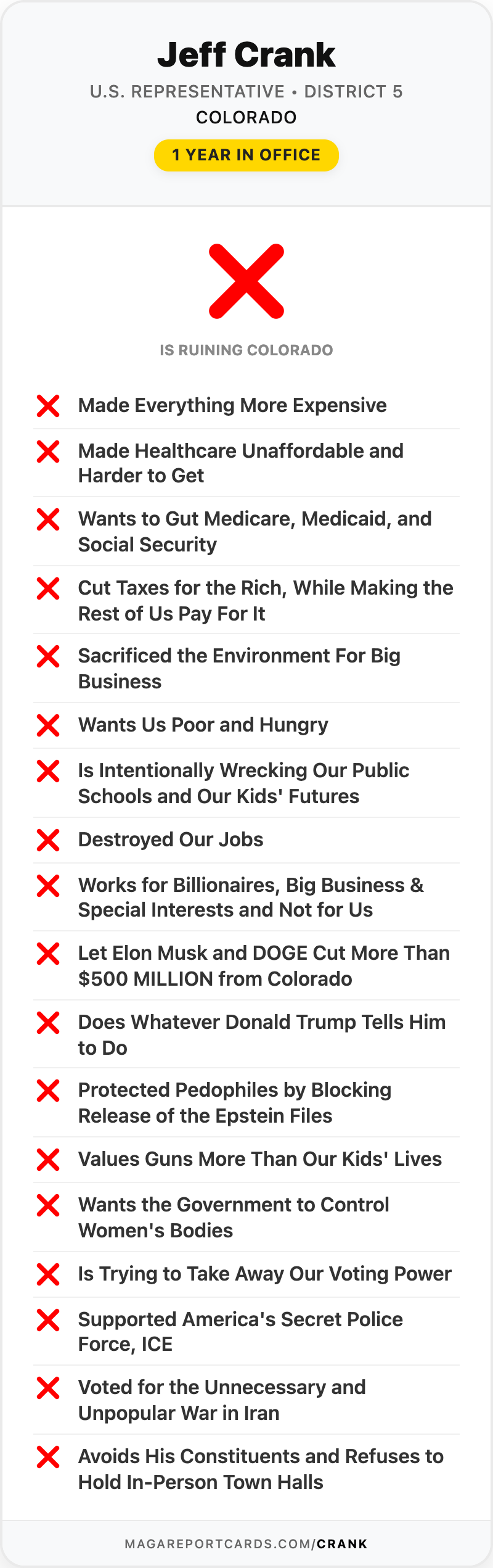
On May 7, 2026, Jeff Crank introduced a bill to speed it up.
What the Bill Does
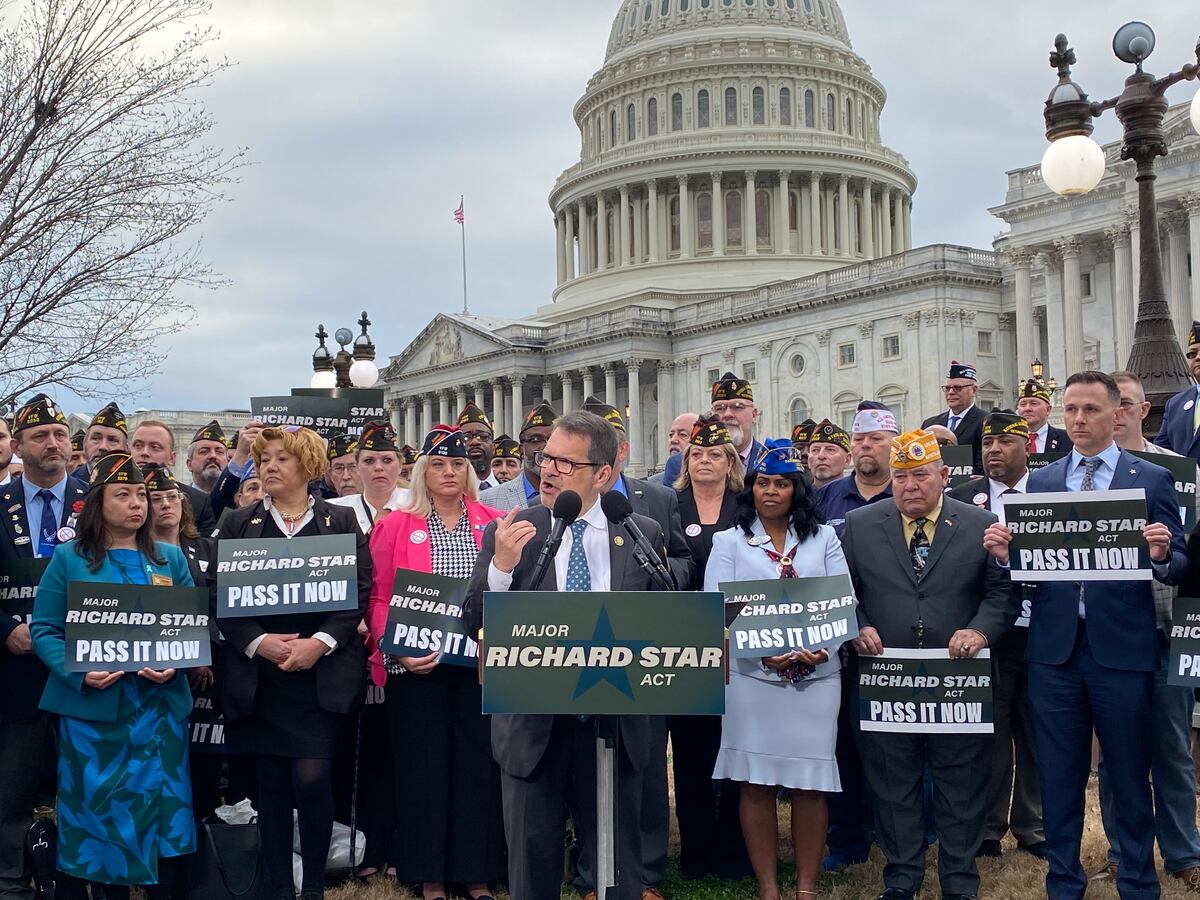
Crank's Armed Forces Carry Rights Protection Act of 2026 (H.R. 8680) amends the 2016 defense authorization law, which currently tells the Secretary of Defense to set up a process for deciding when a service member may carry a personal firearm on an installation.
Crank's bill adds this:
"there shall be a rebuttable presumption in favor of authorizing a member to carry a firearm owned by such member while the member — (1) is on the installation, center, or facility; and (2) is not performing duty at such installation, center, or facility."
And if a commander says no, the bill requires the denial to be "in writing" with "an objective, clearly describable, and individualized basis."
Flip that around and read it from a base commander's chair. Today, if you have concerns about a soldier carrying a personal weapon, you decline. Under Crank's bill, the default is yes, and saying no means putting your reasoning about a specific individual on paper — a document that soldier can then contest, and that will exist forever if you're wrong in either direction.
The bill doesn't ban commanders from saying no. It makes saying no cost something, every single time, in a system where the safest calls are often the quiet ones.
He Is Making a Temporary Policy Permanent
The bill didn't come out of nowhere. On April 2, 2026, Defense Secretary Pete Hegseth issued a memo telling base commanders to allow personal firearms on installations "with the presumption that it is necessary for personal protection," with denials required in writing.
Before that, service members generally could not carry personal weapons on base without permission from a senior commander, and firearms were stored securely — typically checked out only for hunting or an authorized range.
A memo can be reversed by the next Secretary of Defense. A statute can't. Crank's bill takes Hegseth's month-old directive and welds it into permanent law.
Tanya Schardt, senior counsel at the gun violence prevention group Brady, noted that most active-duty service members who die by suicide do so with a weapon they own personally, not one military-issued, and argued that there would "undoubtedly be an increase in gun suicide and other gun violence."
He Sits on the Subcommittee That Handles This
Crank isn't a bystander to military suicide policy. He serves on the House Armed Services Committee, and specifically on its Subcommittee on Military Personnel — the panel whose published jurisdiction covers military health care and "Morale, Welfare and Recreation."
That's the subcommittee where the Pentagon's suicide report lands. It's where the recommendations either become law or don't.
Three years after the Defense Department's own experts recommended slowing access to firearms on base, the bill this member of that subcommittee chose to write does the reverse.
What This Means at Home
Crank represents Colorado Springs, a military town. The Pikes Peak region is home to roughly 45,000 active-duty, Guard, and Reserve members plus about 90,000 veterans and retirees, and the aerospace and defense sector makes up more than 40% of the local economy.
Those are the people this bill is about. The 66% figure isn't a national abstraction to CO-05 — it's a description of the risk profile of tens of thousands of Crank's own constituents.
Colorado already has a gun death rate of about 15.3 per 100,000 people, 19.5% above the national rate — 961 Coloradans died from gun-related injuries in 2024.
Why "Slow It Down" Is the Whole Strategy
The reason the Pentagon's committee focused on waiting periods and storage instead of counseling alone is that suicide is often a decision made in a very short window. Put time and a locked container between the impulse and the weapon, and a meaningful share of people never reach the second step.
That's not a political theory. It's why the Defense Department's own review — produced by outside experts the Pentagon brought in specifically to solve this problem — put access to firearms at the center of the answer.
You can support the Second Amendment and still think a barracks at 2 a.m. is a place where the default should be "secure the weapon." Those aren't in tension. Storage rules on a military installation aren't gun confiscation; they're the same logic as taking someone's keys.
Crank's bill sets the default the other way, permanently, and tells the officer who wants to intervene to write up his reasons first.
The Question He Won't Take in Person
If a Gold Star parent in Colorado Springs wanted to ask Crank why he wrote this bill, they'd have to find him first.
Crank held his first town hall online rather than in a room with constituents. "Why do they want to have an in-person town hall meeting?" he said on a Zoom call from the Capitol that morning. "So they can stand there and wave a cane in my face like Al Green did last night and steal the show? I'm not interested in doing that. I'm interested in having a civil discussion about the issues and taking questions from constituents." When Colorado Springs residents held one anyway, they set a cardboard cutout of him on the stage.
The families who would have the most to say about this bill are exactly the ones who never get the microphone.
Sources
The text of H.R. 8680, the Armed Forces Carry Rights Protection Act of 2026; the final report of the Suicide Prevention and Response Independent Review Committee, February 24, 2023; and CBS News, "Slowing down access to firearms could prevent more suicides in the military, panel finds".