Nick Begich has one main argument for why Alaskans should accept higher prices at the store: the tariffs causing them will bring jobs and factories back to America.
He told Alaska Public Media that tariffs were needed to restore American manufacturing. In June 2025 he opened a thread on X with "Tariff-driven inflation hasn't materialized" and argued that while in "a perfect vacuum" tariffs "would likely result in a one-time bump in inflation," in the real world they had "thus far resulted in lower inflation and unparalleled domestic investment."
Before he was elected to Congress in 2024, Begich was the CEO of an Anchorage information technology company called FarShore. It made him millions.
In 2022, the Alaska Dispatch News asked him about it. Here is what they found:
"The company grew to be worth millions, with around 150 employees. Most of them are in India and Croatia, and none of them are in Alaska."
The reporter asked Begich whether he had any concerns about creating jobs in other countries — noting that his payroll included no Alaskans but himself.
His answer:
"We have to recognize we live in a global world, right? … I think we do well to remember that here in Alaska we're part of a global community."
That was Nick Begich explaining why a 150-person payroll with no Alaskan on it but his own was fine. Four years later he is explaining why Alaskans should pay more at the grocery store so that jobs come back.
He's Voted Seven Times to Keep the Tariffs
This isn't a matter of a stray comment on cable news. Begich has voted seven separate times to block bipartisan efforts to repeal Trump's tariffs.
The clearest example came this February. On Wednesday, February 11, 2026, the House voted 219–211 to end Trump's national emergency at the Canadian border and end the tariffs on Canadian goods. Alaska Beacon's headline said it plainly: "As U.S. House votes to end Canadian tariffs, Alaska's Begich seeks to extend them."
Alaska's own delegation split. The Senate had already passed a separate measure to end the markup on Canadian goods: Sen. Lisa Murkowski voted to end the tariffs, Sen. Dan Sullivan voted to keep them. Begich voted to keep them.
Asked about the vote, his office gave the Beacon a written statement:
"My priority is ensuring that Alaska's fishermen, energy producers, and manufacturers are not disadvantaged in international trade negotiations. Like any tool in trade policy, tariffs are most effective when used strategically to strengthen domestic industries and secure a level playing field for our producers."
What That Means for Alaska's Fishermen
Begich named Alaska's fishermen as his priority. So let's check on them.
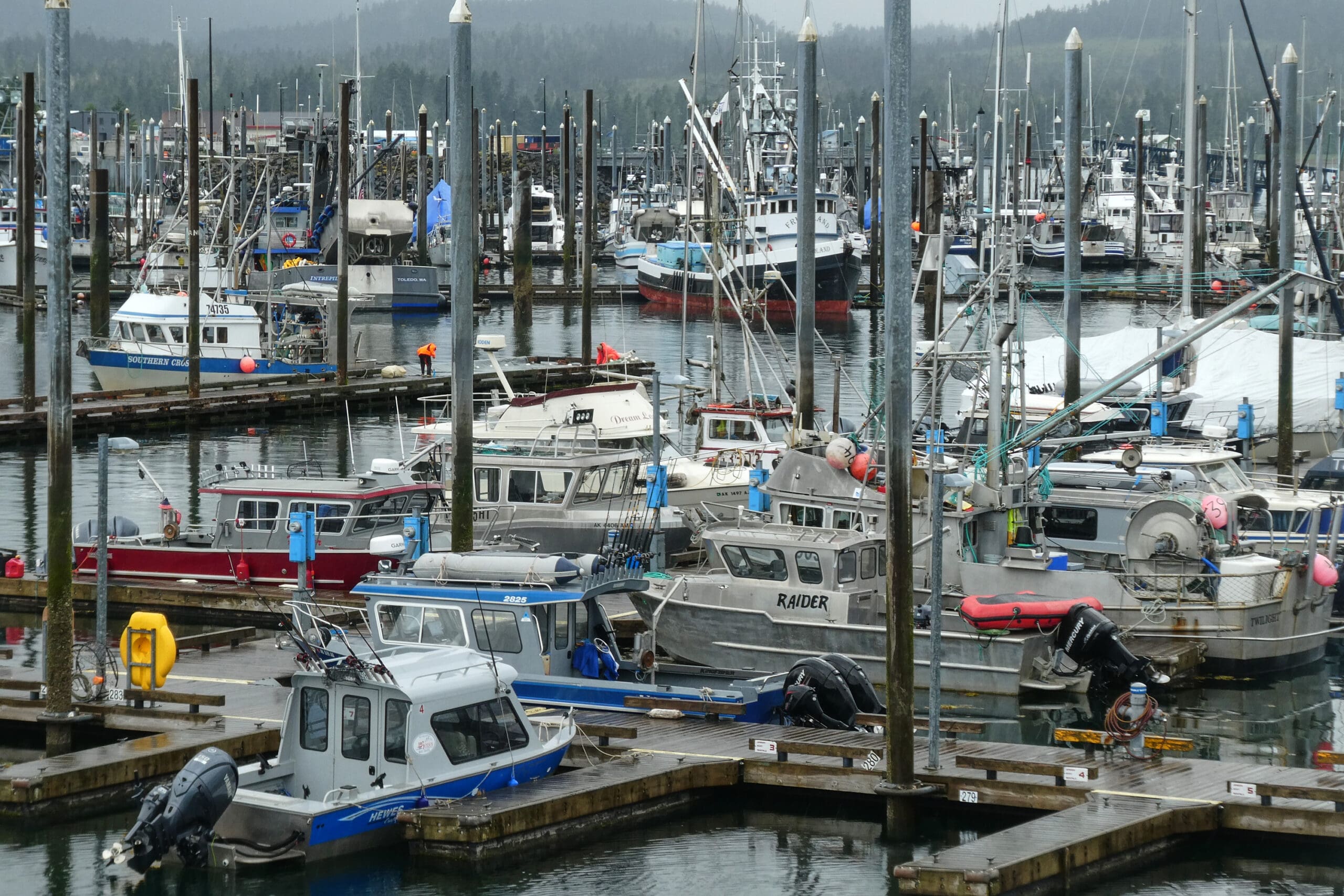
Alaska's seafood industry employs nearly 70,000 people and generates over $5 billion a year, and its supply chain runs straight through the tariffs. Over half of Alaska's fish is sent to China, where the pin bones are removed by cheap labor, then re-imported to the United States for sale. Must Read Alaska warned as the 2025 season opened that the tariffs would increase the cost of processing, which would be passed on to consumers and could soften demand for wild Alaska salmon.
Bringing the work home is no bargain either. Processing fillets and removing pin bones is labor-intensive, and doing it in Alaska costs far more than the near-forced labor China uses. The tariff doesn't make the fish cheaper. It makes it more expensive.
Sen. Murkowski warned about exactly this, telling reporters that tariffs could hit hard for Alaska's fishing and mining sectors.
The Bill Every Alaska Household Is Paying
A tariff is a tax on imported goods, and it's paid by the American importer — who passes it to you at the register.
The nonpartisan Tax Foundation calculated that the tariffs worked out to an average tax increase of about $1,000 per American household last year.
In Alaska, where nearly everything on a store shelf arrived by barge or plane, that math is not kinder. It's harsher.
Begich told Alaskans the tariffs had "thus far resulted in lower inflation and unparalleled domestic investment." The bill came anyway.
The Pattern
There is a consistent shape to how Begich handles the gap between what's good for Nick Begich and what's good for Alaska.
- He owns up to $1 million in Bitcoin — and wrote the bill making the government buy a national stockpile of it.
- He wrote a Marine Mammal Protection Act rewrite that Alaska Federation of Natives delegates voted to oppose.
- He held an invitation-only rally with the House Speaker — photo ID at the door, no press allowed, protesters outside.
When Begich built his own company, "we live in a global world" was a good enough reason to hire around 150 people everywhere except Alaska. Now that he's voting on your grocery bill, the global world is the problem, and you're the one being asked to pay to fix it.
He got the millions. Alaskans got the receipt.
Source
- Nick Begich defended tariffs and outsourced jobs — Jesse Valentine, American Journal News, August 17, 2026.