This week the Senate did something it almost never does: it agreed. On Monday, senators passed a big bipartisan housing bill by a vote of 85 to 5. Republicans and Democrats both backed it. Even President Trump had pushed for the heart of it.
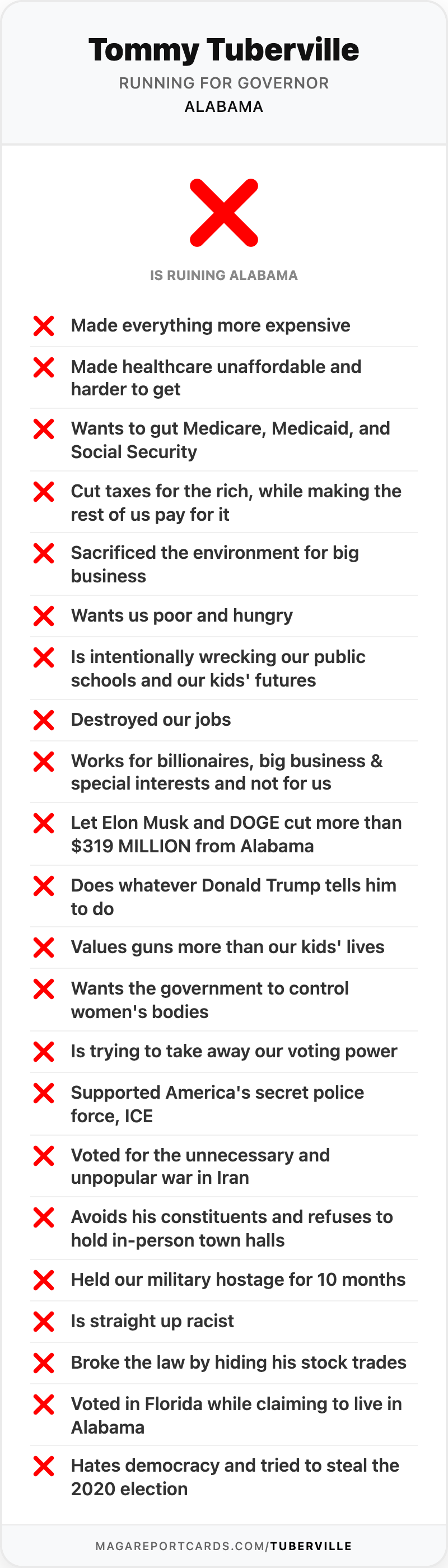
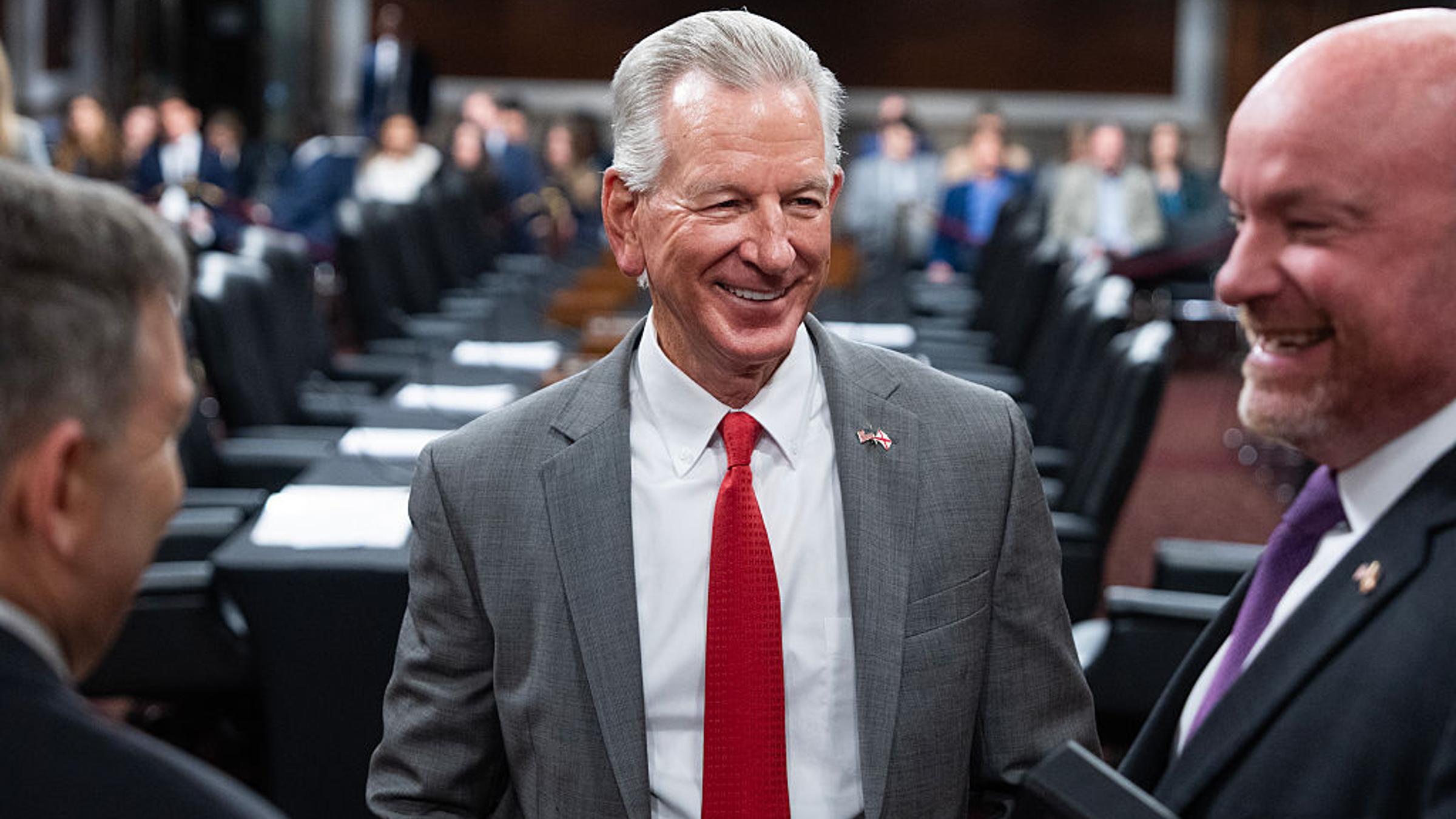
Only five senators voted no. Tommy Tuberville was one of them.
That's a strange vote for a man who keeps telling Alabama he wants to bring down the cost of housing — and who is now running for governor on exactly that kind of promise. So let's look at what he voted against, the reasons he gave, and who he was really protecting.
What the bill actually does
The 21st Century ROAD to Housing Act is aimed at one thing most families care about: making homes easier to build and easier to afford. It sets up funding and grant programs to build new homes, cuts red tape so housing gets approved faster, and hands more control to local governments.
It also does something Wall Street hates. A section literally titled "Homes Are For People, Not Corporations" would stop large institutional investors from buying up single-family homes — the private equity firms that snap up houses by the thousands and price regular families out of the market.
This wasn't some far-left wish list. It was written by Republican Sen. Tim Scott and Democratic Sen. Elizabeth Warren together, and Trump himself had bragged in his State of the Union about banning "large Wall Street investment firms" from buying homes. The Republican chairman who ran it called it a major housing affordability win.
Tuberville said no anyway.
The reasons don't hold up
Tuberville told TIME he's "looking for ways to bring down housing costs for American families. But giving the federal government more control over housing is not the answer." He warned about expanding the housing department and about money going to "blue cities."
Here's the problem. The bill's biggest fight wasn't about big government — it was about getting government out of the way to build more homes, and about stopping giant investors from outbidding families. Even most of his own party agreed it was a win. When 85 senators from both parties and the Republican president all line up behind a bill to lower housing costs, and you're one of five holdouts, "I really care about affordability" starts to sound pretty hollow.
And this wasn't a one-time thing. Tuberville also voted against an earlier version of the bill in March. So he's now had two chances to help lower housing costs, and twice he's taken a pass.
He'd rather pass a voter ID bill than lower your rent
The reason his office gave back in March tells you where his head really is. A spokesman said that "like President Trump," Tuberville thinks the SAVE Act is the "No. 1 priority" and that the Senate shouldn't be "wasting our time on anything else."
The SAVE Act isn't a housing bill. It's a voter ID bill that would make it harder for some Americans to register and vote. Trump even threatened to hold the whole agenda hostage until Congress passed it, which nearly sank the housing bill entirely.
So when Alabama families were waiting on relief from sky-high housing costs, Tuberville's position was: housing can wait, the voter ID bill comes first. That's not a man fighting for your wallet. That's a man taking his marching orders from Trump.
Follow the money
There's another reason a senator might want to protect the big investors this bill goes after. Money.
When the earlier version came up, The Center Square looked at who funds the senators who voted no. Tuberville had received at least $48,650 from real estate investment groups that could be hurt by the bill — including the development firm Jim Wilson & Associates. He wasn't alone; every senator who blocked the bill had taken money from the kinds of investors it would rein in.
That fits a pattern we already know about Tuberville. He ran as an outsider, but his biggest backers have always been big-money groups like Club for Growth, the ultra-wealthy anti-tax lobby that spent millions to put him in office. When the choice comes down to the people who pay for his campaigns or the people who live in Alabama, we keep seeing which side he picks.
Who actually loses
This isn't an argument about Washington process. It's about whether a young couple in Alabama can ever afford a starter home, or whether they keep getting outbid by a hedge fund paying cash.
Housing and the cost of living are the number one thing voters are angry about right now. A June poll found just 33% of Americans approve of how Trump and his party are handling the economy, and nearly 80% say the American Dream is harder to reach than it was a generation ago. This bill was Congress finally doing something real about it — and it passed with overwhelming support from both parties.
Tuberville voted against it. Then he asks Alabama to make him governor so he can fix housing.
The bottom line
The record here is simple:
- A rare bipartisan bill to lower housing costs and stop Wall Street from buying up homes passed the Senate 85 to 5.
- Tommy Tuberville voted no — not once, but both times it came up.
- He said housing should wait behind a voter ID bill, and he's funded by the very investors the bill would have reined in.
You can't run for governor promising to make housing affordable while voting against the biggest housing affordability bill in years. Alabama deserves better.
Source
This post is based on reporting from TIME: "The Five Republican Senators Who Voted Against the Bipartisan Housing Affordability Bill", June 23, 2026, with additional reporting from NBC News and The Center Square.