In November 2022, eight members of the U.S. House flew to Qatar to watch the World Cup. The government of Qatar paid for all of it.
That is legal. The Mutual Educational and Cultural Exchange Act lets members of Congress accept foreign-government-funded travel — the idea being that lawmakers meeting foreign officials is worth something, as long as everyone can see who paid. The whole arrangement rests on that last part. You take the trip, and then you write down on a public form who bought the ticket.
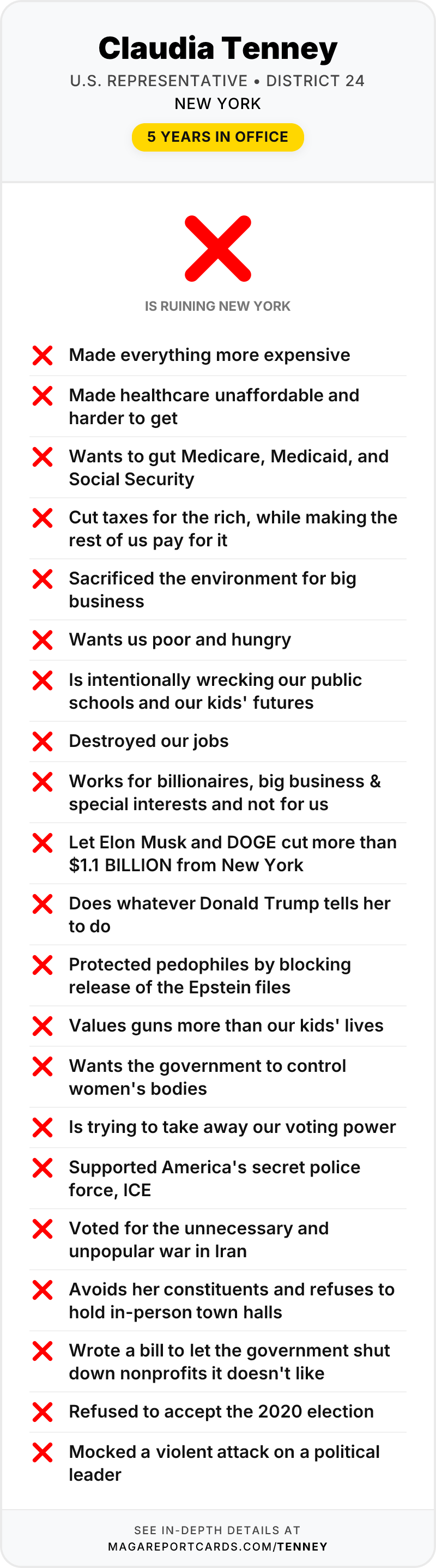
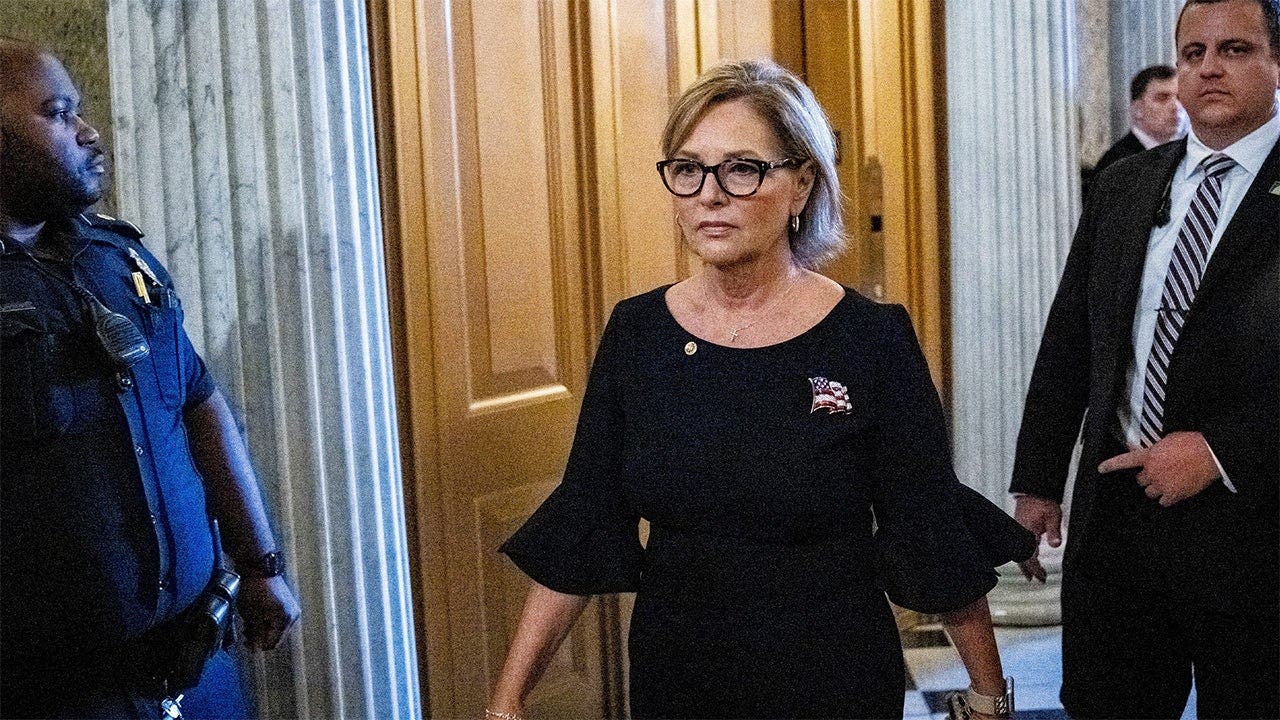
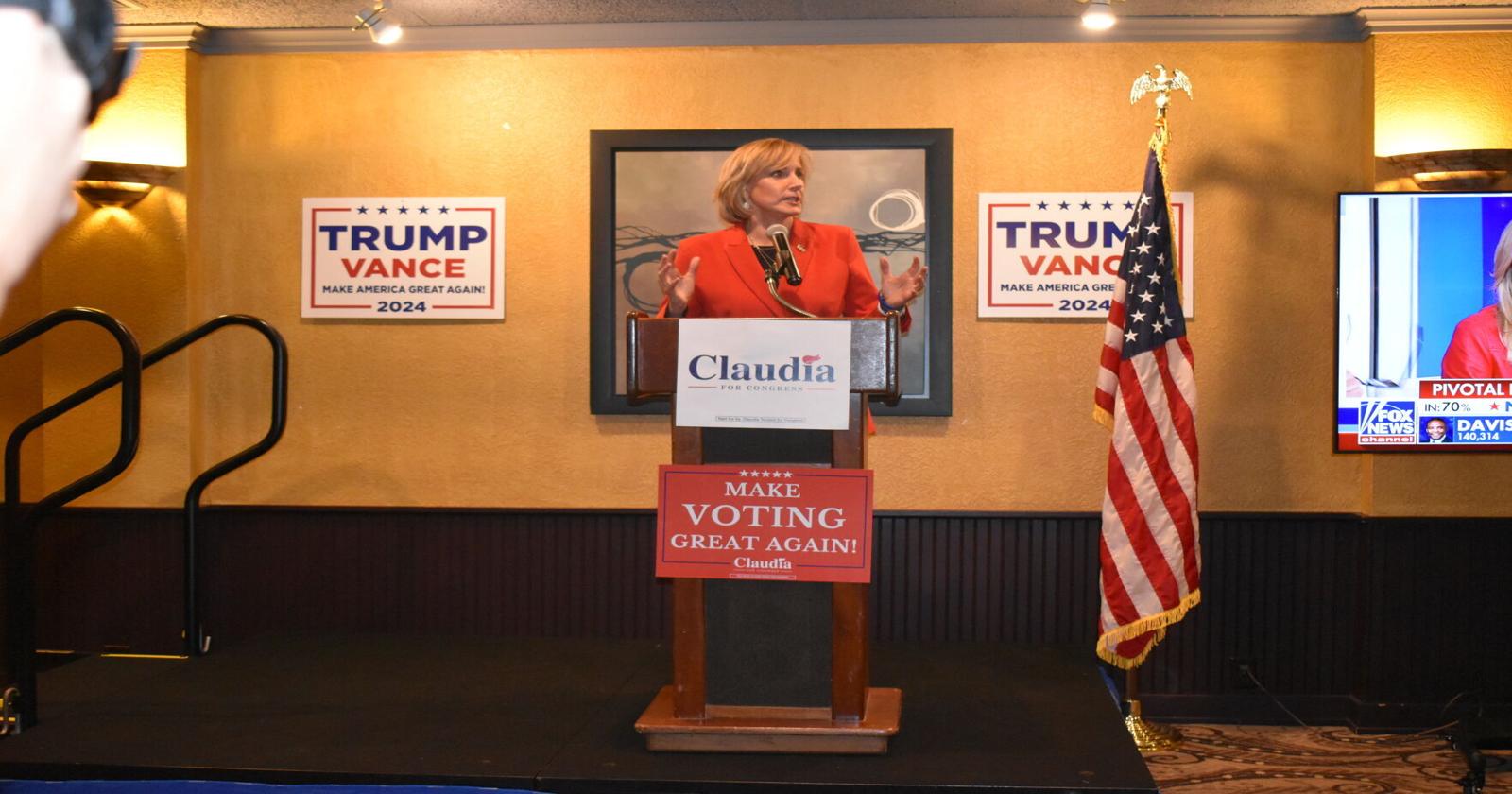
Claudia Tenney took the trip. On the form, she wrote: "Mutual Educational and Cultural Exchange Act (MECEA) Trip."
That is the name of the statute. It is not the name of anybody who paid for anything.
What the other members wrote
The delegation was bipartisan and not small: Tenney, André Carson of Indiana, Lou Correa of California, Darin LaHood of Illinois, Ilhan Omar of Minnesota, Bryan Steil of Wisconsin, Eric Swalwell of California, and David Valadao of California.
Most of them filled out the same box with the actual answer. Their disclosures name Qatar directly — "Government of Qatar," "Embassy of Qatar," "State of Qatar (MECEA)." Steil and Valadao, both Republicans on the same plane, named it.
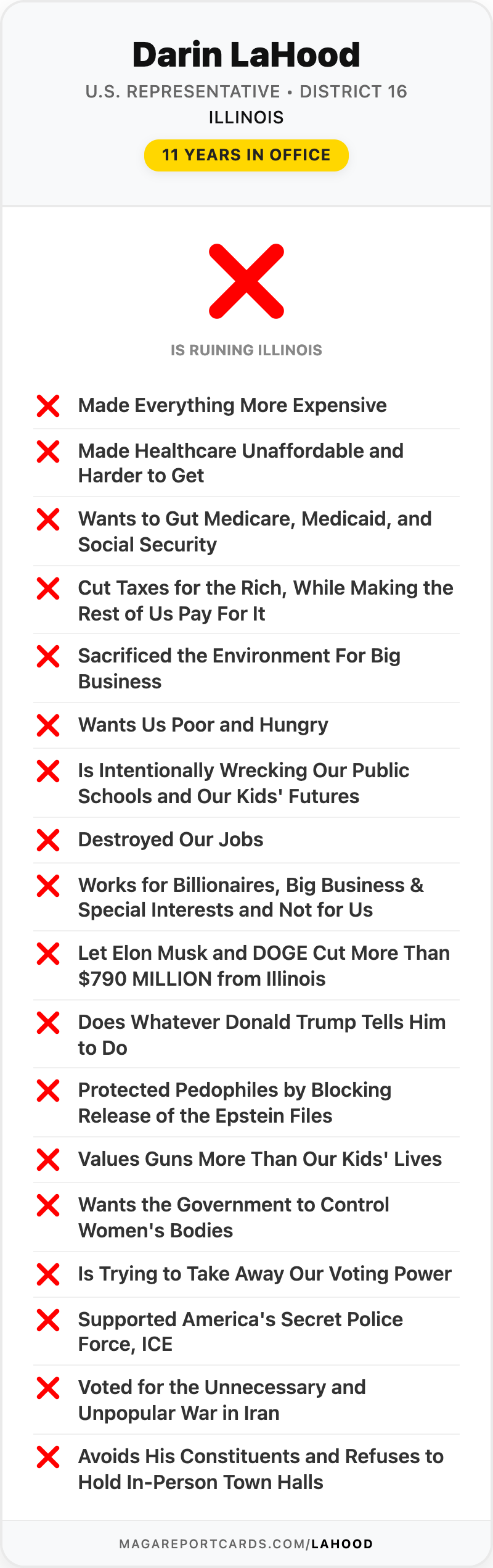
Two members didn't. Tenney listed only the statute. So did LaHood, whose entry reads simply "MECEA."
The House Ethics Committee's instruction is not ambiguous about which answer is correct. Members are told to provide the name of the sponsor or organization that actually paid for or provided the travel — and the Committee spells out that on a MECEA trip, the sponsoring entity is the government of the host country.
Here, the host country was Qatar.
Why naming the country is the whole point of the form
Strip away the acronym and this is simple. A foreign government spent money on eight American lawmakers. The public interest in knowing which foreign government is not a technicality — it is the only reason the disclosure exists.
A member of Congress who accepts a Qatari-funded trip and files a form that never says "Qatar" has satisfied the letter of showing up and defeated the purpose. Anyone searching those filings for the word "Qatar" would find six members. They would not find Tenney or LaHood.
The Daily News reported the discrepancy on August 26, 2026, after Tenney's Democratic opponent in New York's 24th District, Alissa Ellman, raised it.
Tenney's answer
Her spokesperson, Ashlie Walker, did not answer the questions about why the filing named a statute rather than a government. What came back instead was a complaint about the coverage — that the paper was writing about this rather than about what New Yorkers need.
That response is worth reading twice. The question was: why doesn't your disclosure say who paid? The answer was: why are you asking?
Ellman's own framing was that time doesn't erase it. "Does it matter if it was four years ago?" she said. "Four years ago, I think the economic problems were still here in NY-24. There are the same issues…" She said she wouldn't accept that kind of trip if elected, and that she'd rather spend what she earns in Congress in the district — on its hotels, its restaurants, its people.
The pattern this fits
For Tenney, the through-line is who she treats as her audience. She has pushed a bill that would let the Treasury Secretary strip a nonprofit of its tax status without necessarily showing it the evidence, and she proposed making Donald Trump's birthday a federal holiday. Her constituents in NY-24 are not the ones being served by any of it.
For LaHood, the pattern is the same shape in a different key: on the record one way and on the roll call the other. He told Peoria radio in May that the Iran war needed an "off ramp," then voted a month later against the resolution ordering U.S. forces out.
Neither of them broke a law by going to Qatar. What they did was decline to be plainly identifiable, on a public form, as people whose trip a foreign government bought — while six colleagues on the same trip managed it without difficulty.
The bottom line
The government of Qatar paid for eight members of Congress to attend the 2022 World Cup. Six of them named Qatar on the financial disclosure where House rules require members to identify who actually paid for the travel. Claudia Tenney listed only "Mutual Educational and Cultural Exchange Act (MECEA) Trip," and Darin LaHood listed only "MECEA" — the statute that permits foreign-funded travel, not the government that funded it. The House Ethics Committee's own guidance says the sponsor on a MECEA trip is the host country's government. Asked why, Tenney's spokesperson criticized the news outlet for asking.
Source
"Ellman criticizes Tenney for Qatar-funded World Cup trip", The Daily News (Batavia), August 26, 2026.