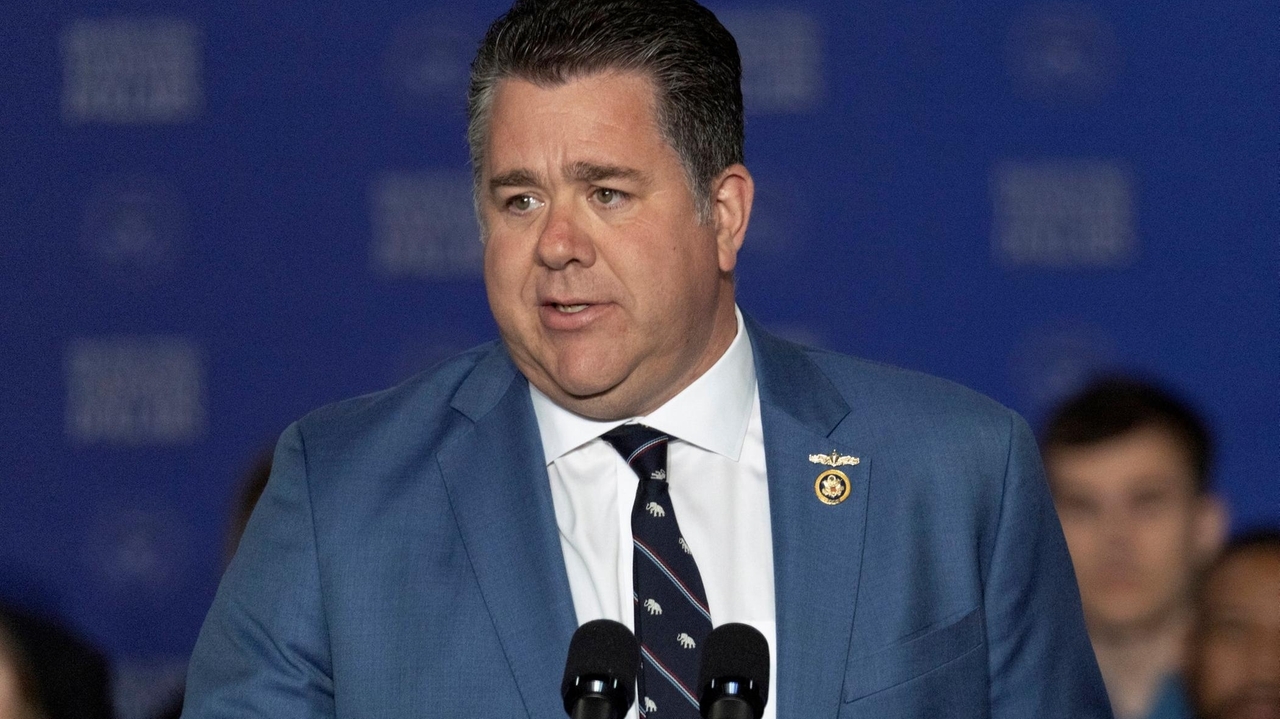
Teachers, firefighters and police officers pay into public pension funds their whole careers. Somebody has to invest that money, and some of the people who decide which Wall Street firm gets the job are elected officials — or people those officials appoint. The firms earn fees for it.
For 16 years, a federal rule has stood between those two groups. If a money manager gives campaign money to an official who helps pick who manages a public fund, that firm can't get paid by that fund for two years. That's called a "pay-to-play" rule: it stops firms from paying politicians for a chance to play with public money.
On September 3, 2026, the Securities and Exchange Commission proposed getting rid of it — the whole rule, plus the recordkeeping that goes with it. The proposal was published in the Federal Register on September 10, and the public can comment until November 9.
What the rule actually does
The SEC adopted the rule in 2010. Under it, a firm that manages money for a state or local government can't be paid for that work for two years after the firm or one of its key people gives to an official "whose office is in a position to influence the award of advisory business," as the SEC's own proposal describes it.
It is not a ban on giving. The rule lets a firm's key people give up to $350 per election to a candidate they can vote for, and up to $150 to one they can't, without setting off the two-year freeze. They can give more — but then the firm can't collect fees from that official's fund for two years.
The stakes are enormous. By the SEC's own count in the proposal, state and local government retirement funds hold $9.6 trillion, and 36 million people depend on them.
Why the SEC wrote it in the first place
The rule came out of real scandals, and the officials at the center of them were sentenced to prison.
In New York, former state Comptroller Alan Hevesi was the sole trustee of the state's pension fund. He pleaded guilty in 2010 to taking nearly $1 million in gifts — including more than $500,000 in campaign contributions — from Elliott Broidy, in exchange for approving $250 million of pension money for Broidy's investment fund. That fund collected about $18 million in management fees from the pension. Broidy pleaded guilty too. Hevesi was sentenced to up to four years in prison, and New York's attorney general said he had "brazenly sold access to New York Pension Fund investments."
In California, Fred Buenrostro ran CalPERS, the state's pension system for public employees. He admitted that a middleman who brought investment firms to CalPERS gave him about $250,000, plus gifts, travel and payment for his wedding, and that in exchange he tried to steer CalPERS staff and its board toward that middleman and his clients. In 2016 a federal judge sentenced him to 54 months in prison, calling it "a spectacular breach of trust for the most venal of purposes."
When the SEC first proposed the rule in 2009, it explained why a simple, bright-line rule was needed instead of chasing bribery cases one at a time. It wrote that "pay to play practices are rarely explicit" — nobody announces that a donation is buying a contract — and that because they are hard to prove, a rule that prevents them up front is "particularly appropriate."
The SEC's case for scrapping it: "political speech"
SEC Chairman Paul Atkins says the rule has gone too far. In his statement, he argued that many firms simply ban their employees from making political contributions rather than figure out the rule, and that this "has effectively resulted in the suppression of political speech."
"People should not have to choose between their political speech rights and a job in a particular industry," Atkins said. He added that political money is "more properly governed by local ordinances, state laws, and federal election regulations—not by the SEC," and that getting rid of the rule "would not open the door to fraud."
Commissioner Hester Peirce said she was "thrilled" the SEC was eliminating the rule rather than fixing it, because it "always has bothered my First Amendment sensibilities." She also asked whether the similar rules covering municipal bond dealers and the brokers who pitch money managers to governments should be scrapped too.
The Investment Adviser Association welcomed the proposal.
The SEC's own documents make the case against it
Here's what the people pushing the repeal wrote in the same documents.
Commissioner Mark Uyeda, who backs the repeal, wrote near the top of his statement that picking a money manager in exchange for campaign money "can distort municipal investment priorities and mean that public pension plans and their beneficiaries receive sub-par advisory performance at a premium price." Worse service, higher fees, for the retirees.
The proposal itself goes further. It says pay-to-play schemes "transfer wealth from taxpayers and fund beneficiaries to investment advisers and government officials responsible for selecting them," and "can result in higher fees and lower performance for pension funds."
It also cites research finding that campaign donations from financial firms "are associated with an increased likelihood of winning government contracts, including from government pensions." One study it cites estimated that each dollar given to a campaign was associated with a $400 increase in government contract revenue — measured across all government contracts, the SEC notes, not just money management.
One of the proposal's arguments that the rule isn't needed cuts both ways. It points out that since the rule took effect, the SEC hasn't brought the kind of pay-to-play fraud cases it brought in the 2000s. But the same page concedes "it is possible that the political contributions rule has had some deterrent effect" — in other words, the quiet may be the rule doing its job.
The SEC's answer is that other laws against fraud still apply. But in 2009 the SEC itself said pay-to-play deals are "rarely explicit" and hard to prove — which is why it wrote a rule to stop them before they happen instead of waiting to prosecute them.
Nobody on the commission is arguing the other side
The SEC is built to have five commissioners, with no more than three from the same party, so two seats are reserved for the other party. Right now it has three: Atkins, Peirce and Uyeda. Eleven Senate Democrats wrote to the White House in June that the two seats Congress set aside for the minority party remain open, and that "President Trump has made no apparent effort to nominate Democrats."
So a rule written to protect the retirement money of 36 million people from campaign-cash deals is being taken apart by a commission with no minority-party members on it. All three commissioners put out statements supporting the proposal.
This isn't the only Wall Street watchdog Republicans are trying to weaken. In June, Ann Wagner introduced a bill that would abolish the accounting watchdog created after Enron and cut the SEC's fines.
What the record shows
On September 3, 2026, the SEC under Chairman Paul Atkins proposed scrapping the 2010 rule that stops Wall Street money managers from being paid by a public pension fund for two years after giving campaign money to the officials who choose them. The rule was written after pay-to-play scandals at New York's and California's pension funds, and officials at the center of both were sentenced to prison for trading pension business for campaign cash, gifts and bribes. The SEC's own proposal admits these schemes move money from taxpayers and retirees to money managers and politicians, and that the rule may be why the cases stopped — yet the three sitting commissioners, with both minority-party seats empty, all back ending it. Public comments are open until November 9, 2026, on the SEC's comment page.
Source
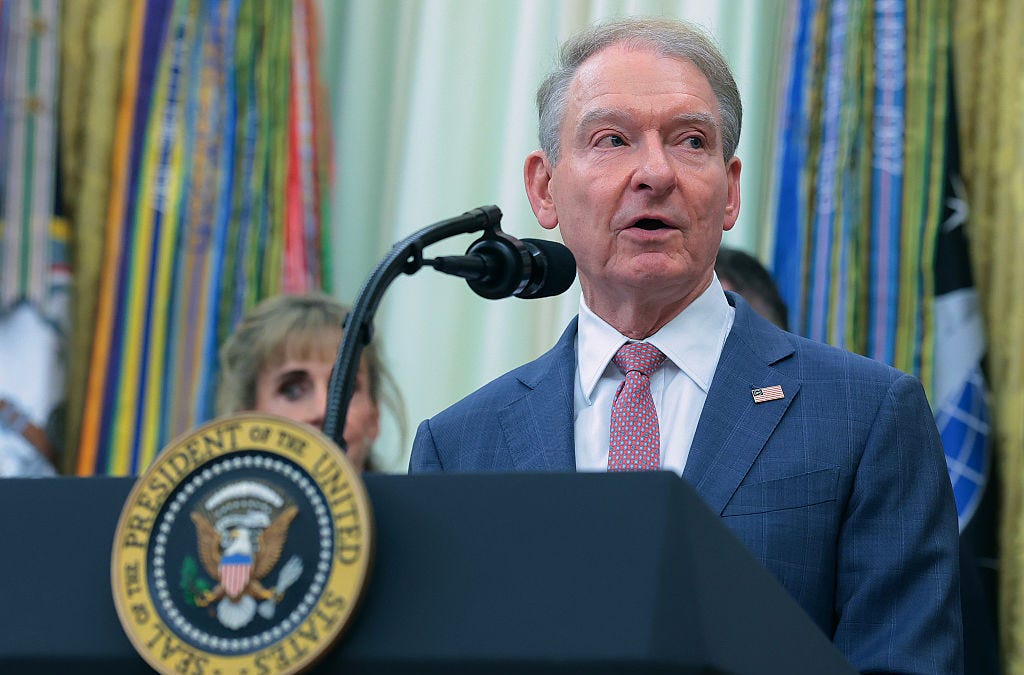
Making pensions corrupt again — Popular Information, September 17, 2026. Photo: SEC Chairman Paul Atkins in the Oval Office (Anna Moneymaker/Getty Images), via Popular Information.