On June 9, 2026, the House voted to put $70 billion into the Department of Homeland Security, Customs and Border Protection, and ICE. It passed by two votes.
On September 17, 2026, Maria Elvira Salazar released a campaign ad, filmed in front of the White House, telling the President that his immigration enforcement had gone too far.
Both of those things are true. Only one of them was a vote.
What the ad says
The ad is short and the lines are direct. Salazar, speaking to the camera, addresses Trump personally:
"Mr. President, some of your immigration enforcement efforts have gone too far."
"The same Hispanics who helped you get to the White House in 2024 feel betrayed today."
It was a striking thing for a member of Trump's own party to put on television weeks before a midterm, and it got national coverage for exactly that reason.
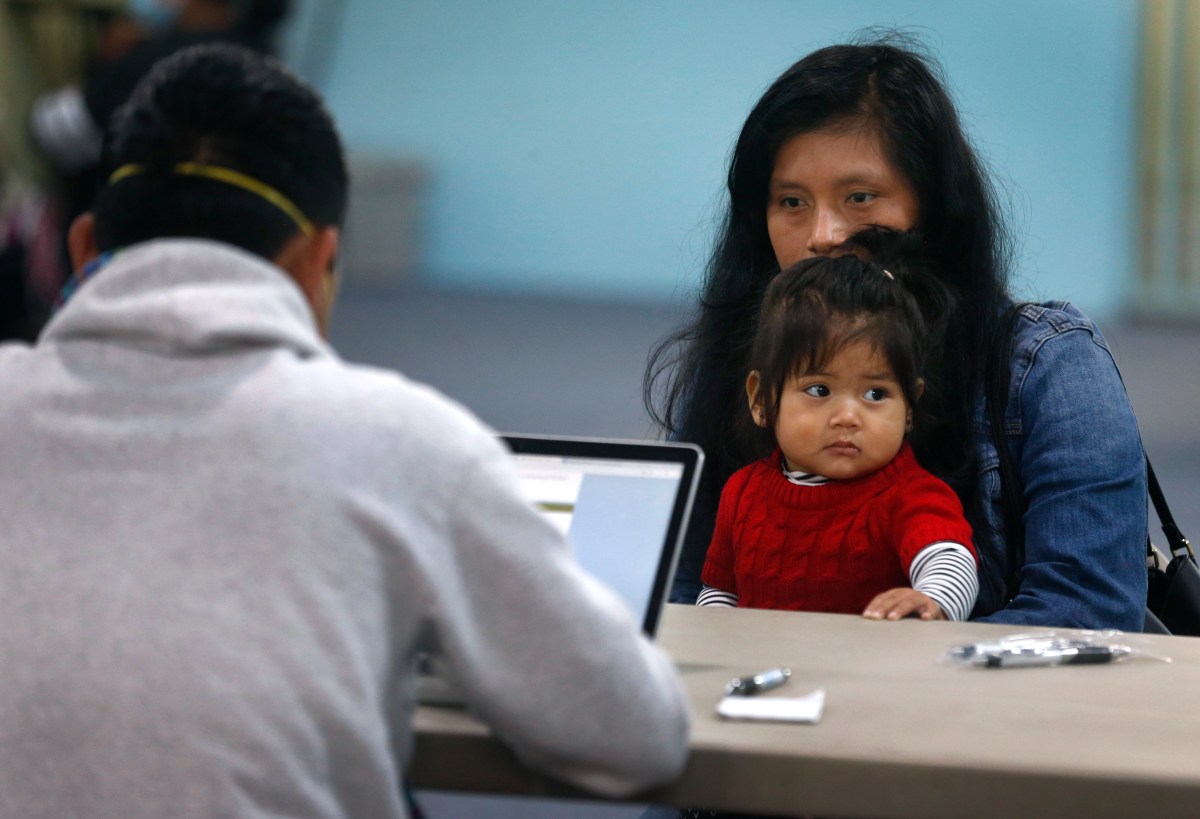
Her district is why. Salazar represents Florida's 27th, in Miami-Dade County — a seat Spectrum News describes as roughly three-quarters Hispanic, and one she won by about 20 points in 2024. Her constituents are living inside the enforcement operation she is now describing as excessive.
What she did in June
Three months before that ad, the House passed S. 2.
The bill put $70 billion into DHS, CBP and ICE through fiscal year 2029 — money for ICE hiring, transportation, facility and fleet maintenance, 287(g) agreements that deputize local police as immigration agents, and, in the law's own summary language, "operations by ICE to arrest certain unlawful aliens."
Salazar voted yes.
The margin matters more than usual here. The bill passed by two votes, which means every single Republican yes was a deciding vote. One Republican switching would have made it a tie, and a tie fails. Not one switched. Salazar could have been the one who stopped it, and she was one of the ones who passed it.
It is now Public Law 119-98, and the deportations Salazar has spent months objecting to are still going on in Miami-Dade.
"Gone too far" is a description of something she paid for
This is the gap the ad does not close.
The enforcement Salazar says has gone too far is not an abstraction that happened to her district. It is an operation Congress had to fund, in a vote she was present for, on a bill that would have died without her. She did not vote no and lose. She voted yes and won.
An ad is a message. A roll call is a decision. When the two disagree, the roll call is the one with consequences attached, because it is the one that moved money.
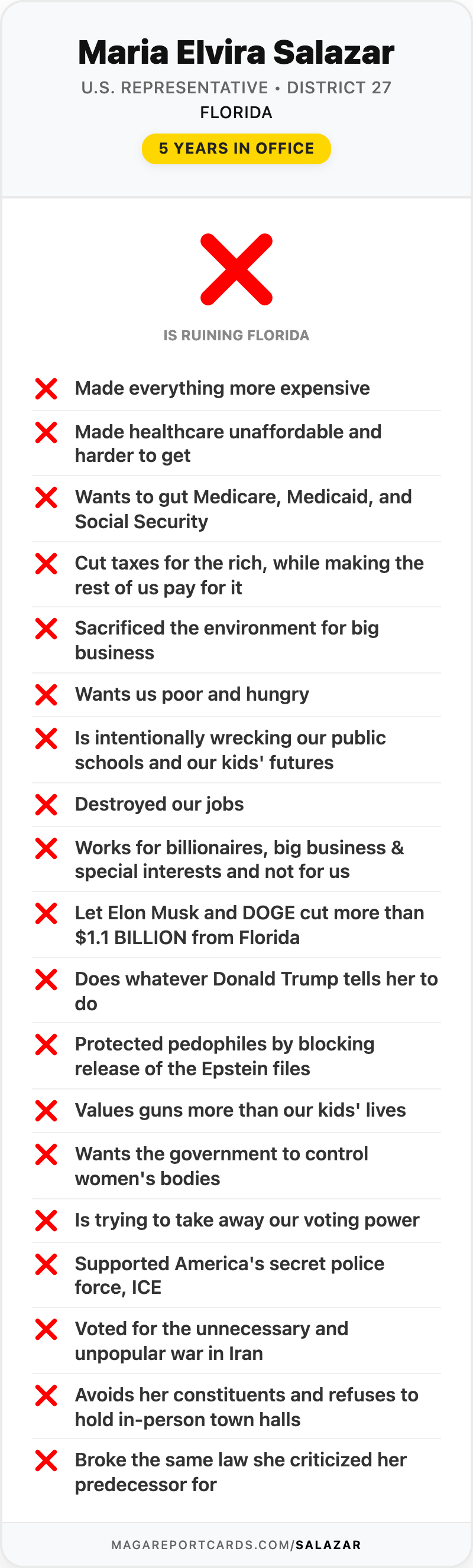
And this is a pattern with her, not a first. We have already documented how her signature immigration bill, the Dignity Act, has never received a hearing — she toured the country promoting it while her own party's subcommittee sat on it, and cast the ICE vote in the middle of that tour. Her own report card also records that she has been caught repeatedly taking credit for federal funding she voted against — including a 2024 photo op with a $1.4 million check for Nicklaus Children's Hospital, money from an appropriations bill she had voted no on.
The shape is consistent: say the popular thing, vote the other way, and hope nobody lines them up.
Trump's answer
The most telling part of the story may be how little it cost her with the President.
Speaking to reporters in the Oval Office, Trump said he had seen the video, disagreed with her, and understood her position anyway. "She got a little bit soft on the border. I understand that. I understand that. But I just don't happen to be there," he said.
Then: "She's a nice person. I got her elected. Without me she wouldn't have gotten elected."
He had already endorsed her for reelection, and the endorsement stood. That is what a "rebuke" looks like when both people know the vote already happened.
She is hard to ask about it
The obvious follow-up question — you say this has gone too far, so why did you fund it? — is one Salazar's constituents have had trouble putting to her in person.
Florida Politics reported in September 2025 that her "general disinclination to discuss policy and politics in an open, potentially unfriendly forum" had been noticed by her political opponents. She skipped a town hall Democrats say they invited her to, and a petition asking her to hold in-person town halls was still circulating. A Democrat running against her held one in her district without her.
What the record shows
Maria Elvira Salazar's campaign ad tells the President that Hispanics who voted for him "feel betrayed" by an immigration crackdown that has "gone too far." On June 9, 2026, she voted for S. 2, which put $70 billion into DHS, CBP and ICE — a bill that passed the House by two votes, making every Republican yes a deciding one. She represents a Miami-Dade district that is roughly three-quarters Hispanic. Trump's response was to keep his endorsement and say she had gotten "a little bit soft on the border."
Source
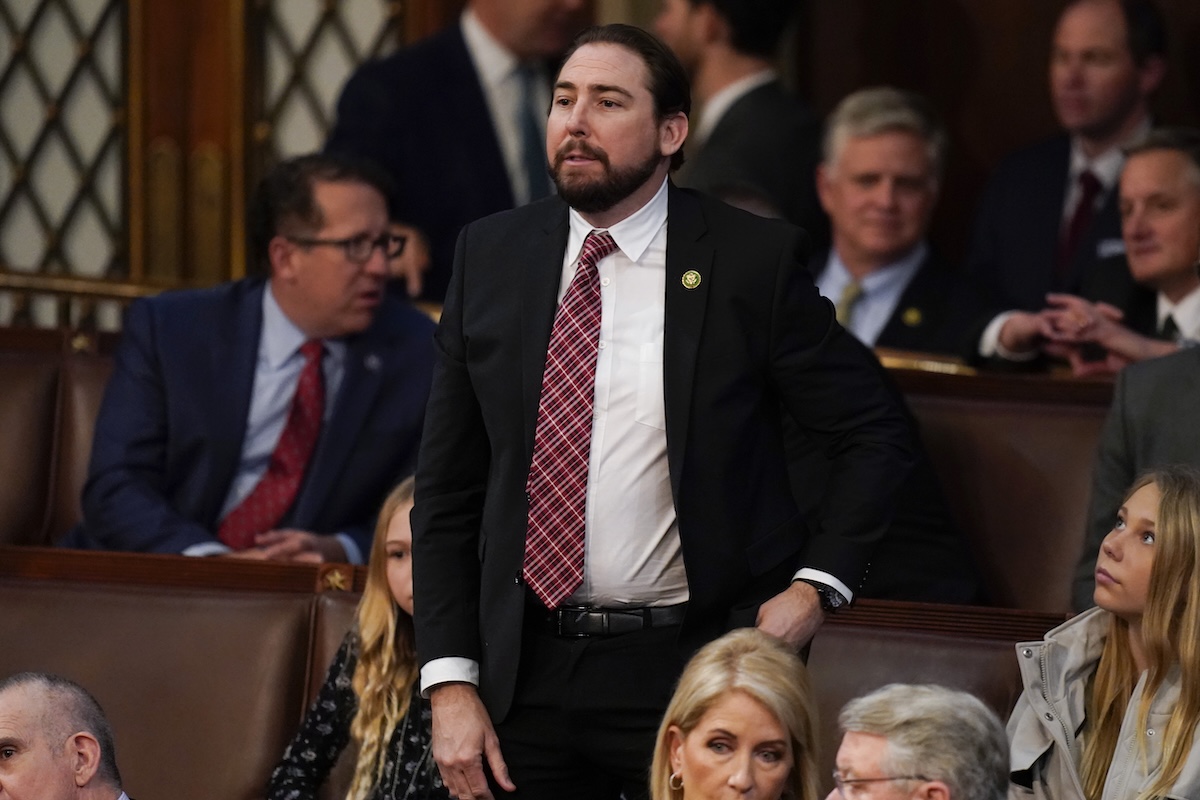
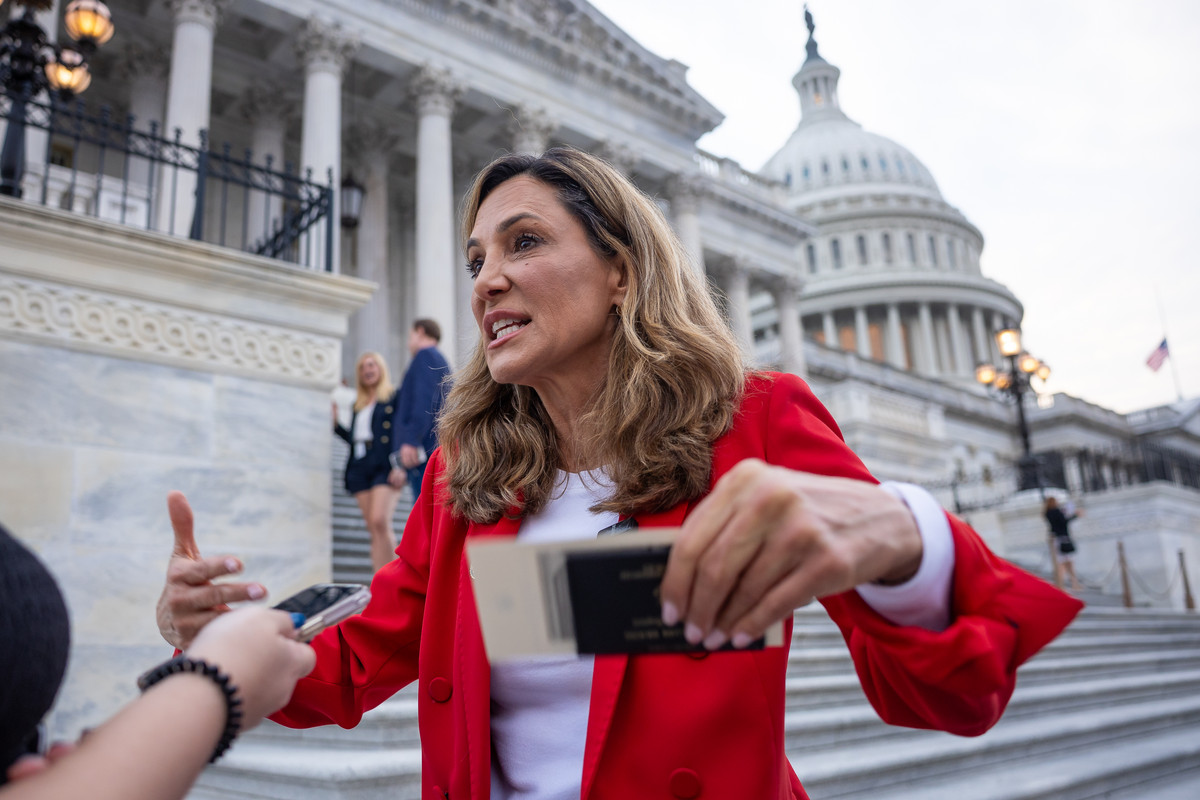
Reporting from POLITICO, September 18, 2026, and Spectrum News. Photo: Francis Chung / POLITICO.