The very first bill Mike Kennedy introduced after being sworn into Congress was not about health care, which is his profession. It was about dirt roads.
On January 14, 2025 — eleven days into the job — he filed H.R. 376, the Historic Roadways Protection Act. Sen. Mike Lee filed the matching Senate bill the same day. Kennedy's three fellow Utah House Republicans signed on as cosponsors.
Here is how Kennedy explained it in Lee's announcement:
"The Bureau of Land Management has a long history of overreach in rural Utah, and their attempt to make decisions about road access on public lands—before these roads are fully identified and established—is yet another overstep. I am pushing back with this legislation."
That sounds modest. Finish identifying the roads first, then plan around them. Reasonable, even.
It is not modest at all, and the reason is buried in the phrase "fully identified and established."
What has to happen first
The roads Kennedy is talking about are R.S. 2477 claims. R.S. 2477 was a line in an 1866 mining law that let states and counties build roads across federal land to encourage settlement of the West. Congress repealed it in 1976, but preserved any right-of-way that already existed.
So who owns which two-track in the desert is now a question for the courts. And Utah went to court in a big way.
According to the State of Utah's own public lands office, the state and 22 of its counties filed litigation covering 12,500 right-of-way claims. The Southern Utah Wilderness Alliance counts more than two dozen lawsuits filed in 2011 and 2012, claiming title to over 12,000 alleged rights-of-way totaling more than 35,000 miles across public land.
How is that going? The state's own website answers it. In 2015 the federal district court set up a "bellwether" process: pick 15 representative rights-of-way in Kane County, resolve the legal questions those raise, and only then appoint special masters to work through the rest of the state.
Fifteen, out of 12,500. That process started more than a decade ago. As SUWA puts it: since Utah filed in 2011–12, "not a single case has been adjudicated by the district court."
Kennedy's bill says the Bureau of Land Management may not finalize or implement travel plans until those cases are adjudicated. Given the pace of the actual litigation, that is not a pause. It is a stop.
What the "historic roadways" actually are
The name of the bill does a lot of work. It conjures wagon ruts and pioneer trails.
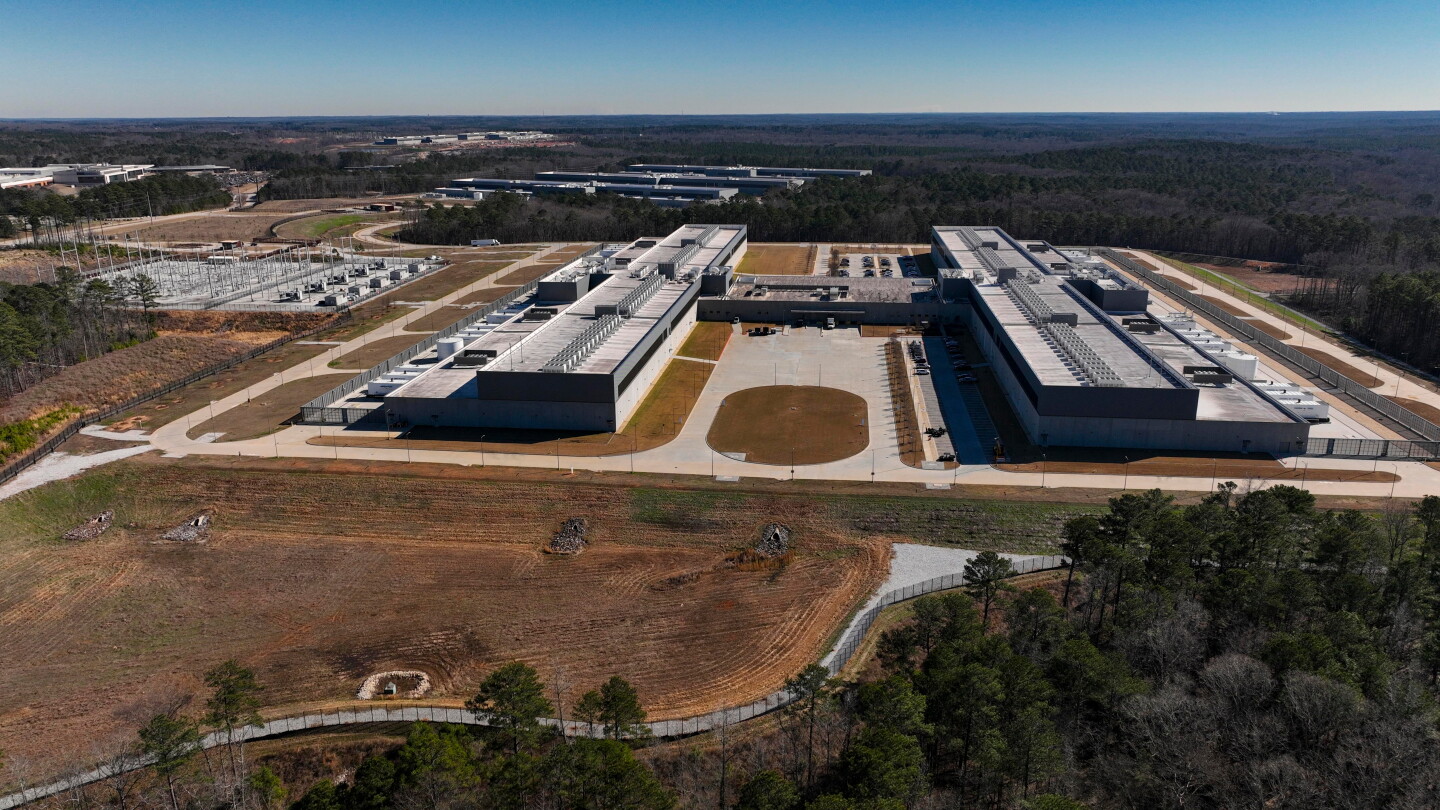
Roughly 80% of Utah's claimed rights-of-way are unimproved dirt roads and trails — cow paths, stream bottoms, faded two-tracks. SUWA notes that some "do not even exist on the ground and are instead simply lines on a map." The photograph at the top of this post is one of the claims.
The claims are not confined to backcountry nobody cares about, either. Utah and its counties are claiming rights-of-way inside national parks, national wildlife refuges, national monuments, national recreation areas, congressionally designated wilderness, wilderness study areas, critical habitat, and archaeological sites. And SUWA says the state isn't only seeking title — it wants the right to improve and widen these routes, in some cases up to 66 feet wide. Utah's public lands office says the opposite: that the litigation "does not seek new roads or the expansion of existing rights-of-way."
Sixty-six feet is a six-lane road's worth of disturbance through a slot canyon approach or an archaeological site.
The four plans he'd cancel
H.R. 376 isn't only forward-looking. The bill text names four travel management plans the BLM has already finished and bars spending any money to implement them: Indian Creek (Canyon Rims), San Rafael Desert, San Rafael Swell, and Labyrinth/Gemini Bridges.
It also bars any new plan for ten named travel management areas: the Henry Mountains and Fremont Gorge, Dinosaur (North), the Book Cliffs in both the Vernal and Moab field offices, Nine Mile Canyon in both the Vernal and Price field offices, the San Rafael Swell, the Dolores River, Trail Canyon, and Paunsaugunt.
And read how the freeze ends. The prohibition runs until "the Secretary certifies to Congress that each of the R.S. 2477 cases has been adjudicated" — and the bill then lists those cases by name and docket number. There are 22 of them, one per county, and every docket number starts with 11 or 12. Every single one of them has to be finished before the BLM can plan a route anywhere on that list.
Kennedy's bill would leave those lands with no current plan at all — which, in practice, means whatever anyone drives on becomes the route.
Add it up and SUWA's estimate is that the legislation would stop the BLM from managing motorized vehicle use across more than 6 million acres of Utah redrock.
"If Senator Lee had his way, millions of acres of southern Utah would be a motorized playground free-for-all," said SUWA staff attorney Laura Peterson. She named the places at stake: "Labyrinth Canyon, the San Rafael Swell, and the Dirty Devil."
Why it matters that it's him
Kennedy is not a bystander on this. He is Vice Chair of the Federal Lands Subcommittee of the House Natural Resources Committee — the panel that writes the rules for the land that makes up most of his state.
And this isn't the only place his committee work has landed. Utah's congressional delegation, Kennedy included, welcomed Trump's shrinking of Utah's national monuments as "appropriate" — a move that turned out to be the largest removal of protected land by any president in American history, by more than five times over.
The Historic Roadways Protection Act is moving. On February 4, 2026, the Senate Energy and Natural Resources Committee approved the Senate version on a party-line vote, 11 to 9.
The tell
Strip away the pioneer framing and the structure of the bill is simple.
Kennedy wants public-land management suspended until a court finishes a job that has produced zero final decisions in fourteen years and, by design, has to work through fifteen sample routes before it can even start on the other 12,485.
If you genuinely wanted the roads sorted out first, you would push to speed up the litigation. This bill doesn't touch the litigation. It just turns off the management and waits.
The waiting is the point.
Sources
Southern Utah Wilderness Alliance, "SUWA Statement on Historic Roadways Protection Act", February 4, 2026. Photo: an R.S. 2477 claim on Utah public land, courtesy SUWA. Bill quotes from Sen. Mike Lee's announcement, January 14, 2025.