There is nothing shameful about getting treatment for depression. It takes courage to ask for help, and no one should be attacked for it. Tom Kean Jr. deserves credit for that part of his story.
But that's not the whole story. When Kean returned to Congress after a four-month absence — during which he missed more than 100 votes while collecting his full salary — he told the House floor that he was "grateful that I accepted help" and that he's a longtime "supporter of mental health care."
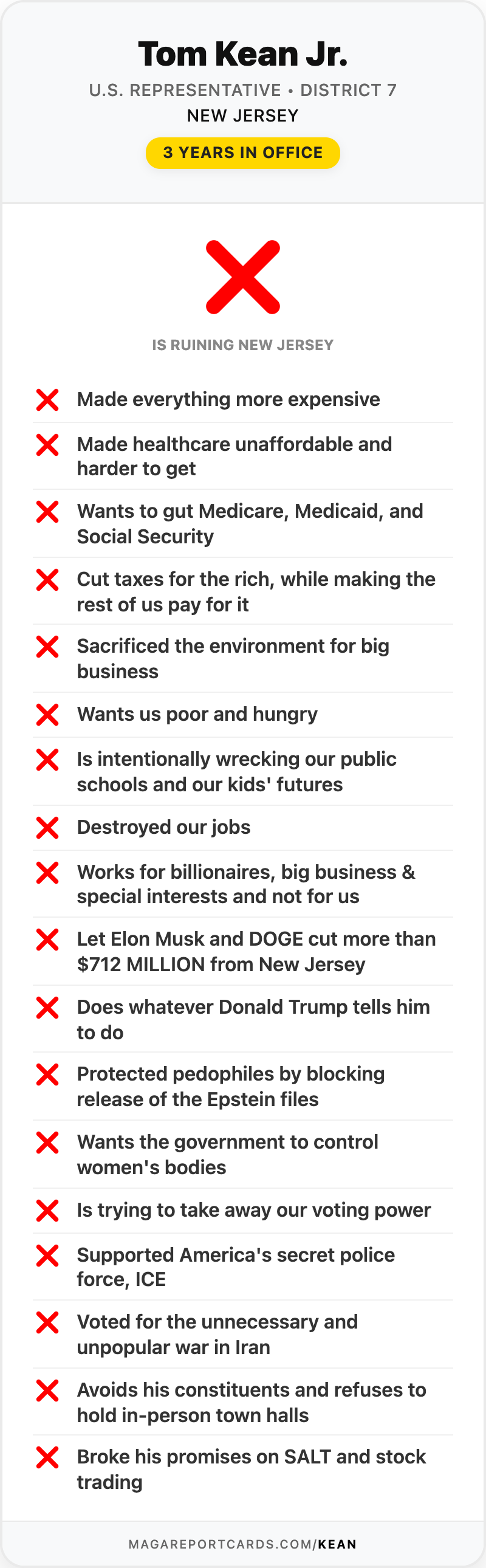
That last part is where the honesty runs out. Because Kean's actual record is a long list of votes that make it harder for regular people to get the exact kind of help he was lucky enough to receive.
He had what he voted to deny others
Kean got months of treatment, kept his job, and kept getting paid the whole time. Most working people in New Jersey's 7th District don't have that safety net — in large part because of how Kean has voted over 20 years in office.
As Mother Jones documented, during his two decades in the New Jersey State Senate, Kean:
- Opposed the state's Earned Sick Leave Act, which guarantees workers paid sick days — the kind of time off you need to see a doctor or recover without losing your paycheck.
- Opposed New Jersey's paid family leave laws — twice — leaving workers to choose between caring for themselves or a loved one and keeping their income.
- Opposed protections against surprise medical bills, the shock charges that can turn a single trip for care into a financial crisis.
As Yarrow Willman-Cole of New Jersey Citizen Action put it, "He's been able to rely on things he directly voted against." He got to take the time and the treatment. He voted to make sure his constituents couldn't.
Then he voted to cut Medicaid
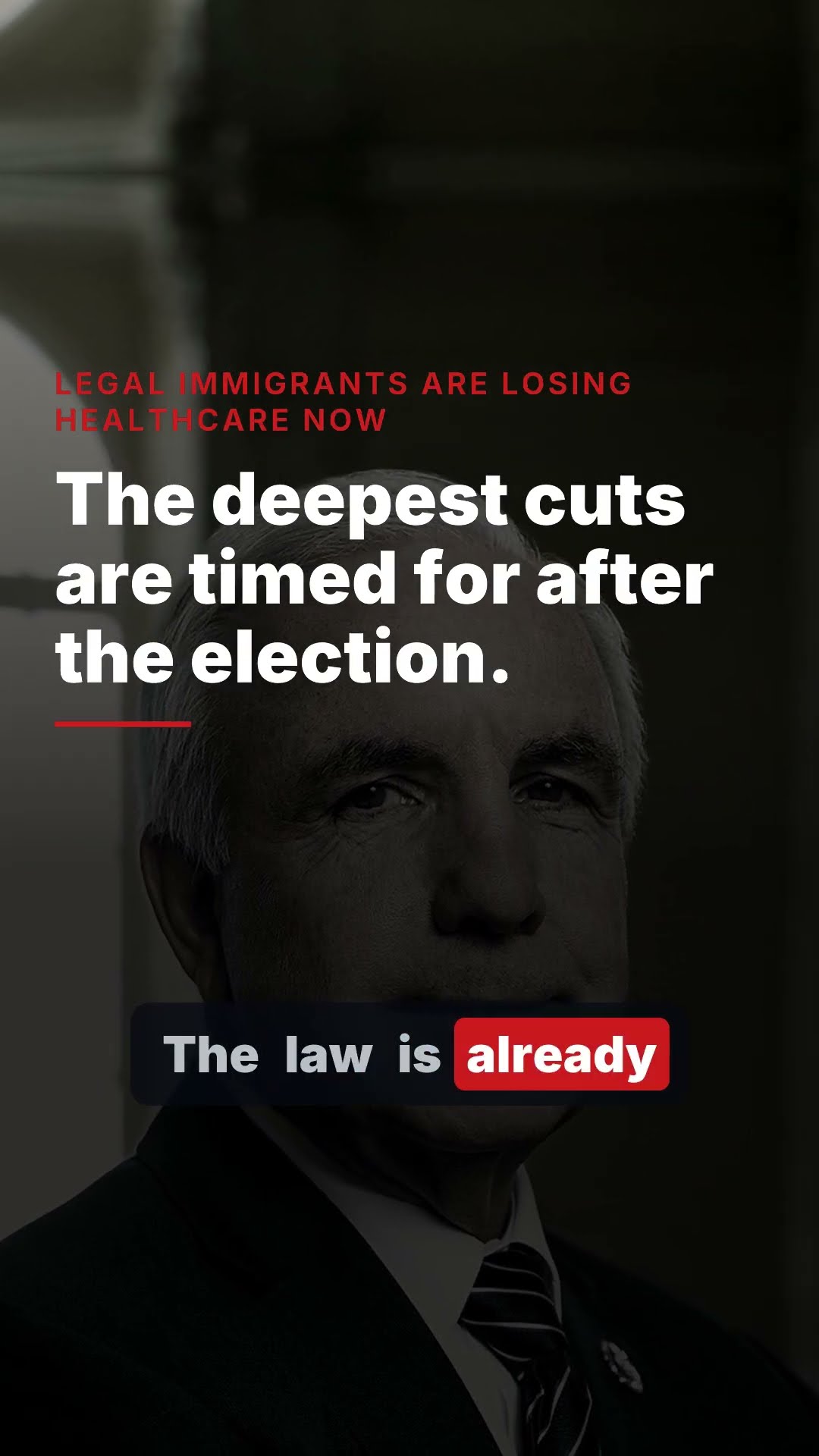
In Congress, Kean didn't change course. He voted for Trump's giant budget bill — the "One Big Beautiful Bill" — which imposes new work requirements on Medicaid and drives the largest cuts in the program's history. Kean didn't just vote for it. He applauded it.
Medicaid is one of the biggest payers for mental health and addiction treatment in the country. When you add paperwork and work requirements, people fall off their coverage — not because they're gaming the system, but because the system is designed to trip them up.
Matthew Camarda of the National Alliance on Mental Illness in New Jersey said cuts like these make it "very challenging for millions of Americans … who do have mental health conditions like depression to get the care that they need without risking their employment." That's a plain description of what Kean voted for.
More than 11,000 households in Kean's own district rely on SNAP to afford groceries, and he voted to cut that too. The through-line is simple: the programs that help people through a hard stretch — health coverage, food aid, paid time off — are exactly the ones Kean keeps voting to shrink.
"Supporter of mental health care" doesn't match the votes
Kean wants it both ways. He wants the sympathy that comes with his own recovery, and he wants to keep voting for a party agenda that makes recovery harder for everyone who isn't a wealthy congressman.
You can't call yourself a champion of mental health care while voting against paid sick leave, against paid family leave, against surprise-billing protections, and for the biggest Medicaid cuts ever. Those aren't small technicalities. They are the difference between a person being able to get help and a person going without.
This also fits a bigger pattern with Kean. He campaigned as pro-choice and then voted with his party to oppose abortion rights. He promised to put his millions in a blind trust and then backed away from it. Over and over, Kean says one caring, moderate-sounding thing — and then votes the other way.
We deserve leaders who mean it
The lesson of Kean's story shouldn't be that mental health care matters only when it's your own. It should be that everyone deserves the same shot at getting well that he just got.
Kean had good insurance, job security, and time to heal. He used his power in office to deny those things to the people he represents. If he truly supported mental health care, his record would show it. Instead, his record shows a man who took the help — and then voted to take it away from you.
Source
This post is based on reporting by Mother Jones, with additional detail from PBS NewsHour and Kean's own statement applauding the budget bill.