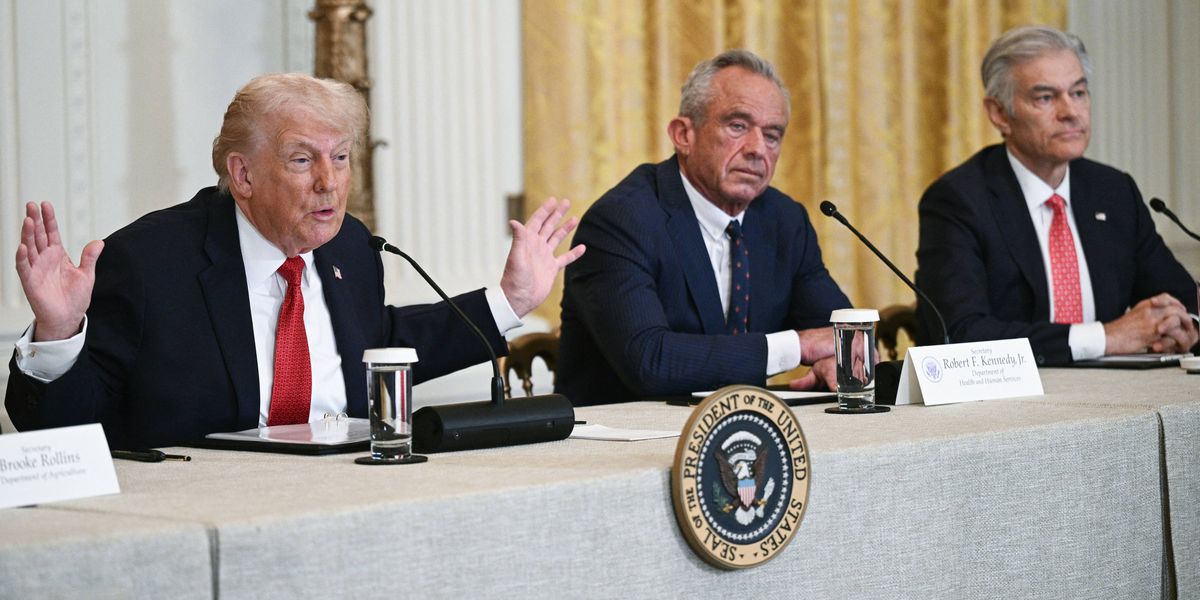
Since 1991, the federal government had told doctors to give every newborn a hepatitis B shot within a day of birth. In December 2025, the vaccine panel that Robert F. Kennedy Jr. had packed with his own picks voted to end that advice.
Now a new study shows what is happening in hospitals. Fewer babies are getting the shot, including the babies who need it most.
What the study found
The study, published November 24 in NEJM Evidence, a New England Journal of Medicine journal, looked at health records for more than 1.3 million babies.
- In 2022, 79.8% of newborns got the hepatitis B shot within a day of birth.
- By June 2026, that was down to 65.6%.
- Among babies whose mothers tested positive for hepatitis B, the share getting the shot fell from about 98% in 2025 to about 94% in 2026.
That last number matters most. A baby born to a mother with hepatitis B can catch it at birth. The shot is how doctors stop that.
The overall decline started around 2023, before Kennedy took over the Department of Health and Human Services in February 2025, Stateline reported. The drop among babies of infected mothers is newer: it came between 2025 and 2026, the span that includes his panel's vote against the birth dose.
What Kennedy's panel did
Kennedy fired nearly all the members of the CDC's vaccine advisory committee and replaced them, including with some vocal vaccine skeptics. In December 2025, the new panel voted to change the hepatitis B birth dose from a shot for every newborn to a "shared decision" between parents and doctors for babies whose mothers test negative.
In January 2026, the CDC went further and rolled back nearly half of all childhood vaccine recommendations.
The American Academy of Pediatrics and others sued. In March 2026 a federal judge stayed the new schedule and the new panel's votes, including the hepatitis B change, while the case plays out.
The safety net is "falling apart"
The CDC defended the change by saying pregnant women are reliably screened for the virus. One of the study's authors says that misses the point.
"Not every mother is tested during pregnancy, and not every person who gets tested has a known status," Nina Masters, an author of the study, told Stateline. "This birth dose has been a universal recommendation to be a safety net to catch those kids that might fall through the cracks, and what we're seeing here is that that safety net is kind of falling apart."
She blamed "extreme confusion as a result of the level of misinformation and changing recommendations around pediatric vaccines."
Why the shot matters
Hepatitis B is a contagious liver infection that can lead to liver cancer. The CDC has recommended the shot for all newborns since 1991.
It worked. A 2023 study by CDC researchers found that from 1990 to 2019, reported cases of acute hepatitis B among people under 19 fell by 99%.
A pattern under Kennedy
This is not the only protection slipping. This month, the United States lost its measles-free status after two years of Kennedy's health department casting doubt on vaccines. The CDC itself has lost nearly a third of its workers in 14 months.
Republicans put him in charge. Fourteen Republican senators we track voted to confirm Kennedy after he told them his trip to Samoa had "nothing to do with vaccines."
What the study shows
The share of American newborns getting the hepatitis B shot at birth fell from 79.8% in 2022 to 65.6% in June 2026, according to a study of 1.3 million babies. The decline began before RFK Jr. ran the health department. Between 2025 and 2026, a span that includes his handpicked panel's December 2025 vote to stop recommending the shot for every newborn, the share of babies born to infected mothers who got it fell from about 98% to about 94%. That vote is on hold in court, and one of the study's authors says the birth-dose safety net is "falling apart."
Source
Newborn vaccination rates for hepatitis B drop sharply — Stateline (via Ohio Capital Journal)