Before the November 3 election, Riverside County's elections office bought Facebook and Instagram ads. They said: "don't wait for Election Day to make your voice heard. Make your plan and vote early."
That's it. No candidate. No party. Just a reminder to vote.
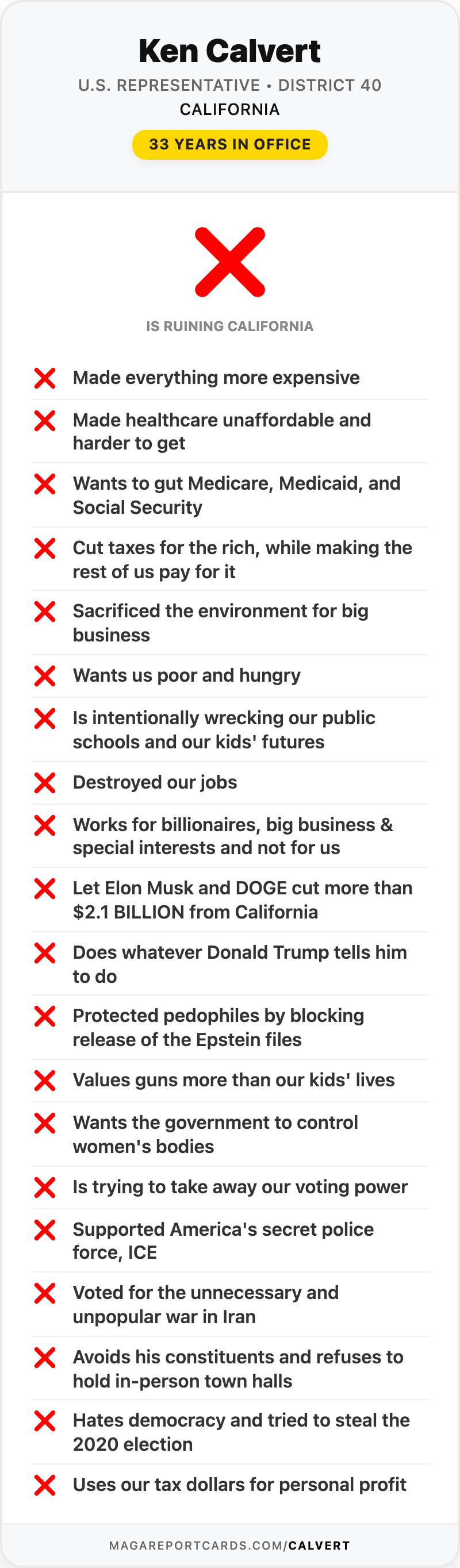
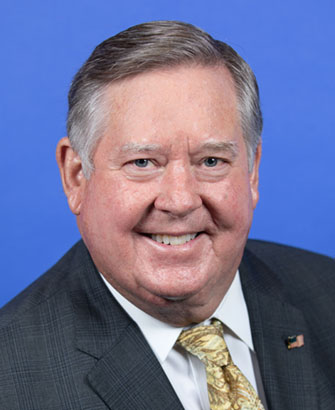
Ken Calvert, who has been in Congress since 1993 and whose district takes in much of Riverside County, thinks that's a scandal.
On November 17, he sent a letter to the chair of the Riverside County Board of Supervisors demanding to know who approved the ads, how much they cost, and why they reached the people they reached, SoCal Daily Pulse reported. He called them "alarmingly partisan and geographically biased get-out-the-vote ads." He posted the letter on X with this line:
"The Riverside County Registrar of Voters used tax dollars to pay for Meta ads leading up to the election solely encouraging fans of 'gangsta' rap and hip hop to vote. Why only them?"
What actually happened
The ads cost about $13,000 and reached an estimated audience of more than 1.5 million users, according to the Washington Examiner's reading of Meta's public ad records, as SoCal Daily Pulse reported.
Calvert's complaint is about the targeting. Meta lets advertisers aim ads at people by interest. According to Calvert's letter and City Journal's review of Meta's ad records, some of the county's ads were aimed at people Meta tags with interests like "Gangsta rap," "Rick Ross" and "2 Chainz," and more than 10% of its Meta ad money went to one downtown Riverside ZIP code. City Journal also found that in the week ending November 1, more than 40% of the county's Meta spending went to Spanish-speaking audiences.
In his letter, Calvert asked why the county didn't target "other music genres, like country music." He told the Washington Examiner that voters "deserve to know why the Registrar of Voters wants fans of 'gangsta rap' to vote more than fans of other genres."
Read the ad again. It doesn't tell anyone who to vote for. It tells them when they can vote.
Where the idea came from
Calvert's letter cites a November 9 City Journal piece by Christopher Rufo, a Manhattan Institute senior fellow, and reporter Kenneth Schrupp.
That piece looked at one week of ads from Riverside and San Diego counties. It argued that tags like "Gangsta rap" and "African-American history" are "proxies for groups that overwhelmingly support Democrats." It even complained that neither county "poured money into content tagged 'white culture.'"
In other words, the argument is that reminding Black and Latino residents how to vote is partisan, because of how Black and Latino residents tend to vote.
Riverside County promised to do this
Here's the part missing from every account of Calvert's letter. The county isn't freelancing. It made a legal promise.
In 2022, a local group called Inland Empire United and six county residents sued Riverside County. They argued the supervisors' district map didn't give Latino voters an equal chance to take part. The county settled in 2023.
As part of that deal, the ACLU of Southern California announced, the county agreed to spend at least $1.75 per voter on outreach and education in areas with low voter turnout during every contested supervisor election through 2030 — in both English and Spanish. Latinos make up 52% of Riverside County, and 34.5% of residents speak Spanish at home.
The signed settlement lists the kinds of outreach that count. Geo-targeted social media is one of them. The county's own 2026 outreach plan says it uses social media and an ad consultant to meet those obligations.
So the county ran cheap, nonpartisan, vote-early ads aimed at the neighborhoods and language groups that vote least — which is what it agreed in writing to do. Even City Journal noted that "lawsuits may be driving these decisions" and named the settlement.
He has a history here
This isn't the first time Calvert has gone after the voting process.
On the night of January 6, 2021, just hours after Trump supporters attacked the Capitol, Calvert voted against certifying the 2020 results in Arizona — and, a little after 3 a.m. on January 7, in Pennsylvania. Before that, he signed a brief supporting the Texas lawsuit that tried to throw out millions of votes in four states.
He also isn't the only Republican to treat a county's vote reminders as an attack. Weeks earlier in Texas, Ken Paxton's office sued to pull Harris County's "go vote" ads off Facebook — the day before early voting ended — saying they were aimed at Black, Latino and Asian voters.
Same playbook: find out who a vote reminder reached, and call reaching them partisan.
Why it matters
Calvert won his race. He did not need to send this letter. He chose to spend his time after the election demanding answers from local election officials about why they encouraged people in his own county to vote early.
Every question in his letter — who approved it, how the targeting was picked, whether a vendor ran it — is a question about outreach the county promised, in that settlement, to keep doing through 2030. A member of Congress demanding that a small county elections office justify reminding people to vote sends a message about next time.
What we know
Riverside County agreed in a 2023 voting rights settlement to spend at least $1.75 per voter on outreach in low-turnout areas, including through geo-targeted social media. Before the election it spent about $13,000 on nonpartisan Facebook and Instagram ads telling people to "make your plan and vote early," some aimed at hip-hop fans, one downtown ZIP code and Spanish speakers. On November 17, Ken Calvert — who voted against certifying the 2020 election — sent the county's supervisors a letter calling those ads "alarmingly partisan," citing a piece by Christopher Rufo.
Source
Calvert Demands Answers Over Riverside County's Targeted, Taxpayer-Funded Voter Ads — SoCal Daily Pulse, November 2026.