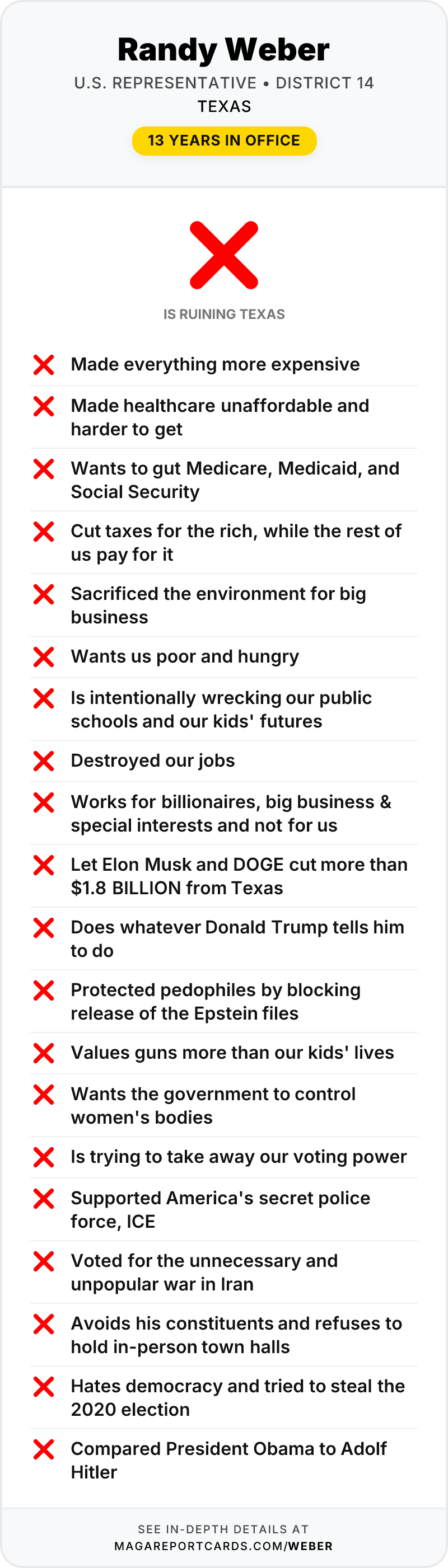
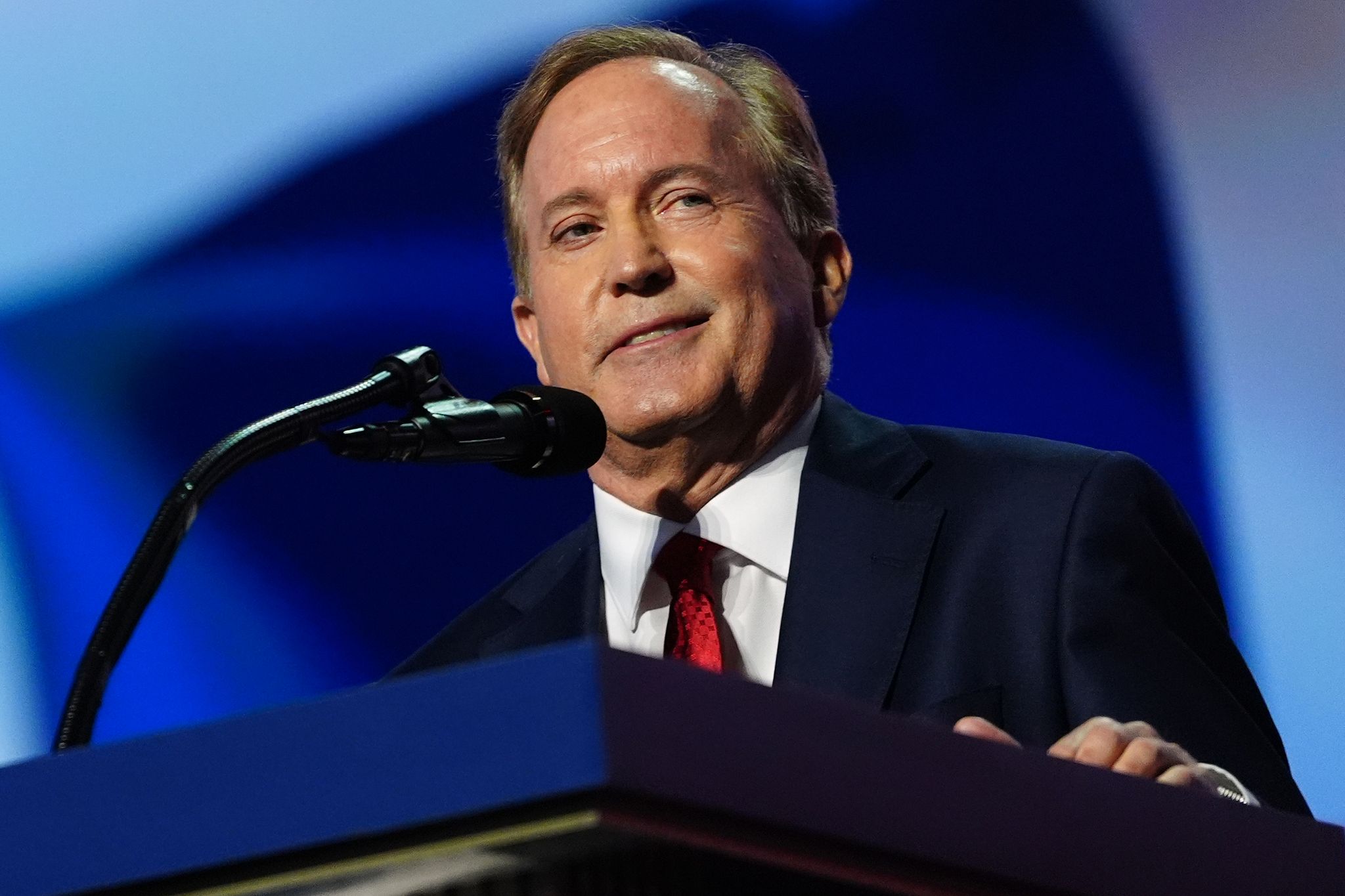
In July 2025, President Trump signed the One Big Beautiful Bill Act. It cut Medicaid and food assistance. It is the single biggest thing Congress did that year.
Tucked inside it was $85 million to move a retired space shuttle.
Space Shuttle Discovery has been on display since 2012 at the Smithsonian's Udvar-Hazy Center outside Washington, D.C. The law never named it. It gave NASA 30 days to identify a space vehicle that had flown into space and carried astronauts, transfer it to a NASA field center "involved in the administration of the Commercial Crew Program," and put it on public display in the same metro area — with at least $5 million of that $85 million set aside for the transport itself. Kennedy Space Center in Florida fit that description too. In August 2025, acting NASA administrator Sean Duffy picked Discovery and Houston.
The Smithsonian ran the numbers, and they reached Congress in a July 24, 2025 Congressional Research Service report: roughly $50 to $55 million just to move the orbiter, and about $325 million on top of that to prepare the museum for the removal and build a permanent display facility at the other end. Close to $380 million all told, against the $85 million Congress had provided.
That was not the answer Texas Republicans wanted.
On October 22, 2025, Randy Weber joined Sens. John Cornyn and Ted Cruz in a letter to the U.S. Department of Justice asking for a federal investigation of the Smithsonian Institution.
What the letter actually accuses them of
The letter, reported by Roll Call's Valerie Yurk, alleges the Smithsonian violated the Anti-Lobbying Act by:
- urging congressional Appropriations committees not to fund the transfer
- circulating cost estimates that "exceed quotes from experienced private-sector logistics firms by more than tenfold"
- approaching the Senate Appropriations and Rules committees to oppose the language
- pressing the House Appropriations Committee to add amendments blocking the relocation money
- "coordinating with members of the press to generate public opposition to the law's passage"
- "falsely" claiming "the shuttle's wings would need to be removed for transport"
Strip out the legal framing and most of that is this: a federally funded institution told members of Congress that a plan Congress was considering would cost far more than Congress said, and lobbied against it.
The one allegation that is about something else is the press one. By the letter's own account of the statute, the Anti-Lobbying Act "prohibits the use of appropriated funds for communications intended to influence members of the public to pressure Congress" — talking to reporters, in other words. The evidence the letter offers for that is a single sentence: "public reporting suggests the Smithsonian Institution has taken affirmative steps to oppose the passage and implementation of the shuttle's relocation." The footnote is to a trade magazine article.
That is not a crime. That is a federal agency giving Congress its cost estimate. It is what the appropriations process is for. If every agency that told an appropriations committee "this will cost more than you think" were referred to the Justice Department, there would be no one left to answer the phone at OMB.
The Smithsonian's response was that it does "not engage in 'direct or grassroots lobbying'" and that it "acted in accordance with all governing rules and regulations."
The estimates
Here is the disagreement in one line.
| Estimate for moving Discovery | |
|---|---|
| Budget law (Weber, Cornyn, Cruz) | $85 million total, at least $5 million for transport |
| Smithsonian | $50–55 million for transport, plus ~$325 million for museum prep and a display facility |
The lawmakers say private logistics quotes come in closer to their number, and CRS records one: a firm experienced in moving large vehicles gave a preliminary estimate of $8 million to take Discovery by ground and barge. The Smithsonian's answer is that the orbiter is a "fragile object" and that moving it at all "would be very complicated and expensive, and likely result in irreparable damage to the shuttle and its components."
Reasonable people can argue about that. What is not reasonable is deciding that the side with the inconvenient number must have broken the law.
The part Weber's constituents should sit with
Weber voted Aye on the budget law that carried the $85 million. The same law cut Medicaid and food assistance across Texas.
Now compare that $85 million to what Weber's own district has gotten for the thing it actually needs.
The Coastal Texas Project — the Ike Dike, the storm barrier meant to protect Galveston and the Houston Ship Channel from hurricane surge — has received $5.5 million in federal money since Hurricane Ike hit in 2008. That's everything Washington has ever put in, against a project priced between $35 billion and $57 billion.
$85 million to move a museum piece into the district. $5.5 million to keep the district from flooding.
And when a museum said the museum-piece number was wrong, the response from Weber's office was to ask the Justice Department to look into them.
Using the DOJ as a debate tactic
This is the part that outlasts the shuttle.
A member of Congress has plenty of tools for a disagreement about a cost estimate. He can hold a hearing. He can subpoena the underlying documents. He can ask the Government Accountability Office for an independent number. He can write a rider into the appropriations bill.
Asking the Justice Department to open an investigation because an institution gave Congress an estimate you don't like is a different kind of move. It converts a budget argument into a legal threat, and it teaches every federal agency and federally funded body a simple lesson: if you tell this Congress something it doesn't want to hear, you may hear from prosecutors.
Discovery is a national artifact. It is now the subject of a fight in which a United States congressman asked federal law enforcement to investigate the museum that keeps it — over a number.
Source
Valerie Yurk, "Texas Republicans allege Smithsonian broke lobbying law on shuttle," Roll Call, October 23, 2025, and the lawmakers' own October 22, 2025 announcement. Photo: Chris Maddaloni/CQ Roll Call.