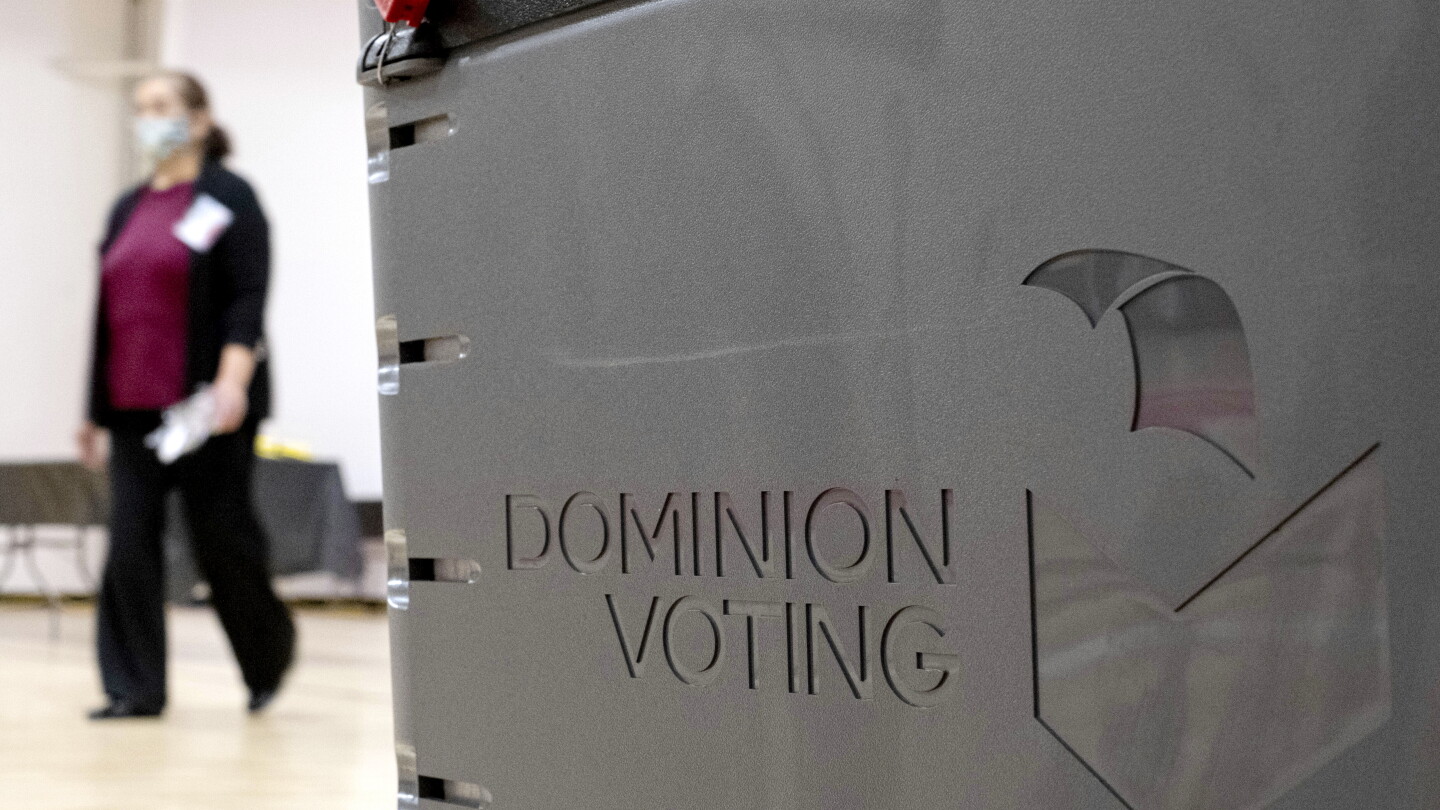
A federal official inside the U.S. Postal Service has told Congress that the system the agency has been racing to switch on to verify mail-in ballots was built so badly it could "derail the midterm elections."
The disclosure was prepared by the nonprofit legal group Whistleblower Aid and is dated August 29, 2026. Sen. Richard Blumenthal's office released it on September 1, attached to a letter to Postmaster General David Steiner dated August 31. It went to members of Congress and to the House Oversight Committee.
Its central warning is that if the rule survives its court fight, "potentially millions of American voters may not receive their mail-in ballot this election cycle in a timely manner, or at all."
What the system does
Trump's March 2026 executive order, "Ensuring Citizenship Verification and Integrity in Federal Elections," is what set this in motion. To carry it out, the Postal Service built a chain of checks that every batch of mail ballots would have to pass.
State election officials would have to enter voter information into a new Federal Ballot Mail Portal, then upload batch manifests into a separate older system. The Postal Service compares the manifest against the state's list. Only if there is a 100% match does the batch move on to barcode scanning.
Then comes the part the whistleblower flags:
"As presently designed, if even one bar code on one single ballot in a bulk-mailing of 10,000 ballots fails to properly scan during the verification process, the entire batch is rejected and sent back to the state — effectively stopping the ballots from being mailed to voters."
Ten thousand ballots. One scanning error. All of them stopped.
That is not a design that degrades gracefully under stress. It is a design in which a single smudge, misprint or scanner hiccup takes out an entire county's mailing.
How it was built
The disclosure describes a project rushed to meet a deadline rather than built to work.
USPS leadership, it says, "has discarded all best practices as they speed the project to be ready for a September 1 implementation." It quotes multiple USPS officials describing the ballot-mail IT development process as "a shit show." It warns the system could crash outright during rollout.
And it raises the possibility that the failure is not accidental — "raising questions about whether catastrophic failure would be a feature rather than a bug."
That is a federal employee, through counsel, telling Congress that the people running the Postal Service may not mind if the ballots do not go out.
Blumenthal has demanded answers from Postmaster General David Steiner, Trump's pick to run the agency, by September 4.
The order has been in and out of court all year
None of this is happening in a vacuum. Trump's mail-voting order has been in and out of federal court all year, and the courts have repeatedly told the White House it does not have this power.
- On June 25, a federal judge blocked major parts of the order in the twenty-three states and the District of Columbia that had sued, after the administration told the Postal Service to stop delivering mail ballots in states that would not hand over their voter lists. The First Circuit affirmed her ruling on July 25.
- On July 27, with 99 days left before the election, the administration asked the Supreme Court to let the restrictions take effect anyway — backed by twelve Republican state attorneys general — after two courts had ruled the Constitution gives states, not presidents, the power to run elections.
- Last week, the Postal Service published its mail-ballot rule while a court order blocked it, and the Supreme Court's conservative majority then lifted one of the two injunctions against it, 71 days before the election, leaving the other standing.
- A judge issued another temporary restraining order on August 27.
That order halted all work on the portal for 14 days, and it was still in force on September 1. The whistleblower says USPS kept building through the earlier orders; the first question in Blumenthal's letter is whether it has stopped now.
Why this is worse than a normal government IT failure
Federal software projects fail all the time, and usually the cost is money and delay. This one has an Election Day it cannot move.
Ballots start going out to voters this week. North Carolina begins mailing some on Friday, and several more states follow around mid-September. There is no version of this where a broken portal gets patched in the spring. If a state's batch is rejected in October, those voters do not get a second election.
The people most affected are the ones who vote by mail because they cannot easily vote any other way: rural voters far from a polling place, older voters, people with disabilities, deployed service members, and anyone who works a shift that does not end before the polls close.
What we know
A whistleblower disclosure filed with Congress and released September 1, 2026 says the Postal Service raced to launch a new mail-ballot verification system by that date, "discarded all best practices" building it, and designed it so that a single unreadable barcode rejects an entire 10,000-ballot batch. The filing warns that potentially millions of voters may not receive a ballot in time, or at all, and asks whether that outcome is a feature rather than a bug. The system exists to carry out a Trump executive order that federal courts have blocked repeatedly since June, and a temporary restraining order barring work on the portal was in force on September 1.
Source
"Postal Service Whistleblower Warns Trump Assault on Mail-In Voting Could 'Derail the Midterm Elections'", Common Dreams, September 1, 2026, and "'A Shit Show': Postal Service Whistleblower Warns That New Project Will Sow Chaos in Election", Talking Points Memo, September 1, 2026. The disclosure itself, and Blumenthal's August 31 letter to the Postmaster General, are published here.