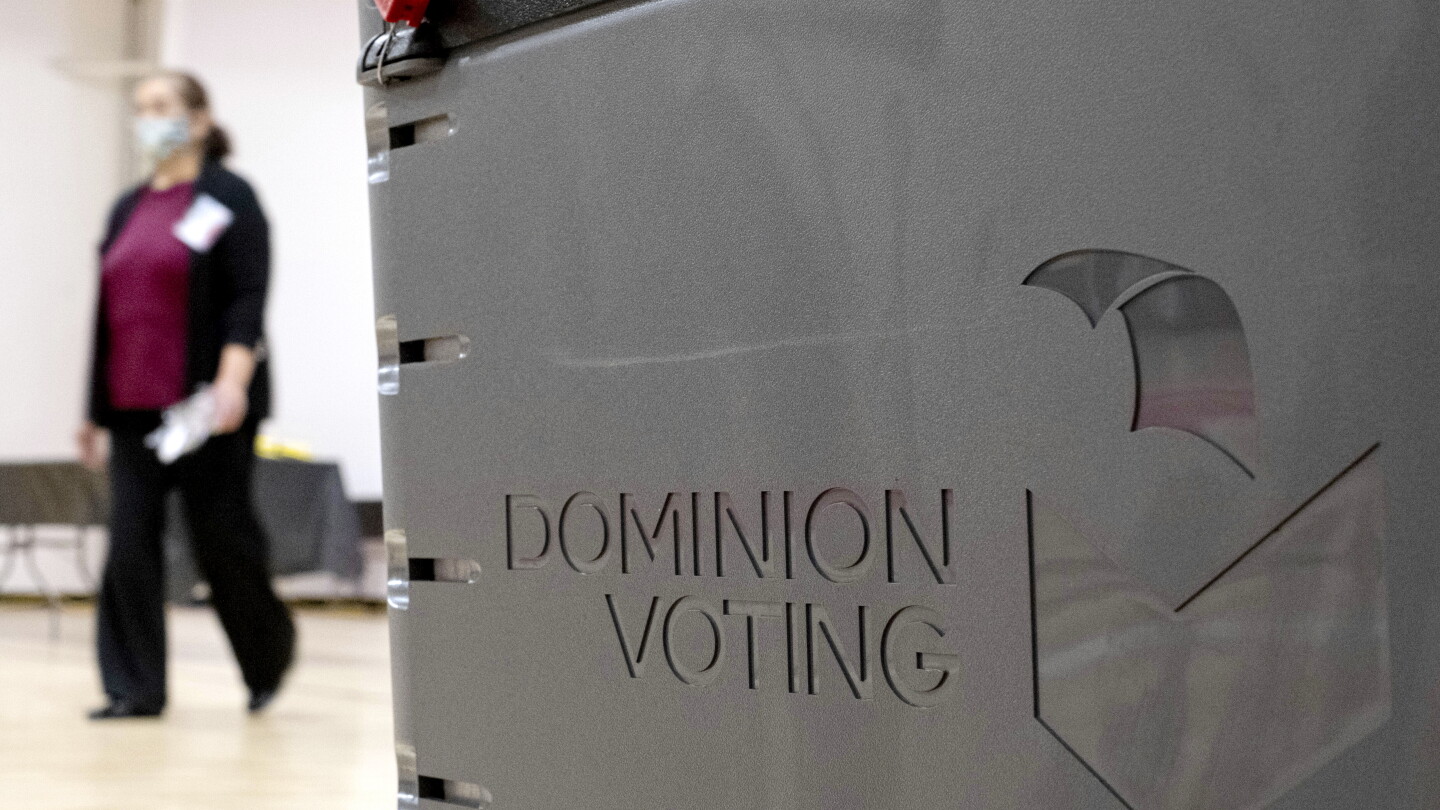
Voting for the November 3 election has already started in California. On Tuesday, October 13, Trump's Justice Department tried to decide who gets to finish.
In letters to California's Secretary of State and to the Los Angeles County registrar, the department gave the state 48 hours to review a list of voters it believes are likely noncitizens and hold back their ballots, States Newsroom reported. The deadline: noon Eastern on Thursday. If California didn't comply, the department said it would "seek emergency relief" in court.
The letters, signed by acting deputy attorney general R. Trent McCotter, told California that for anyone on the list whose citizenship it couldn't confirm, it should:
- Stop sending mail ballots to anyone on the list who hasn't gotten one yet
- Set aside — "segregate—not cancel" — any mail ballots they've already returned
- Not count those ballots until their citizenship is "determined"
A thumb drive and a handwritten password
The list itself arrived in Los Angeles County — the most populous county in the country — on a thumb drive, with a handwritten note containing a password. Registrar Dean Logan said his staff didn't open it, because doing so would have broken the office's data security rules.
The letters didn't say how many people are on the list. They didn't say how the federal government decided those people aren't citizens.
"Any action to remove a voter from eligibility must be based on verifiable information, not assertions of unconfirmed data matching," Logan said. California Secretary of State Shirley Weber said the demands "only serve to cause chaos and fuel public distrust in our elections."
What the law says
Federal law prohibits most states from systematically purging voters in the 90 days before a federal election. Election Day is less than three weeks away. If the department sues, States Newsroom reports, a judge would likely have to decide whether a list like this one — undisclosed voters, matched by an unexplained method, handed over on a thumb drive — is the kind of mass removal the law forbids this close to an election.
And the department has been losing these fights. Federal courts have uniformly blocked its efforts to force states to hand over their voter rolls, including driver's license and Social Security numbers. A federal judge ruled last week against the department's use of voter data even from states that gave it up voluntarily. And the U.S. Supreme Court blocked Trump's attempt to restrict voting by mail through the Postal Service.
A problem that barely exists
Noncitizen voting is rare, and audits keep showing it. When Greg Abbott claimed Texas had caught 6,500 noncitizens on its rolls, his own office had confirmed 581. Earlier this year the same Justice Department warned election officials in at least 14 states that they could be prosecuted over noncitizen voters, which experts called intimidation.
This is also the claim House Republicans have been using to chase Trump's fraud stories. Bryan Steil, who runs the House committee that oversees elections, demanded classified briefings on Trump's claim that 250,000 noncitizens are registered — a figure a leading election expert called "completely noncredible."
Trump has long attacked California's elections, especially how long the state takes to count. That long count is a well-known feature of how California runs elections, with officials getting about a month to process every ballot. It isn't evidence of fraud.
What it adds up to
On October 13, with voting already underway, Trump's Justice Department gave California 48 hours to review a list of an undisclosed number of supposed noncitizens, stop mailing them ballots, and set aside ballots they had already returned. It delivered the list on a password-protected thumb drive without saying who is on it or how they were identified, though federal law bars most states from systematic purges within 90 days of an election. Federal courts have so far blocked every attempt by the department to force states to turn over their voter rolls.
Source
Trump's DOJ demands California halt ballots to suspected noncitizens — Jonathan Shorman, States Newsroom