Cullman. Birmingham. Leeds. Homewood. Fort Payne. Bessemer. Pinson. Wilsonville. Fairfield. Mobile.
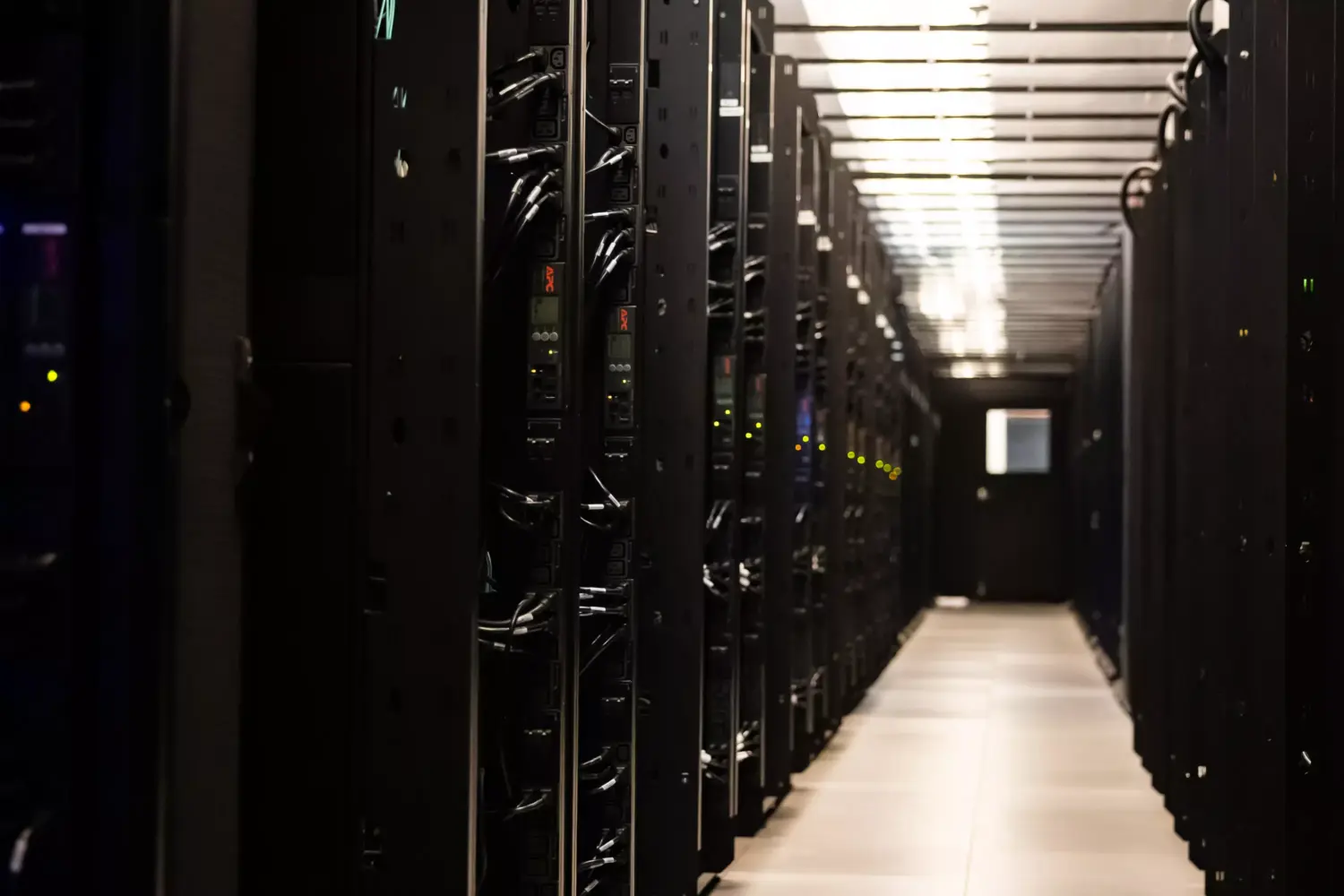
Those are Alabama communities that have seen strong local opposition to data centers or moved to ban them — the enormous, power-hungry, water-cooled warehouses that run AI. Several have been pumping the brakes on new projects this year, and last month the Cullman City Council voted unanimously for a one-year moratorium.
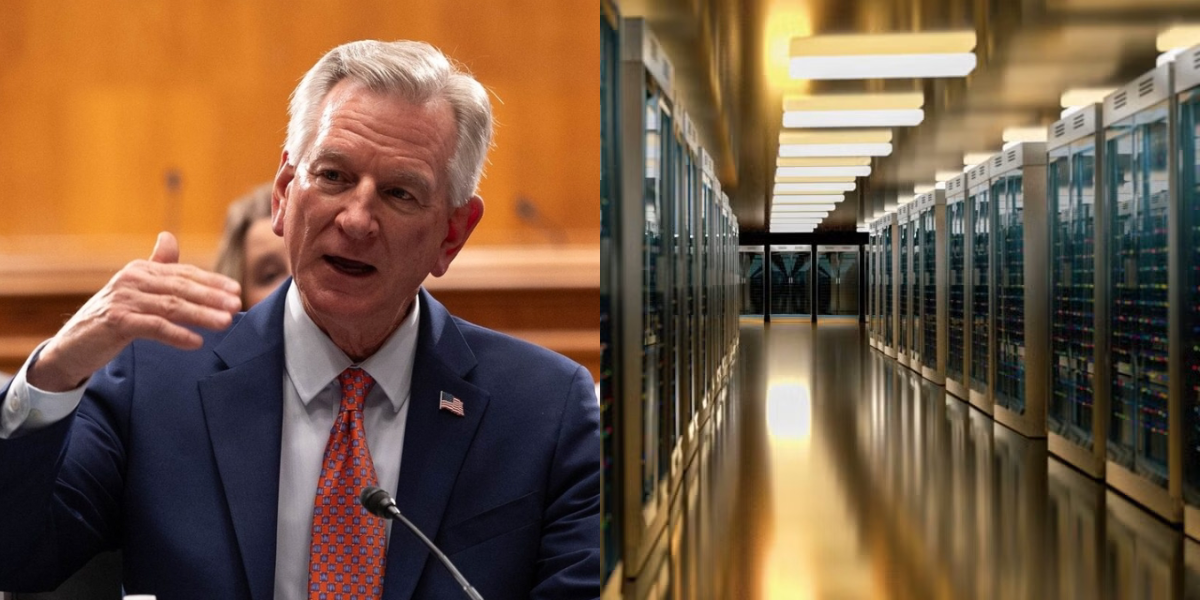
On Monday, July 13, Tommy Tuberville stood in front of the Alabama Sheriffs Association in Opelika and told them what he thinks of those neighbors.
"Bull crap"
Here's what Alabama's Republican nominee for governor said, as reported by WBRC:
"I think there are 27 states that said we aren't going to build data centers — we're not going to do that. It makes too much noise. It's going to ruin the climate — bull crap. They are listening to all this nonsense they see on social media that's coming from China because China does not want us to grow."
So: the people in Cullman are not worried about their water. They are not worried about their power bill. They are not worried about a hum that never stops, three hundred yards from a bedroom window.
According to the man who wants to be their governor, they are repeating talking points fed to them by the Chinese government.
He offered no evidence for that. WBRC asked his office about the China comment and got no answer before publishing.
Tuberville also made clear that whatever these communities decide, it isn't really up to them:
"You can forget about doing away with it because it's coming."
The concerns he called "nonsense" are the actual concerns
The issues Alabama city councils have been debating are water use, noise mitigation, electrical demand and landscaping. This is not a foreign influence campaign. It's zoning.
Doug Jones, the former U.S. senator running against Tuberville, put it to WBRC this way:
"To say this opposition is coming from China is one of the most ridiculous things Tommy Tuberville has ever said, and that's a high bar. The people raising these concerns aren't foreign agents. They're Alabama families who found out about massive projects in their own communities after decisions had already been made. Instead of listening to them, Tuberville insults them."
Cullman is not a hotbed of environmental activism. As Alabama Reflector's Brian Lyman pointed out in a column, it is "not known for green politics or liberal ideas." These are ordinary Alabama communities organizing against projects being dropped into their neighborhoods. Insulting them is a strange way to ask for their vote.
Ten days later, the same tune
On Thursday, July 23, Tuberville was back on the subject, and the "bull crap" was gone. Now, he told WVNN, "you have to be transparent" and "We want to be transparent," because "People don't understand them."
The China line wasn't gone. On a press call the same day, he said "A lot of this fake news is coming from woke EU climate activists and foreign adversaries like Russia and China." A softer word, the same accusation. And still not an answer.
"People don't understand them" is a nicer way of saying the same thing he said in Opelika: the problem is the public, not the projects. Nobody in these towns asked for a better explanation. The questions their councils have been debating are water use, noise, electrical demand and landscaping. "Be transparent" is what you say when you've decided the answer and want credit for showing your work later.
And note what he still isn't offering. Jones has called for an immediate statewide moratorium until Alabama has a real plan, a ban on non-disclosure agreements between developers and local governments, and independently funded community advisory boards. Tuberville's position remains that it's coming whether you like it or not.
Who benefits
Tuberville's pitch is that the tax money is worth it. He told the sheriffs the revenue is "unbelievable for schools, for law enforcement," and later said a data center "does pretty much double the tax for schools in your city or neighborhood."
Left out of that pitch: who's on the other side of the deal.
Near the top of Tuberville's 2025–26 donor list is the Blackstone Group — $15,500, all of it from people connected to the firm rather than the firm itself. Blackstone is the private equity firm that calls itself the leading investor in data centers and power infrastructure. Blackstone bought the data center company QTS in a $10 billion deal — at the time the largest in the industry's history.
Also on that list are Drummond Company, an Alabama coal company, and Vulcan Materials, $11,000 each, mostly from their PACs. Data centers need enormous amounts of electricity and enormous amounts of concrete.
So when Alabama residents ask questions about power and water, and the answer they get is bull crap, that's China talking — it's worth knowing whose interests line up with getting these built fast and quiet.
The record behind the rhetoric
None of this is out of character on the environment. The League of Conservation Voters scored Tuberville at 0% for 2025 — zero pro-environment votes out of 34 scored in the Senate — and gives him a 3% lifetime score. Across his whole Senate career, he has voted the pro-environment way about three times in a hundred.
That's the person now telling Alabamians their concerns about water use and power bills are foreign propaganda.
What this actually looks like
A city council in Cullman voted unanimously to take a year and think about it before letting a data center in.
The Republican nominee for governor called that reasoning "bull crap" and said it came from China.
If he wins in November, those are the towns he'll be governing. He's already told them what he thinks their opinions are worth.
Source
Reporting by Josh Gauntt for WBRC and Yellowhammer News, with additional context from Alabama Reflector.