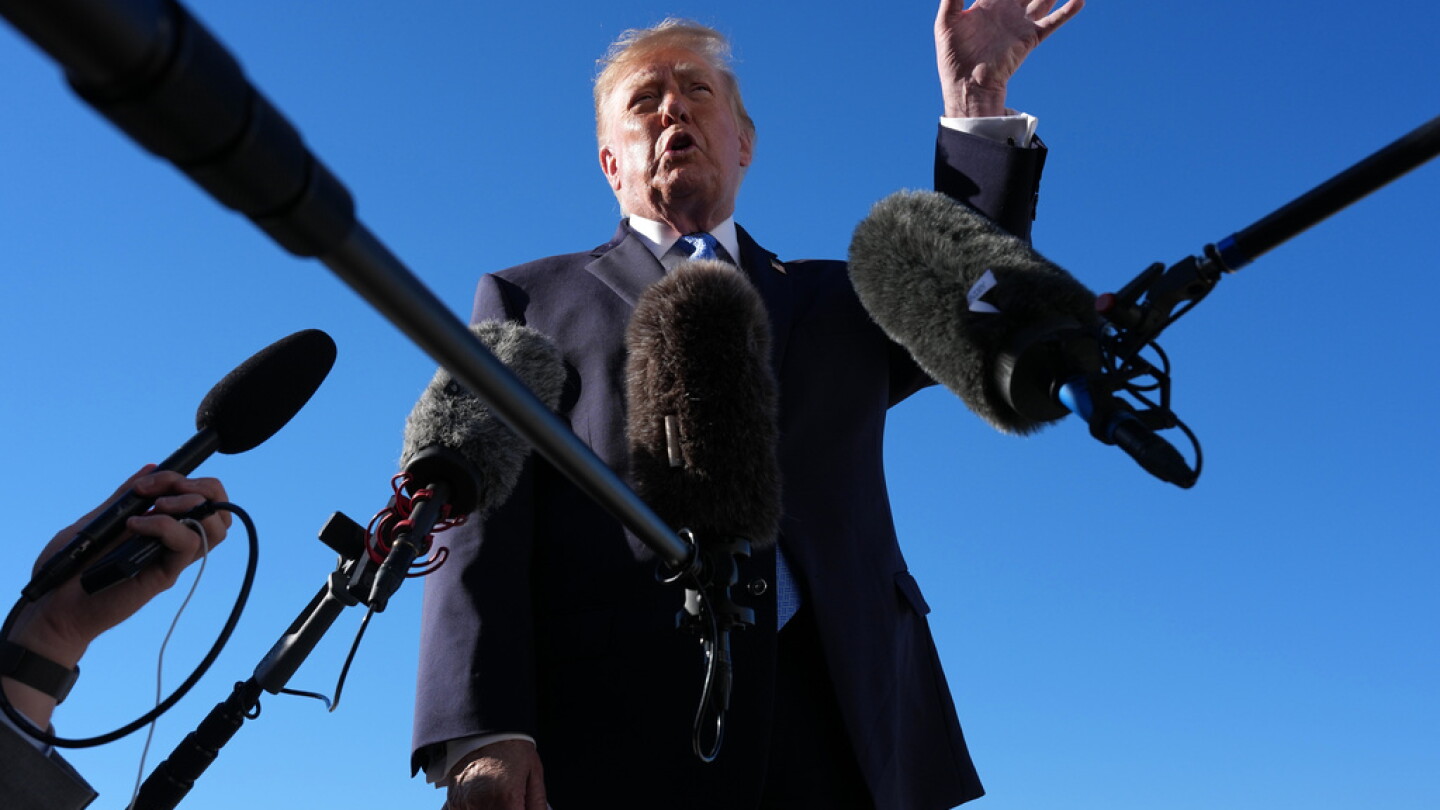
On Monday, October 26 — eight days before the midterms — Donald Trump offered a cash bounty for voter fraud.
"Anybody reporting Voter Fraud in the past Elections, or the upcoming 2026 Midterm Election, will be paid $1,000,000 upon the arrest and conviction of those that created the Fraud!" he wrote on Truth Social.
That is the President of the United States offering a million dollars for fraud reports in the middle of an election.
Nobody can say where the money comes from
The Washington Sun asked the White House how the rewards would be paid for and how any payment would be authorized. The White House pointed back to Trump's post.
There is no program. According to the Sun, the Republican-led Congress hasn't approved money for anything like this. The Justice Department does run a small pilot program paying tips on financial fraud against federal programs, but it is not a voter-fraud bounty, and the Sun reports its rewards run up to $30,000, not $1 million.
Election law expert Richard Hasen of UCLA told the Sun he doesn't take Trump at his word, and predicted that "in six months' time, Trump will try and wiggle out of it and say it was hyperbole."
But a bounty doesn't have to pay out to do its job. The point is the message it sends a week before an election: that fraud is everywhere.
The fraud he's offering money for barely exists
Voter fraud is real, and it is very rare. The Brennan Center reviewed elections that had been studied closely for fraud and found rates between 0.0003 percent and 0.0025 percent. Trump's own attorney general in 2020, Bill Barr, said the Justice Department found no fraud on a scale that could have changed the result of that election.
Trump has never accepted that. And this year Republicans have spent months building a fraud crisis that the evidence doesn't support. We've reported on how they manufactured it on purpose, breaking the very tools that could have answered the question so they'd have an excuse to take over elections.
Someone already tried this. It didn't go how he wanted.
A $1 million voter-fraud reward isn't a new idea. After the 2020 election, Texas Lt. Gov. Dan Patrick, a Republican, set aside $1 million from his campaign for tips leading to voter-fraud arrests and convictions.
His first payout, reported by WITF, went to Eric Frank, a Pennsylvania poll worker. Frank had reported Ralph Thurman, a 72-year-old registered Republican, after seeing him vote twice on Election Day — once for himself and once for his son, a registered Democrat. Thurman pleaded guilty and was sentenced to three years' probation. Frank deposited a $25,000 check from Patrick's campaign.
The first reward from Patrick's $1 million voter-fraud bounty went to a Democrat who caught a Republican.
It's part of a pattern
The bounty didn't come out of nowhere. It lands on top of a run of actions by Trump's administration aimed at this election:
- His Justice Department is sending an unprecedented 1,000 monitors to the polls on Election Day, and recruited criminal prosecutors to do it.
- It sent letters to election officials in at least 14 states warning they could be criminally prosecuted over noncitizen voters.
- It gave California 48 hours to stop counting ballots from people on a list it wouldn't explain.
- It sued to stop Alaska from certifying its Senate race — but only if Republican Dan Sullivan loses.
Each one tells voters the same thing: the results can't be trusted unless Republicans win. A million-dollar reward for reporting fraud is the same message with a price tag on it.
What we know
On October 26, Donald Trump promised to pay $1 million to anyone whose voter-fraud report leads to an arrest and conviction, covering both past elections and next week's midterms. The White House didn't say where the money would come from, Congress hasn't approved any, and studies find voter fraud rates between 0.0003 and 0.0025 percent. When Texas's Republican lieutenant governor made the same $1 million offer after 2020, his first payout went to a Democrat who caught a Republican voting twice.


