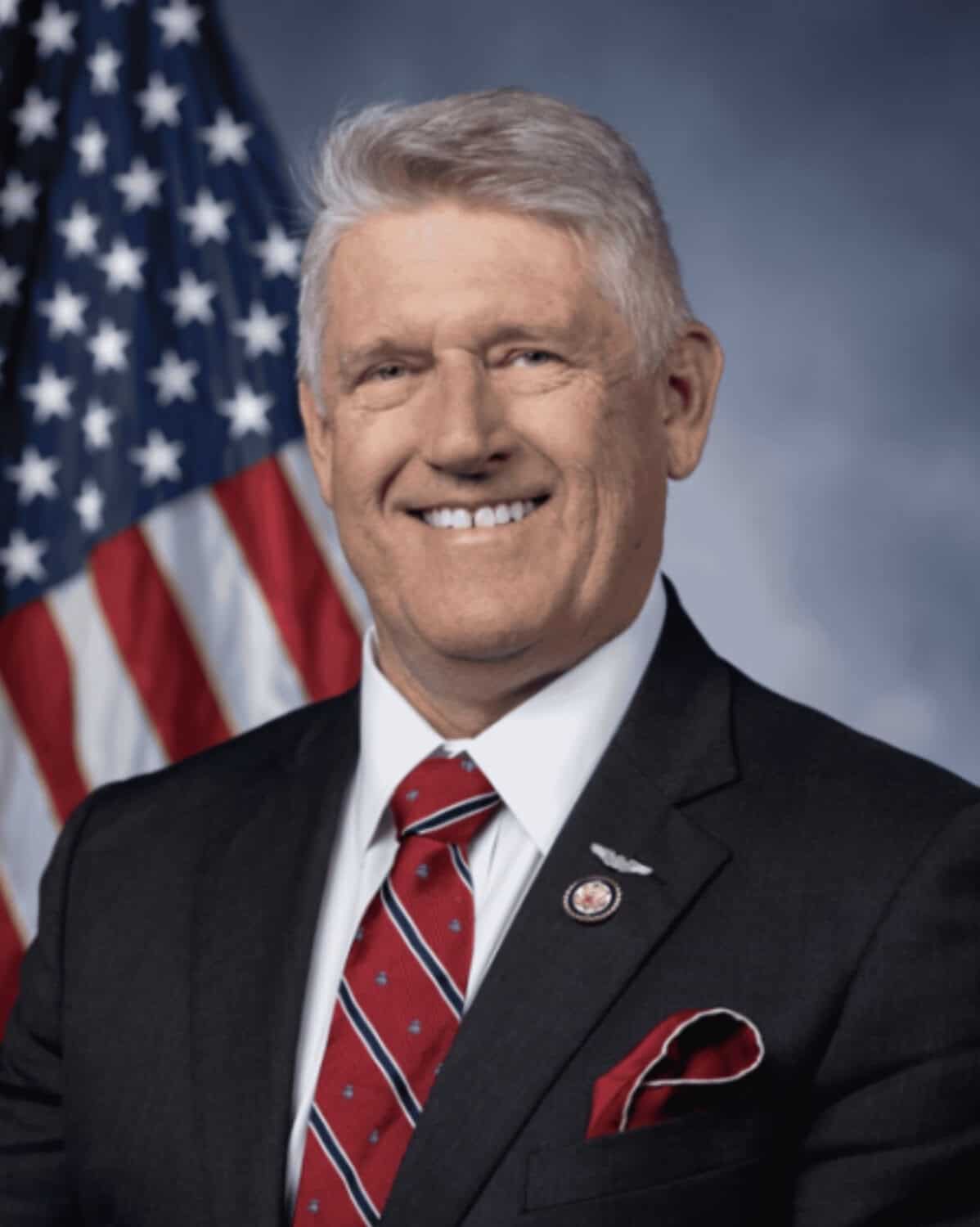
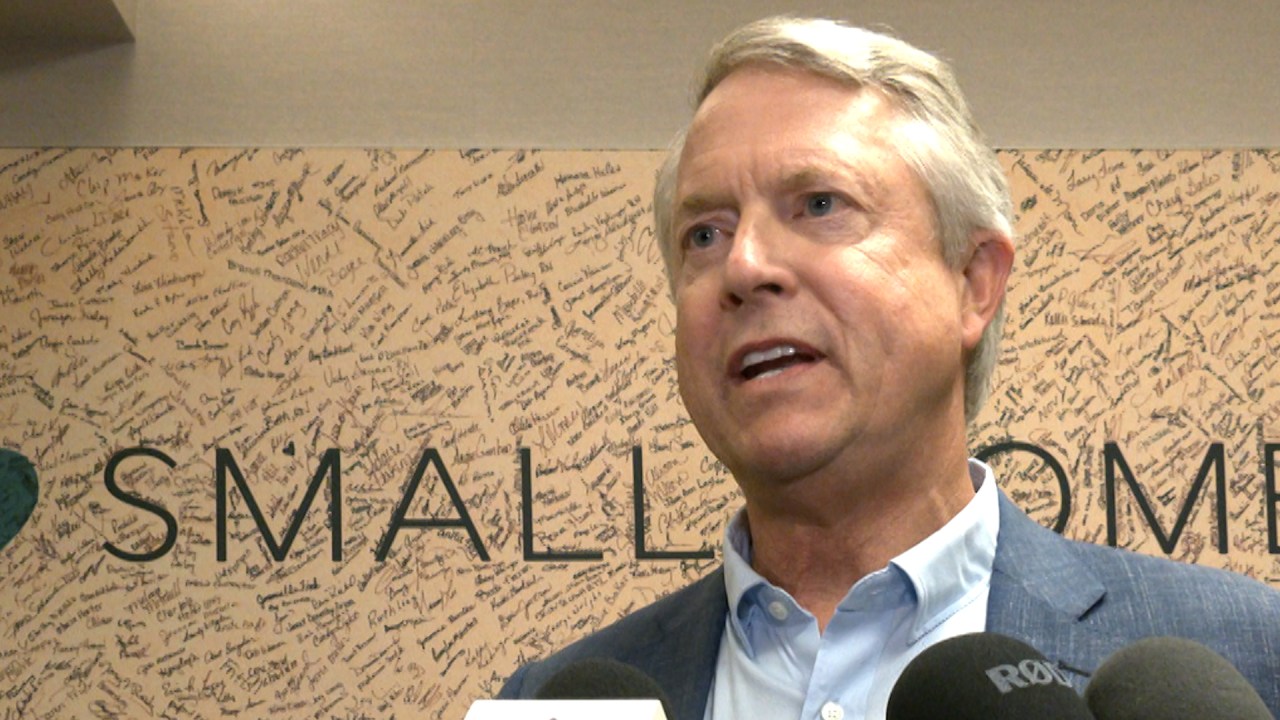
On September 25, Bryan Steil's congressional office sent constituents an email newsletter full of good news about health care in Wisconsin.
Wisconsin was getting "a $1 billion increase in federal Medicaid funding," it said — "the highest level of funding in state history." And a new federal rural health fund, it said, "provides an additional $50 billion annually."
Racine County Eye checked the numbers. The rural health fund is $10 billion a year, not $50 billion. And the newsletter left out the part that matters most to the people reading it: the same law Steil voted for is cutting Medicaid, and Wisconsin's own health department says about 63,000 adults in the state are at immediate risk of losing their coverage.
The $50 billion that's really $10 billion
Federal program documents for the rural health fund describe it as $50 billion over five years — that's $10 billion a year, not $50 billion.
Steil's own office knows this. Asked about it, a spokesman described the program as "$50 billion, $10 billion annually," according to Racine County Eye.
So the newsletter took a five-year total and told Wisconsin voters they'd get it every year.
That's not a rounding error. In a newsletter selling constituents on the law's health care record, a $10 billion fund dressed up as $50 billion makes the picture look a lot better than it is.
Where the $1 billion really came from
Steil's $1 billion number does hold up, the fact-check found: Wisconsin's nonpartisan Legislative Fiscal Bureau estimated about $1.22 billion a year in new federal matching money for hospitals.
But it isn't new money from Washington's generosity. It comes from a tax Wisconsin's hospitals pay. The 2025-27 state budget raised that tax from about $420 million a year to $1.51 billion, and federal matching dollars follow it. Gov. Tony Evers signed that budget on July 3, 2025.
The very next day, Trump's budget bill — the one Steil voted for — froze these hospital taxes in every state at whatever was already on the books as of July 4. Wisconsin got in under the wire by one day. Had federal officials not accepted that it did, the Fiscal Bureau warned in a July 2026 memo, the state faced a Medicaid shortfall of "nearly $800 million over the biennium."
Steil's office says he and other House Republicans fought for the language that let Wisconsin keep its increase. The Wisconsin Hospital Association does credit him, along with the Evers administration. But the money is there because the state raised its own hospital tax in time — and it was the deadline in the law Steil backed that left the increase in doubt for months.
And it doesn't last. Starting January 1, 2028, the same law forces the biggest piece of these extra hospital payments to drop 10 percentage points a year, according to a state health department presentation. The hospital association says the reductions will cut into the new money.
What the newsletter left out
The newsletter listed gains. It didn't mention what the law takes away.
- The biggest Medicaid cut ever. Nationally, the law cuts federal Medicaid spending by about $911 billion over ten years, KFF estimates from Congressional Budget Office figures. KFF's Robin Rudowitz called it "the biggest rollback in federal support for the Medicaid program in the history of the program."
- A work requirement for about 200,000 Wisconsinites. Starting in 2027, BadgerCare members ages 19 to 64 with no child under 19 at home must report at least 80 hours a month of work, training or volunteering. The state health department estimates about 63,000 are at immediate risk of losing coverage. In Racine County alone, 7,441 members fall in the affected group.
- Less back coverage. Starting in 2027, new Medicaid members get two months of retroactive coverage instead of three.
- Millions uninsured nationally. The Congressional Budget Office projects the work requirement alone will leave 5.3 million more people uninsured in 2034.
Steil's office told Racine County Eye the work requirement will "save taxpayers $317 billion over the next ten years." That's the CBO's number — for the same provision CBO says will leave those 5.3 million people without insurance.
The questions his office wouldn't answer
Racine County Eye sent Steil's office follow-up questions on September 30 and again on October 2. The office didn't answer six of them, including:
- What the newsletter's "10% increase" was measured against.
- What backed up "the highest level of funding in state history."
- How Steil answers the state's estimate that about 63,000 Wisconsin adults are at high risk of losing coverage.
- Whether he voted for the law.
He did. The House roll call shows it.
His office also told the paper Wisconsin has a long history of work requirements. It does — in other programs, like FoodShare. But Wisconsin has never run a Medicaid work requirement. A version approved in 2018 never took effect and was revoked in 2021.
At a telephone town hall in August 2025, Steil called the budget law "a big step forward" and said he would have liked "additional cost savings." He described the 63,000 adults the state flagged as people "not currently reporting" that they work. The state describes them as at "immediate risk" of losing coverage.
A pattern
This isn't the first time Steil has taken credit for money tied to a law in a way the record doesn't support. In August, we reported that he said he was "proud to have worked to bring" Wisconsin $94.3 million for lead pipes — from a law he voted against.
What the fact-check found
Bryan Steil's September 25 newsletter told constituents a federal rural health fund "provides an additional $50 billion annually"; it is $10 billion a year, and his own office described it that way when asked. The $1 billion Medicaid increase he touted comes from a hospital tax Wisconsin raised one day before the law he voted for froze such taxes, and that law starts cutting those payments in 2028. The newsletter didn't mention that the same law is the biggest Medicaid rollback in history, or that the state says about 63,000 Wisconsin adults are at immediate risk of losing coverage — and his office wouldn't say whether he voted for it.
Source
- Steil's $1 billion Medicaid claim holds up. His rural health figure doesn't. — Racine County Eye