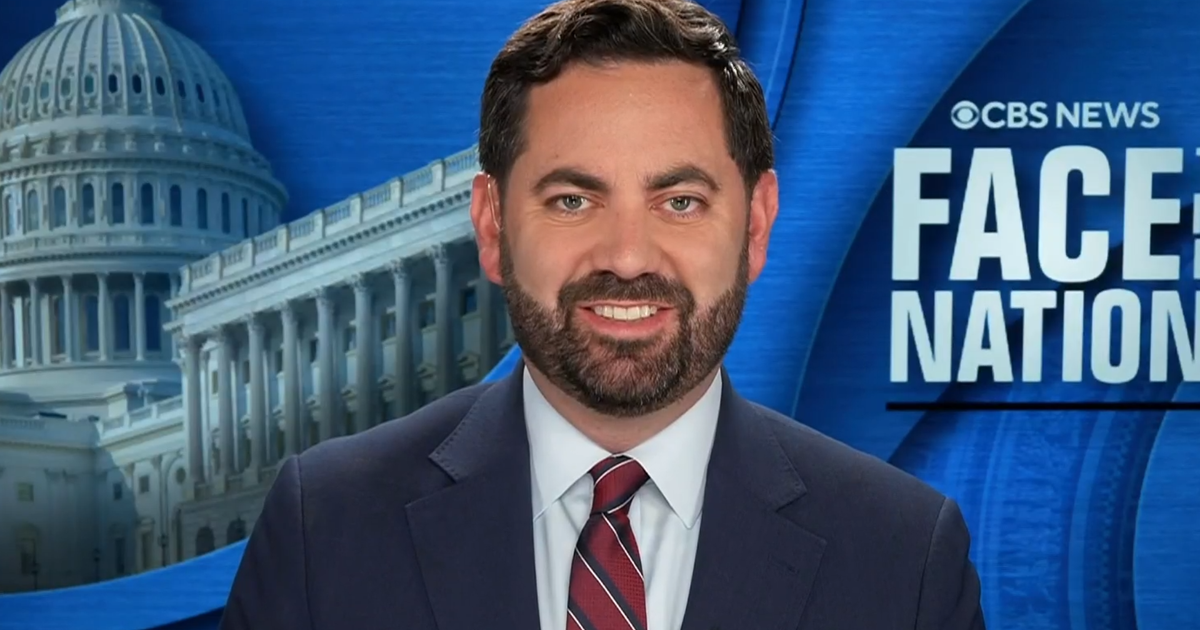
On Sunday's Face the Nation, two days before Election Day, Margaret Brennan put a number to Mike Lawler: Trump's budget bill was projected to leave about 860,000 more people in New York without health insurance through 2034.
"Well, respectfully, that's just — that's just not an accurate — that's just not an accurate number at all," Lawler answered, according to the CBS News transcript.
He didn't offer a better one. Instead he pivoted to a claim about New York's own Medicaid spending — and that claim was the one that wasn't accurate.
The 860,000 is in line with every estimate
Brennan identified it on air as the health research group KFF's number. The same 860,000 appears in a Center for American Progress analysis of the budget bill, which ranks New York fourth in the country for projected coverage losses by 2034, behind California, Florida and Texas. CAP says its state figures come from a KFF analysis.
KFF's brief, built on Congressional Budget Office estimates, lands on the same number. LeadingAge New York, the state's association of nonprofit senior-care providers, summarized it: about 860,000 New Yorkers losing coverage — 4% of the state — with a range of 640,000 to 1.1 million once you allow for uncertainty.
Nationally, the nonpartisan Congressional Budget Office estimates the law will leave about 10 million more Americans uninsured by 2034. KFF puts the total at 16 million more uninsured in 2034 once the lapse of the extra Obamacare tax credits and a related rule are counted.
Lawler voted for the budget bill when it passed the House by one vote in May 2025, and voted for it again on final passage in July.
The number he offered instead
Rather than dispute the estimate with one of his own, Lawler went after his state. "New York spends 80% more on Medicaid than the average of the other 49 states," he said. "Even Kathy Hochul admits they have waste, fraud, and abuse in the system with the CDPAP program that went from $10 million to $11 billion in three years."
CDPAP is New York's Consumer Directed Personal Assistance Program, which pays family members and friends to care for older and disabled people at home. Its costs really have exploded, and there are real fights over fraud in it. But Lawler's numbers aren't close:
- As far back as 2017, New York was already spending $1.3 billion a year on CDPAP, according to Step Two Policy Project research cited by the Fiscal Policy Institute — more than 100 times the $10 million Lawler described.
- In 2024, New York's own budget division said CDPAP spending had grown from $2.5 billion to more than $9 billion over five years, NBC New York reported.
So the program didn't go from $10 million to $11 billion in three years. It went from billions to more billions over the better part of a decade. Lawler shrank the starting point by a factor of more than 100 and squeezed the timeline, and then used that to brush off the coverage losses from a bill he voted for.
And notice what the pivot does. Even if every dollar of New York's home-care spending were wasted, it wouldn't change how many New Yorkers lose insurance under the federal law. Those are two different questions. Lawler answered the one he wasn't asked.
Twice in eight days
This is the second time in eight days Lawler has been caught overselling the budget bill. At a forum in Peekskill on October 24, he claimed he "delivered the largest tax cut in American history" and "no tax on Social Security" — claims PolitiFact rated Mostly False when other Republicans made them.
On Face the Nation he repeated "the largest tax cut in American history" again.
Lawler does deserve credit for one thing on the show: he said he would work with Democrats to restore the expired Obamacare tax credits that kept premiums down. But the coverage losses Brennan asked about come mostly from the budget bill's Medicaid changes, and he voted for that bill twice.
What the record shows
Asked on November 1, 2026, about an estimate that Trump's budget bill will leave about 860,000 more New Yorkers uninsured by 2034, Rep. Mike Lawler said it was "not an accurate number at all." That is the same number KFF's brief, built on Congressional Budget Office estimates, arrived at, within a range of 640,000 to 1.1 million. He then claimed New York's home-care program grew from $10 million to $11 billion in three years. It was already spending $1.3 billion a year in 2017, and grew from $2.5 billion to more than $9 billion in the five years before 2024.