Since 2025, Republicans in Congress have told voters to be patient with Trump's tariffs. Short-term pain, they said. Ride it out.
Their stock portfolios didn't wait.
A review of congressional financial disclosures by The Washington Sun, published Wednesday, found members of Congress sold off millions of dollars in shares of companies exposed to Trump's tariffs — "even as they publicly downplayed, praised or voted against ending the policies." The Sun confirmed each company's tariff exposure using earnings reports and SEC filings.
Several of them have pages on this site.
Praising the tariffs, selling the stocks
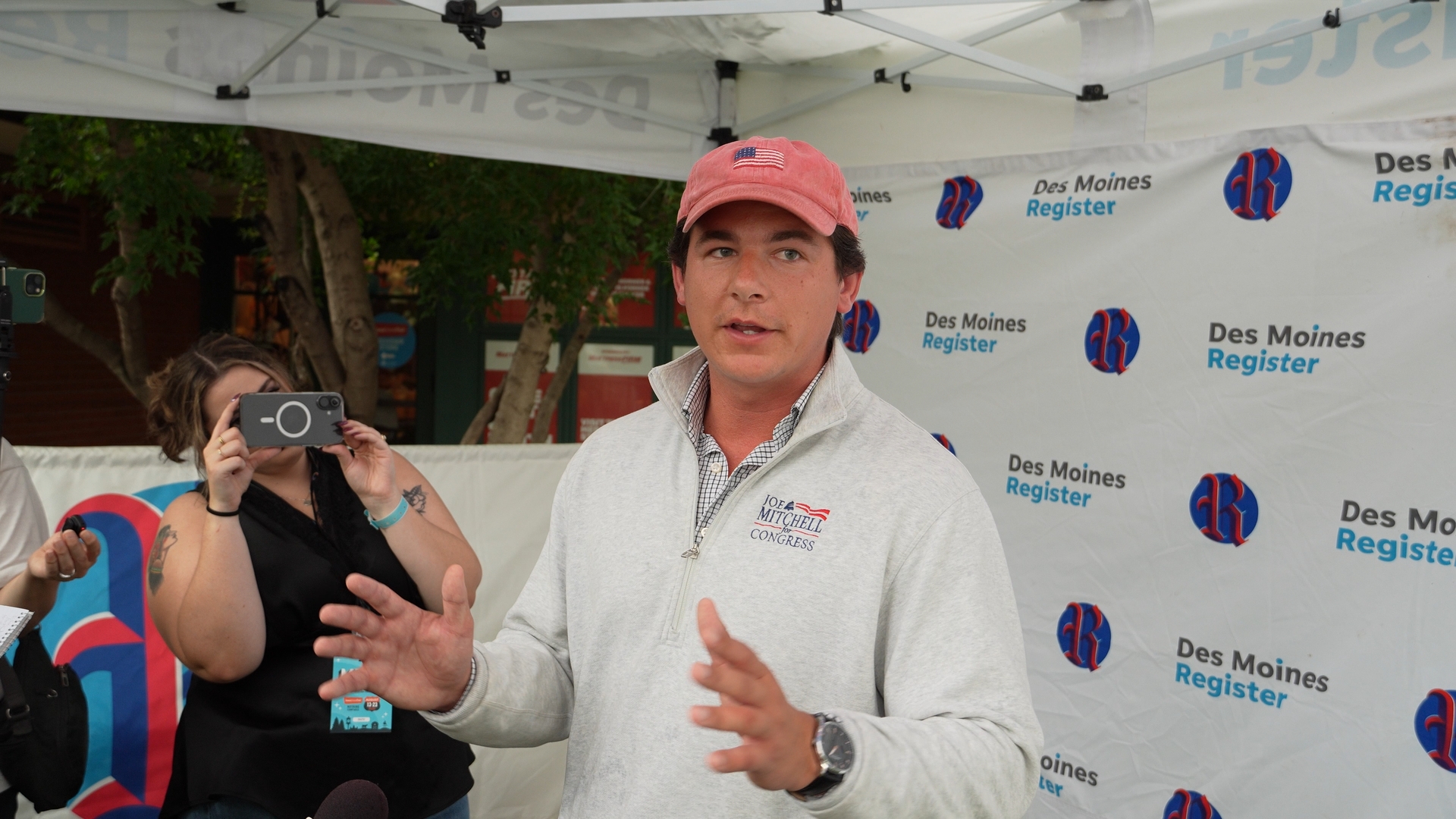
Tony Wied of Wisconsin had accounts that dropped at least $395,000 to $950,000 in tariff-exposed stocks this year, mostly in semiconductor companies — including at least $150,001 in Lam Research and $100,001 in AMD, through a jointly owned account. Trump put 25% tariffs on the semiconductor industry in January. Wied's account sold its Lam Research shares over nine days in February.
That same month, Wied told C-SPAN Trump was "doing the right thing, utilizing different tools to be able to use those tariffs, again, as leverage to do what's best for our country."
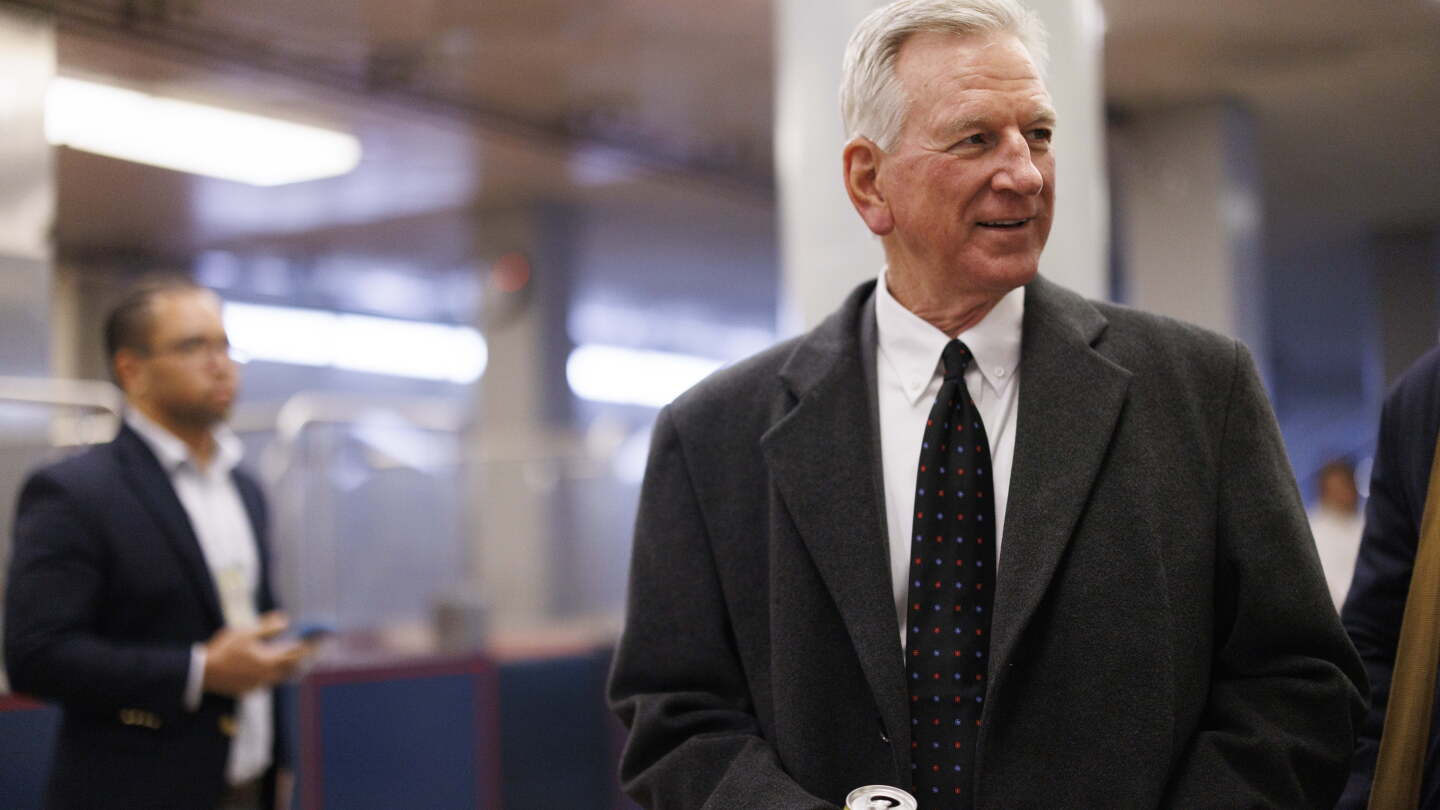
Tommy Tuberville of Alabama had at least $47,000 to $180,000 in tariff-exposed stocks dumped over a couple of days in June, most of it through a jointly owned account, the Sun found. In April 2025, he told Fox News, "we're going to have some short-term pain for long-term gain," and that Trump is "gonna do whatever it takes to usher in a Golden Age for the American economy."
Shelley Moore Capito of West Virginia: her husband sold at least $7,000 to $105,000 of his own tariff-exposed stock this year, including Broadcom, Intel and Apple. Capito has called the tariffs a "negotiating item" for the president. Last year she acknowledged the "uncertainty of this is starting to wear on people," but said "they're willing to ride it out with the president."
Tuberville and Capito didn't respond to the Sun. Wied's spokesperson said Wied "has zero involvement in his stock trading" and that an independent adviser makes all the decisions.
Three more names on the list
The Sun named other Republicans we've written about before:
- Tom Kean Jr. of New Jersey: accounts tied to him sold at least $90,000 to $475,000 in tariff-exposed stocks between January and August, half of the sales while he was absent from Congress earlier this year. We've reported how Kean mailed voters a taxpayer-funded promise to ban congressional stock trading while his portfolio kept buying.
- Jefferson Shreve of Indiana sold at least $1.47 million to $3.8 million in tariff-exposed stocks — Amazon, Costco, Walmart — between February and May 2025. We covered his 140 stock trades in 10 days as the tariff announcement crashed the market. His spokesperson told the Sun the sales were unrelated to tariffs.
- Rob Bresnahan of Pennsylvania dumped at least $74,000 to $935,000 in tariff-vulnerable stocks in late March and April 2025. He's the congressman who sold Medicaid stocks and then voted to cut Medicaid.
Why this matters
Several of these lawmakers say an outside adviser picks their stocks. Maybe so. But as the Sun put it, those advisers "routinely acted on behalf of their congressional clients in a way that shows the economic reality of tariffs differently from what Republicans have publicly insisted."
Everyone else got the higher prices. The Sun cites a Federal Reserve Bank of New York study finding 26% of the 2025 tariff hikes passed through to the prices consumers pay, and a Pew poll this month showing a majority of Americans expect the tariffs to have a mostly negative effect.
Most Americans support banning members of Congress from trading stocks. In July the House passed a bill to ban congressional stock buying. It died in the Senate, the Sun reports.
Adding it up
Tony Wied, Tommy Tuberville and Shelley Moore Capito publicly defended Trump's tariffs while accounts tied to them sold stock in companies the tariffs hit — at least $395,000 for Wied, $47,000 for Tuberville and $7,000 for Capito's husband, by the low end of the disclosure ranges. The Washington Sun found the same pattern in accounts tied to Tom Kean Jr., Jefferson Shreve and Rob Bresnahan, while consumers absorbed about a quarter of the tariff hikes in higher prices.