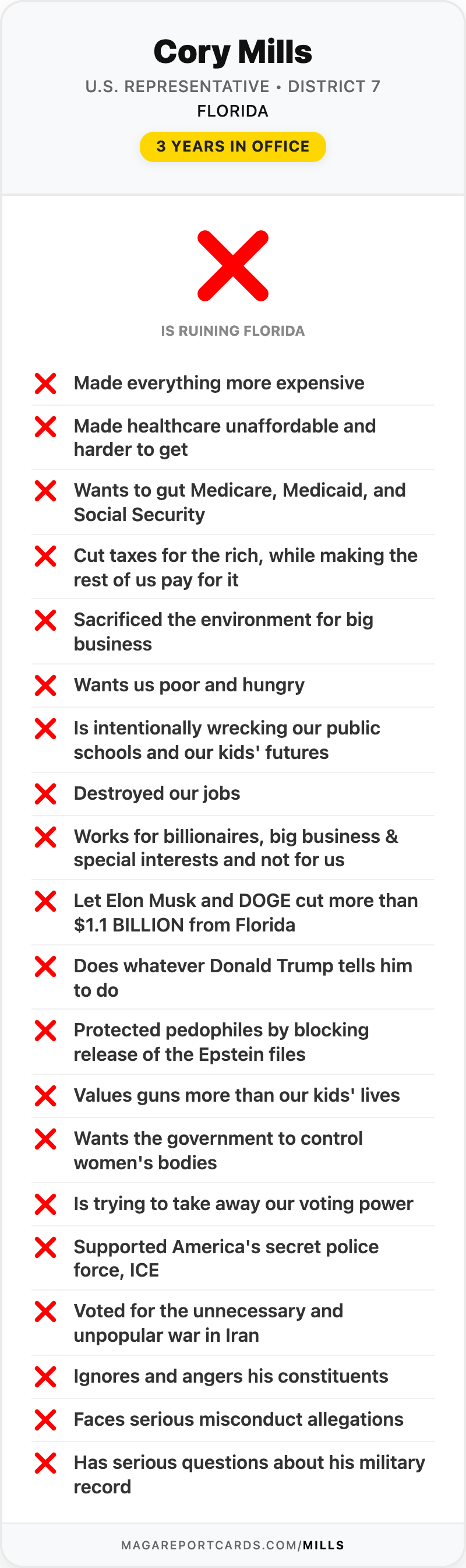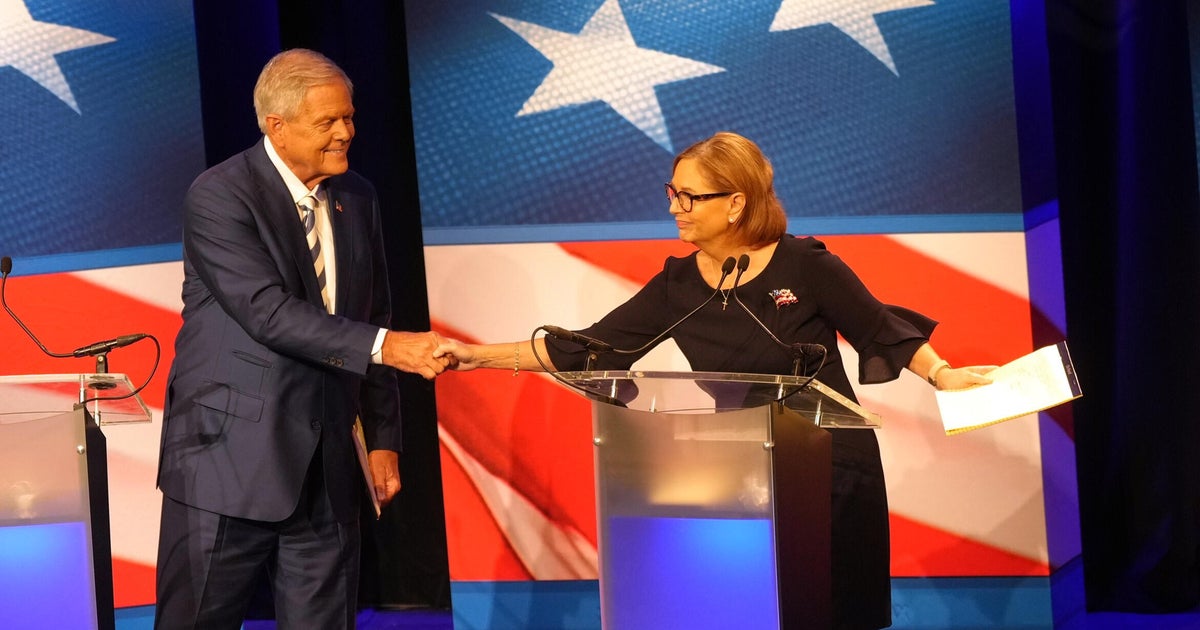
On August 5, at a Republican debate in New Smyrna Beach, a veteran running against Cory Mills for Florida's 7th Congressional District spent the night going after him over one thing. Michael Don Johnson, one of the challengers on stage, repeatedly clashed with Mills over accusations of stolen valor and his military service.
That was thirteen days before the primary. It was not a new accusation, and it is not one Mills has been able to make go away — because the people making it are the soldiers he says he saved.
What the paperwork says he did
Mills served in the Army from 1999 to 2003 with the 82nd Airborne Division, and deployed to Iraq in 2003. In 2021 — eighteen years later, and one year before he first ran for Congress — he was awarded the Bronze Star Medal.
The award paperwork, a Department of the Army Form 638, lists four achievements. The centerpiece is the one Mills built a political identity on: that under intense enemy fire he rushed to two wounded soldiers, gave them life-saving care "at great risk to his own life," helped get them evacuated, and saved their lives. Another, from a separate incident, says he pulled a sergeant away from an enemy insurgent who had grabbed him. The form also says he "routinely exposed himself to enemy fire" and displayed "extraordinary heroism."
It is the kind of citation a campaign is built on. Mills has used it that way.
The people who were there don't remember him
In 2025, NOTUS reporters Reese Gorman and John T. Seward tracked down the men named on that form. What they found is that five people who served with Mills dispute the account — including two of the three men the form credits him with saving.
Private First Class Joe Heit is one of the two soldiers the form says he pulled out under fire. He is the person the paperwork says Mills kept alive. Asked about it, Heit said:
"He didn't save my life. I don't recall him being there either."
Heit also said his wounds were not life-threatening — a bullet shattered his glasses and drove fragments into his eye — and that he was shot by friendly fire, not the enemy fire the form describes.
Sergeant First Class Chris Painter, the platoon sergeant, was blunter in a text message: "I can pretty much confirm 100% Cory Mills was not up at the bridges at the location of the everything." Painter named two other soldiers who helped with the medical evacuation. Mills was not one of them.
Hank Barbe, the medic, said the same thing about the evacuation of the other wounded soldier: "From what I understand about Mills is he might have been in the unit. I don't remember him being involved in the medevac."
And Sergeant First Class Joe Ferrand — the man the form says Mills rescued from an insurgent's grip — put it in writing. He called the account a "fabrication" and said the act "never took place." His words are quoted in a resolution now before the House: he "was not involved in any claims that Cory Mills makes about me."
A fifth soldier who was on the ground that day, speaking anonymously, backed up Heit and Painter.
The general whose signature is on it says he never read it
Mills's defense has been that he didn't write the form. "No soldier writes their own DA Form 638," he said. "It is a recommendation for award and soldiers cannot recommend themselves. The form must be reviewed and signed by commanding officers."
That defense rests entirely on the officer whose name is on the paperwork — retired Brigadier General Arnold N. Gordon-Bray. So it matters what he says about it.
Gordon-Bray told NOTUS he "approved his 638 as a complete the record" and that he didn't "care about" the listed achievements before signing, describing awards that came through in batches at a time when operations were constant. He was not directly involved with Mills during the deployment.
The House resolution puts it more starkly. It states that Gordon-Bray "has stated he did not personally write, read, or sign" the form recommending Mills for the Bronze Star.
So Mills's answer — the officers reviewed it — collapses into the officer saying he didn't review it.
Mills has conceded ground on the facts themselves. He acknowledged it was "true" that Heit "did not have life threatening injuries." On the rest, he says: "I was on the ground. It was a chaotic day and understandable that others may have different recollections of events." On Ferrand's flat denial: "Again, I was on the ground, but I'm not in position to dispute different recollections during chaotic wartime events."
Five people. Two separate incidents. Every one of them telling it the same way, and none of them remembering him.
It isn't just the Bronze Star
The same House resolution documents a second problem with how Mills has described his service. It states that his employment application to the military contractor DynCorp International said he served in the Army's 75th Ranger Regiment and attended Army Sniper School — "claims which are not corroborated by his military records."
The Ranger Regiment and Sniper School are not vague résumé padding. They are specific, verifiable schools and units, and the records don't back them up.
This is now a formal investigation
None of this is being litigated only in the press. In November 2025 the House Ethics Committee empaneled an Investigative Subcommittee to examine six categories of alleged misconduct by Mills. By May 2026 that subcommittee had "authorized more than 20 subpoenas" and collected thousands of documents, calling the allegations "serious and complex."
A complaint over the Bronze Star claims went further than Congress. NOTUS reported it was filed with the Office of Congressional Ethics, the Justice Department, the U.S. Attorney's Office for the Middle District of Florida, and the FBI — and that a source said the Army's Criminal Investigation Division and the FBI came asking questions. Mills said he was not aware of any investigation regarding his Bronze Star.
Separately, the Justice Department is now criminally investigating Mills, NBC News reported in July. He denies that too.
Why this one is different
Plenty of politicians embellish. This is a narrower and uglier thing.
A Bronze Star with valor is awarded for what someone did for the people next to them. When the paperwork says a soldier's life was saved, the story belongs to that soldier too — and Joe Heit has spent years being told he was rescued in a way he says never happened. Joe Ferrand had to write out a statement calling an account of his own near-capture a fabrication.
Compare it to how another Republican in this House talks about the same medal. Pat Harrigan of North Carolina lists two Bronze Star Medals in his official biography — and we've written about how quickly he abandoned the accountability those medals are supposed to stand for. The point isn't that the award makes anyone good. It's that the award is supposed to mean something specific happened, and the men who were there are the ones who know.
The bottom line
Cory Mills is asking Florida's 7th District to send him back to Washington on August 18. He is doing it while under a House Ethics investigation, a reported federal criminal investigation, and a challenge from members of his own party — two fellow Florida Republicans have endorsed his primary opponent, and former Florida House Speaker Paul Renner, now running for governor, has said Mills "is a disgrace to the Republican brand and should call his campaign quits."
And he is doing it on a war story that five of the men who were there say isn't his.
Real soldiers earned those medals. Voters in Florida's 7th deserve a representative whose record holds up when the people who lived it are asked about it.
Source
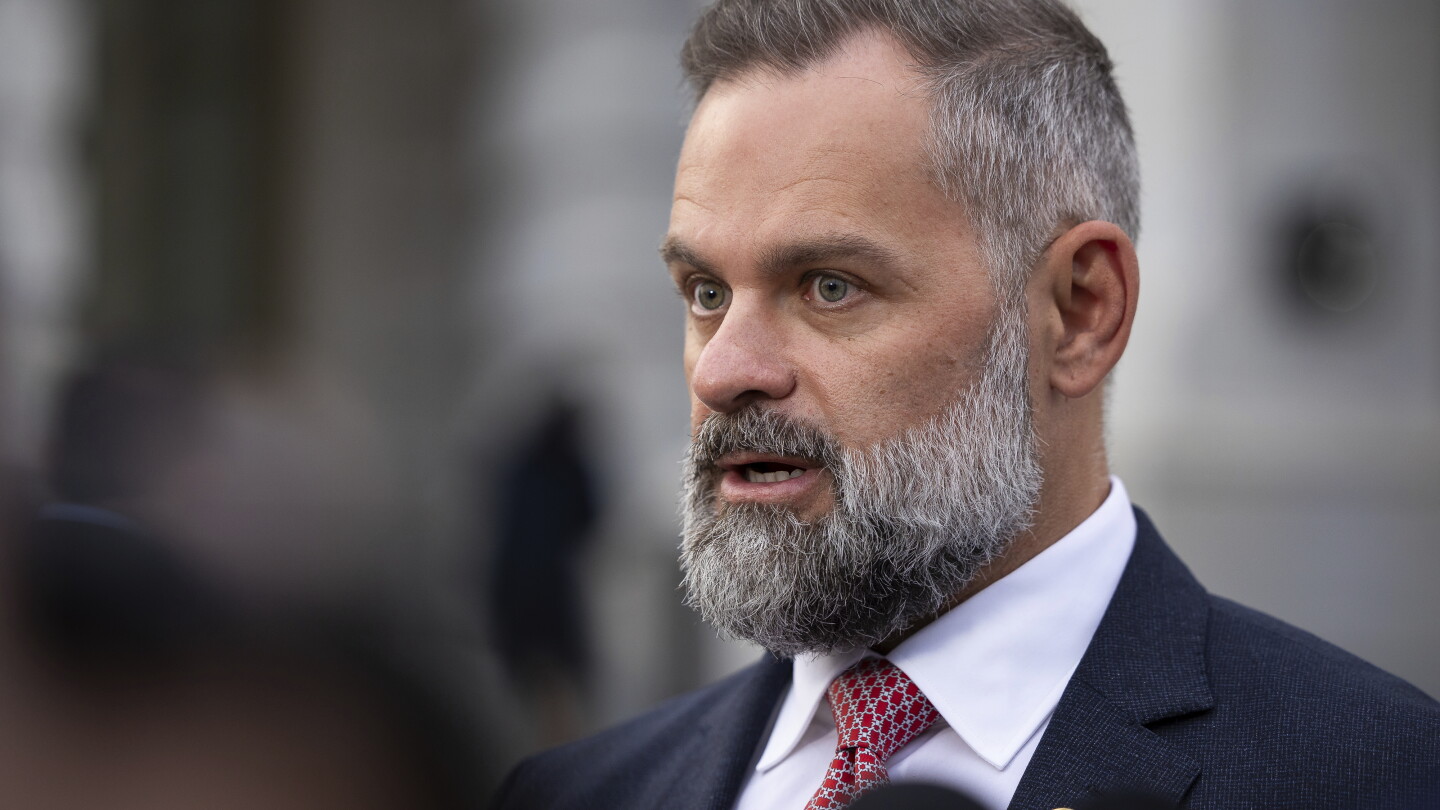
- "He Didn't Save My Life": Veterans Question Rep. Cory Mills' Bronze Star — Reese Gorman and John T. Seward, NOTUS. Photo: AP, via NOTUS.
- H.Res. 893 — Censuring Representative Cory Mills of Florida — 119th Congress
- Cory Mills Says He'll Vote for Donalds, Ryan Elijah Noncommittal in Governor's Race — The Floridian, August 2026 (District 7 debate coverage)