In nine counties of southern West Virginia, people don't drink what comes out of the tap.
Families in Boone, Fayette, Lincoln, Logan, McDowell, Mercer, Mingo, Raleigh and Wyoming counties report skin rashes, cancers, and water that stains their clothes and ruins their appliances. Some pay hundreds of dollars a month for bottled water on top of the water bill they already can't use the water from. In 2024, West Virginia had the country's highest percentage of public water systems with health-based federal Safe Drinking Water Act violations — 29.2%.
All nine of those counties are in Carol Miller's district.
What she asked for
In May 2026, Miller and fellow West Virginia Rep. Riley Moore submitted appropriations language asking for $250 million in targeted federal water funding, with at least half of it directed to those nine southern coalfield counties. Nearly 40 organizations and nine West Virginia state lawmakers from both parties signed the letter backing the request.
The need is not in dispute. The highest-ranked projects in those counties carry a combined price tag of over $291.9 million, and only about $139.1 million of that can be covered by the state revolving fund. Statewide, West Virginia's drinking water needs run to roughly $1.73 billion across its 414 community water systems.
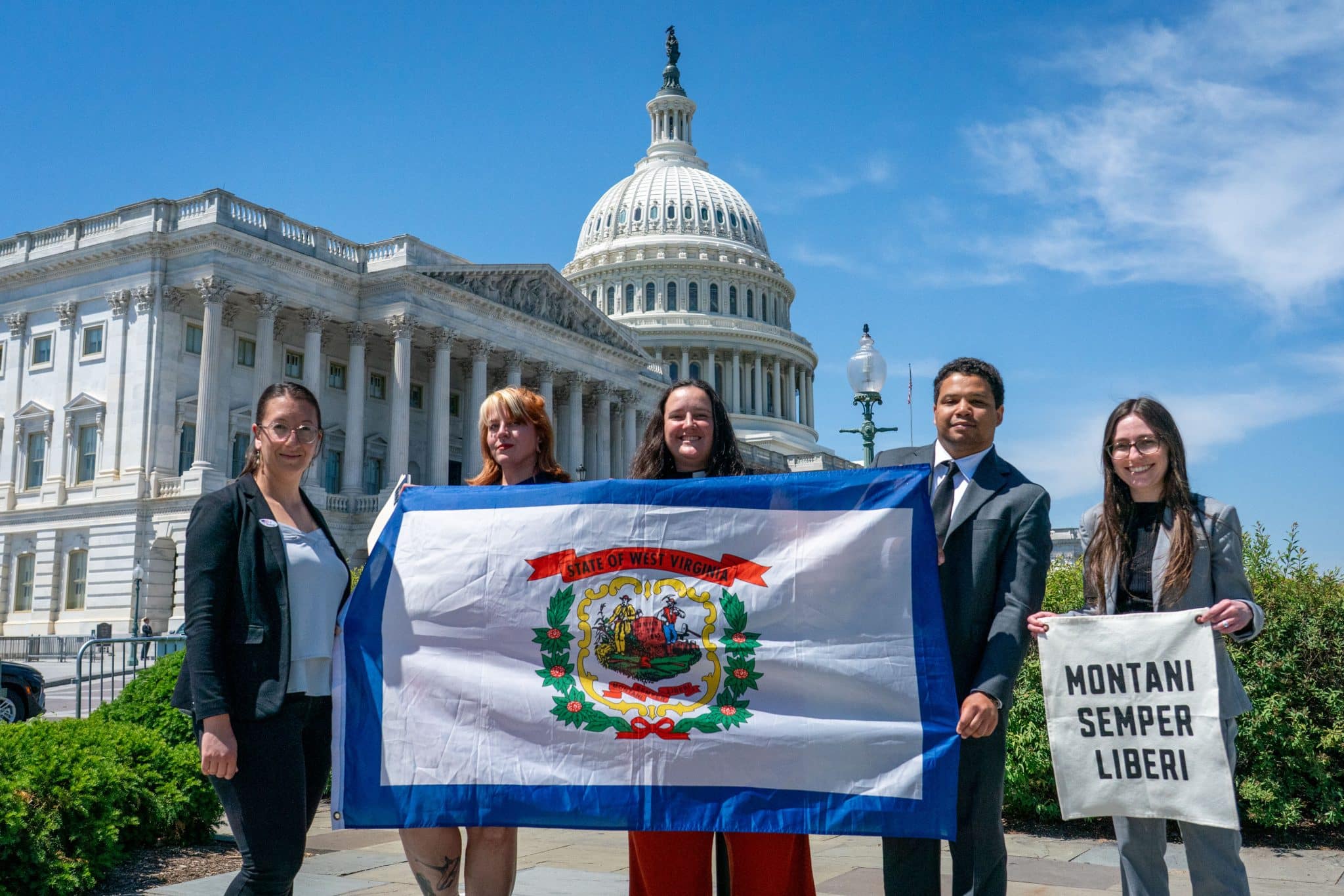
"This is a public health emergency," said Caitlin Ware, co-director of the group From Below. "Loss of fire services, skin rashes and unsafe drinking water are dangers southern coalfield communities need not endure any longer."
What happened to it
On May 20, 2026, the House Interior and Environment Appropriations Subcommittee released its draft funding bill for the next fiscal year. The $250 million wasn't in it.
"We are deeply disappointed that the subcommittee did not include the funding for Southern West Virginia communities as requested," said Quenton King of Appalachian Voices.
Two weeks later, at the full committee, Moore offered a scaled-down amendment — $50 million, one-fifth of the original ask, with a 25% state match attached. Mike Simpson of Idaho, who chairs the Interior, Environment and Related Agencies subcommittee, said he "fully admit[ted]" the need but argued the proposal hadn't been "properly vetted" by other panels that advance funding plans — like his. It failed on a voice vote.
"Let's not abandon these folks," Moore said on the record. "Let's not forget them. These are American citizens that literally do not have water."
The same bill that couldn't find $50 million for West Virginia water cut capitalization grants for state revolving funds and performance partnership grants — the main federal pipeline for exactly this kind of project — by roughly $683 million, nearly 16% below the Fiscal Year 2025 level.
Rev. Caitlin Ware's assessment of the result: "It's abandonment on full display, and the blood is on their hands."
The part Miller doesn't mention
Here is what makes this Miller's story and not just a bad week in an appropriations markup.
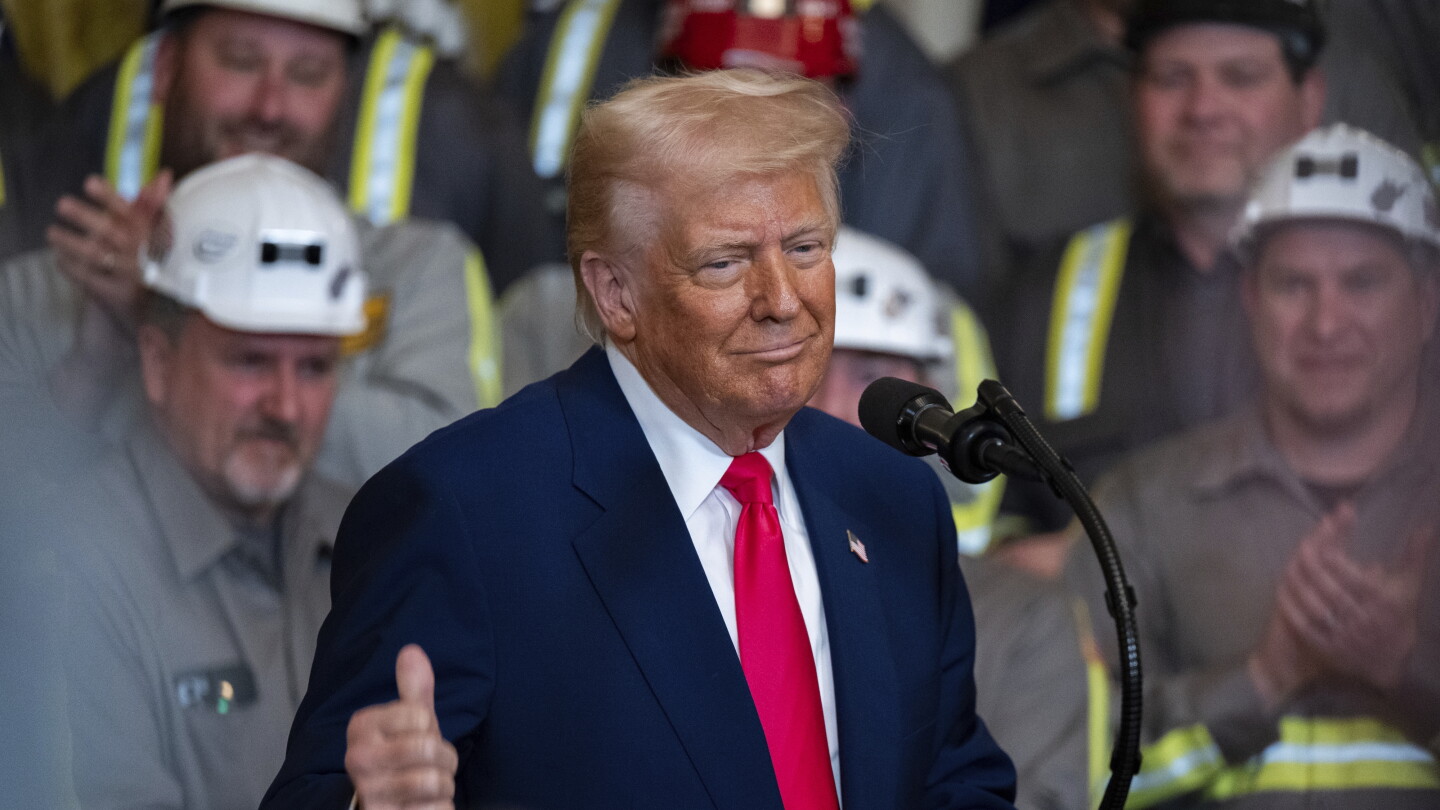
The fund she was asking to draw from is an EPA grant program the Trump administration has proposed cutting to roughly one-fifth of its current size over the last two budget cycles, as Mountain State Spotlight reported in May. She is asking a fund to pay out while her own party's president works to drain it.
And she voted against filling it in the first place.
On November 5, 2021, the House passed the Infrastructure Investment and Jobs Act. Miller voted no. That law sent more than $50 billion to the EPA for water infrastructure — by the agency's own description, "the single largest investment in water that the federal government has ever made." The money flows through the state revolving funds. It is the same account the coalfield request was aimed at.
Eight months earlier, on March 10, 2021, the House had passed the American Rescue Plan Act, the other law that sent West Virginia significant water money. Miller voted no on that one too.
Mountain State Spotlight's Henry Culvyhouse put the pattern plainly: Miller voted against two Biden-era spending bills that helped expedite water projects in her own state, then turned around and asked the federal government for water money. Those are the two, and between them the state is projected to receive almost $1 billion for water and sewer work.
Her office's answer:
"Congresswoman Miller is committed to being a good steward of taxpayer dollars and believes that spending an efficient amount of tax dollars to build infrastructure projects that deliver clean water to our communities is a good use of money."
That is a description of a bill she voted against.
What she did get
To be fair to Miller: the draft bill does contain $8.3 million in Community Project Funding for 10 water and wastewater projects she requested. That is real money and it will help real towns.
It is also about 3% of what she said the coalfields need, and less than a hundredth of the statewide gap. Earmarks for ten projects are what a member gets when the underlying program is being cut. They are not a substitute for the program.
The record underneath
Miller has a 0% score from the League of Conservation Voters for 2025 and 5% lifetime — not one pro-environment vote last year.
Her campaign account tells the same story. Through March 31 of this election cycle she had raised more than $1.38 million, with $977,388 of it from political committees against $418,353 from individual donors, according to a Charleston Gazette-Mail analysis of her FEC filings. The named energy donors in that filing include the employee PACs of Sempra Energy and Duke Energy, ConocoPhillips's Spirit PAC, the American Exploration & Production Council's US Energy PAC, West Virginians for Coal, and the president of the West Virginia Coal Association.
The bottom line
There is a version of this story where a member of Congress fights the cuts, loses, and can at least say she tried. Miller didn't lose that fight — she was on the other side of it, twice, in 2021, before the water crisis was a line item anybody was fighting over.
Nine counties in her district have been living with this for decades. The federal money that would have started fixing it existed, passed the House, and became law without her vote. Now the program is being cut, the earmark request was denied, and her constituents are still buying water at the store.
We deserve better.
Sources
- "Water advocates and lawmakers urge Congress to appropriate funds to address legacy water issues in West Virginia" — Appalachian Voices, May 7, 2026
- "House Appropriations Subcommittee declines to fund Southern West Virginia water needs in draft funding bill" — Appalachian Voices, May 20, 2026
- "House appropriations committee rejects amendment to fund West Virginia water needs" — Appalachian Voices, June 3, 2026
- Henry Culvyhouse, "Riley Moore and Carol Miller asked for clean water money from a fund Trump wants to cut" — Mountain State Spotlight, May 24, 2026
- Mike Tony, "'Abandonment': Outlook dims for southern WV water funding boost despite mounting need" — HDMedia, June 14, 2026
- Photo: Jay Mallin / Appalachian Voices