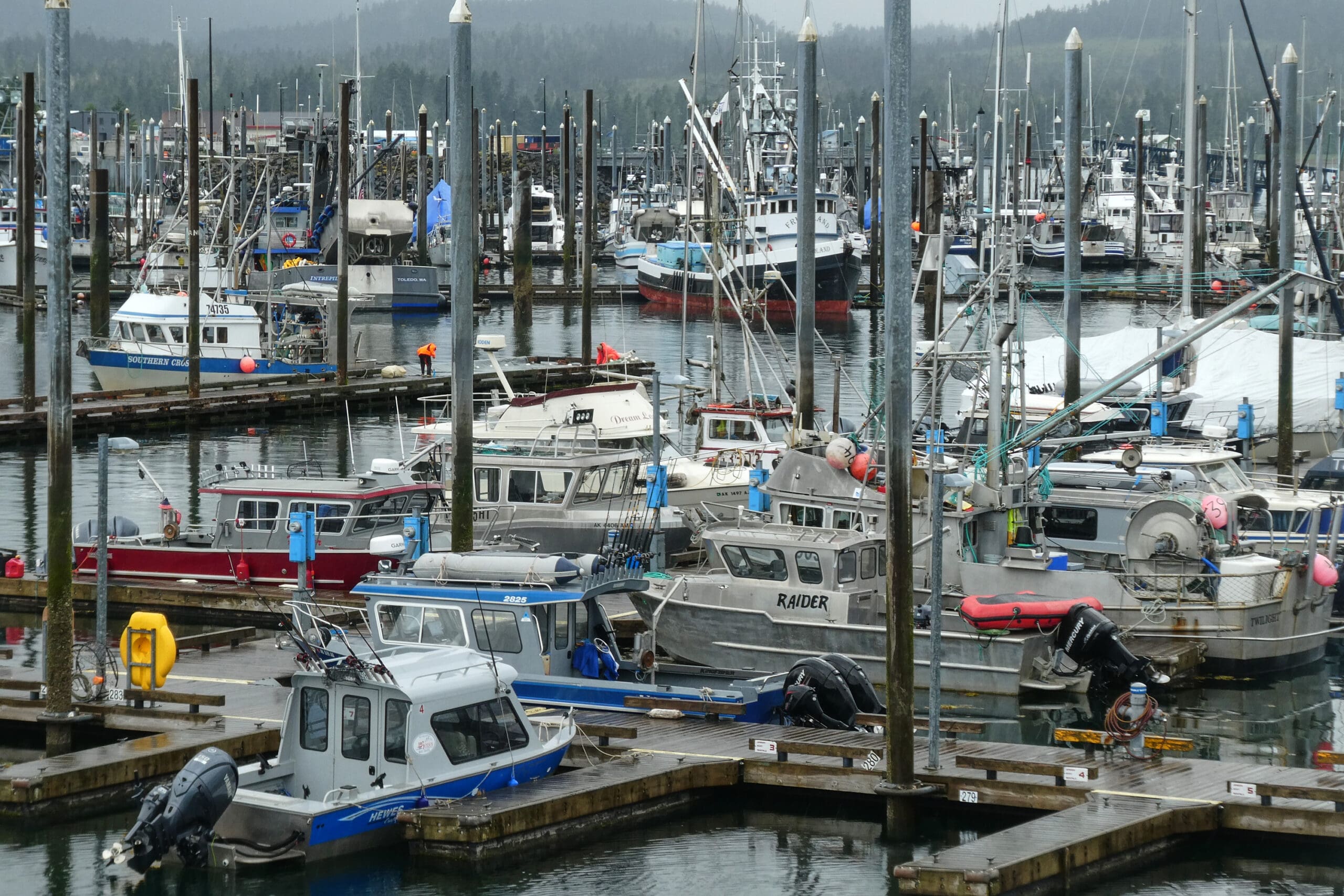
Coastal Virginia in August is not a metaphor. It is the kind of heat and humidity that makes the air feel like a wet towel, and thousands of people in Virginia's 2nd District work all day out in it — roofers, landscapers, dock workers, farm hands, delivery drivers, and the people loading trucks in warehouses that don't have air conditioning.
There is a federal rule waiting to be finished that would require their employers to give them cool drinking water, access to shade, and mandatory rest breaks when the heat gets dangerous.
Jen Kiggans co-sponsored a bill to stop it.
What HR 6213 does
The bill is H.R. 6213, the Heat Workforce Standards Act of 2025, introduced by Rep. Mark Messmer of Indiana on November 20, 2025. It would bar the Secretary of Labor from finalizing, implementing, or enforcing the proposed federal heat standard.
Kiggans signed on as a co-sponsor the same day it was introduced — November 20, 2025. She is one of 64 co-sponsors.
On July 21, 2026, the House Education and Workforce Committee voted the bill out of committee, 18 to 15, along party lines.
The rule it targets is not exotic. As Dani Loesch and John Luker laid out in the Daily Press — Loesch is a Kroger receiver and a member of UFCW Local 400, Luker chairs the Sierra Club's Coastal Virginia Group — the standard would require employers to provide water, shade, and rest breaks when temperatures become hazardous.
Water. Shade. A break.
What the heat is already doing
The federal numbers come from the Bureau of Labor Statistics, and OSHA's proposed rule collects them: an average of 3,389 heat-related injuries and illnesses a year serious enough to cost a worker days away from work, across 2011 through 2020, and an average of 34 deaths a year from heat on the job between 1992 and 2022 — 43 of them in 2022 alone.
Those numbers are almost certainly low. Heat kills indirectly — it triggers the heart attack, it causes the fall from the ladder, it clouds the judgment before the machine takes the hand. Those get recorded as cardiac events and falls and machine accidents. OSHA says so itself in the rule: a heat death "may be historically excluded" from the federal count because "cause of death is listed as cardiac arrest," or because "a worker faints due to heat exposure, falls from a height, and subsequently suffers a fatal traumatic injury." Heat also impairs "complex cognitive function" and decision-making, and the resulting injuries "are not currently factored into official statistics." The agency's conclusion is that the reported figures "likely do not capture the true magnitude."
There is no federal heat standard right now. That is what the proposed rule would fix, and that is what H.R. 6213 would stop.
Who asked for this
Not workers. Nobody who spends a July afternoon on a roof in Virginia Beach is lobbying Congress for the right to be denied a water break.
The bill is an employer bill. Blocking the rule means employers face no federal requirement to provide shade or paid rest time on a 100-degree day, and no federal enforcement if they don't. The cost of the rule falls on employers. The cost of killing it falls on the people working outside.
Kiggans is not alone in this. Byron Donalds, running for governor of Florida, co-sponsored the same bill — he signed on in January 2026. All 64 co-sponsors are Republicans, and Virginia's 2nd District is on the wrong end of it.
The rest of her record on this
Kiggans has built a reputation as a moderate in a swing district. On the things that decide whether her constituents can afford to live, the record is less moderate than the branding.
She voted for Trump's budget bill, which the Daily Press column notes cut clean energy investment and raised healthcare costs. As a Virginia state senator in 2020 she was one of 16 votes against capping payday and title loan rates at 36%, in a region built around the Navy. And in July she claimed her opponent made $21 million insider trading — an accusation her campaign could not back up when the New York Times asked about it.
Now she's on a bill to keep the federal government from telling an employer to hand a worker a bottle of water.
What this looks like in the 2nd District
Virginia Beach and Norfolk are getting hotter and staying hotter longer. The people most exposed are the ones with the least power to ask for a break — hourly workers, day laborers, people without a union contract, people who can be replaced by lunchtime for complaining.
A federal standard exists precisely for those workers. An employer who already gives people shade and water loses nothing under the rule. The rule only bites where somebody isn't doing it.
Kiggans co-sponsored the bill to make sure nobody has to.
What the record shows
Jen Kiggans co-sponsored H.R. 6213 on November 20, 2025, the day it was introduced. The bill would bar the Secretary of Labor from finalizing, implementing, or enforcing the first federal workplace heat standard — a rule requiring cool water, shade, and mandatory rest breaks when heat becomes hazardous. The committee advanced it 18-15 on party lines in July 2026. Federal data counts an average of 3,389 heat-related injuries and illnesses a year that cost workers days away from work, and an average of 34 heat deaths a year on the job, and OSHA says both figures are undercounts.
Sources
Column: Heat threatens workers' health. Kiggans wants to block relief. — Dani Loesch and John Luker, Daily Press, August 24, 2026 (guest opinion column). Photo via Daily Press.
H.R. 6213, Heat Workforce Standards Act of 2025 — sponsor, co-sponsors, dates and committee vote, Congress.gov.
Heat Injury and Illness Prevention in Outdoor and Indoor Work Settings — OSHA proposed rule, 89 Fed. Reg. 70698, August 30, 2024.