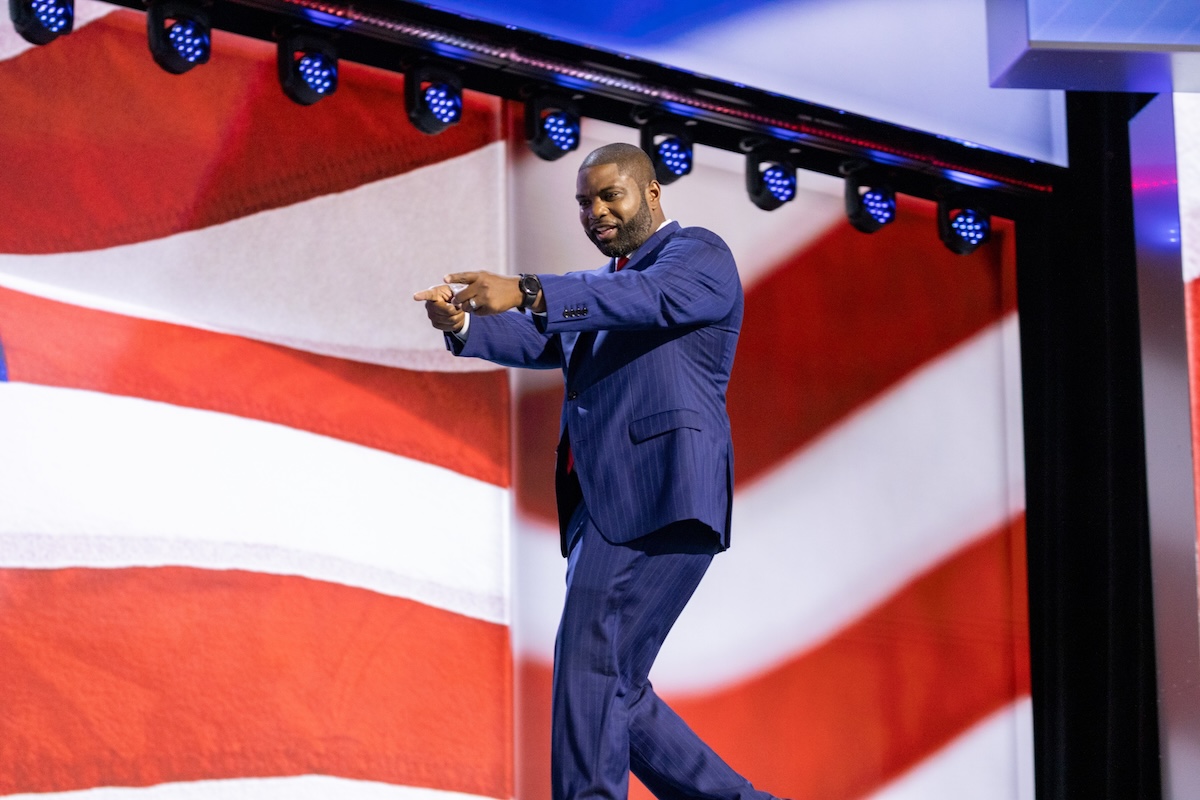
On Friday, November 13, Mark Harris brought a House Education and Workforce Committee hearing to Charlotte. Its title was "Workers in Charge: Restoring Choice and Accountability in the Workplace." In a press release afterward, his office said the hearing focused on "protecting workers' rights and holding union leadership accountable."
"For too long, Democrats have prioritized the interests of powerful union leaders over the hardworking men and women those unions are supposed to represent," Harris said. "It is time to put American workers first, not union bosses."
The hearing was a showcase for two bills Harris wrote. The country's largest union federation opposes both.
What his bills would actually do
Harris introduced the bills in November 2025 with fellow Republicans Bob Onder and Randy Fine, as part of a package his office billed as a crackdown on "out-of-control union bosses".
The bigger one is the Ask the Union Members Act. It does two things:
- It makes some strike authorizations illegal. A union that authorizes a strike without first winning a majority in a secret-ballot vote of its members would be committing an "unfair labor practice" — a violation of federal labor law that can be taken to the National Labor Relations Board.
- It controls how contracts get approved. A union couldn't sign a contract unless a majority of its members ratified it by secret ballot, with the contract handed to every member at least 72 hours before the vote.
The second bill, the Fair Access to Justice for Union Members Act, strikes the part of federal law that lets a union require members to use its internal appeals process — for up to four months — before suing it.
Harris sells all of this as giving workers a voice. But workers already have one, and it's their union.
What the unions say
The AFL-CIO, the country's largest federation of unions, laid out its objections in a December 2025 letter to the House subcommittee that handles these bills. Its verdict on the strike provision was blunt: it "would undermine the union and its members' right to strike and empower employers to scuttle attempts to strike."
The federation made three main points:
- Workers already vote. Most unions already require, by their own constitutions or practice, a vote before a strike and a vote to ratify a contract. And there's no reason to call a strike workers don't support, the letter says, because "such a strike would fail."
- It would drag fights out and drag them into court. The new rules "would drag out disputes (to the detriment of employers, unions, and workers)" and "lead to protracted litigation over whether contracts were properly ratified or a strike vote was properly taken." That cuts against the whole point of national labor law, which is to settle disputes quickly.
- It's badly written. The contract provision is worded so broadly, the AFL-CIO says, that a union would have to hold a secret-ballot vote of all its members to ratify any contract — even members the contract doesn't cover.
On the lawsuit bill, the federation says union appeals "often reverse decisions made by unions, resulting in favorable outcomes for the member, and without the need for the member to file a lawsuit and pay related costs and fees." Cutting them out, it argues, "will make it harder for union members seeking change."
Its bottom line on the whole package: each bill "fails to advance union members' rights in any meaningful fashion" and imposes "by fiat" changes on rules that members adopted democratically themselves.
Whose side this is on
Today, whether a strike vote was run properly is a question for a union's own members and its own rules. Under Harris's bill, it becomes a question of federal labor law — the opening the AFL-CIO warns employers would use to scuttle strikes.
Harris isn't the only Republican on our report cards going after unions. Tom Tiffany called union leaders "kingpins" and was the only member of the House to skip the vote on workers' right to organize. Stephanie Bice wrote a bill to stop the government from preferring contractors who pay union wages. We've collected the Republicans with the worst records on workers and unions in one place.
What the record shows
Mark Harris chaired a House hearing in Charlotte on November 13 to promote two of his own bills. One would make it a federal unfair labor practice for a union to authorize a strike without a majority secret-ballot vote, and would set new legal rules for approving contracts. The other would cut out unions' internal appeals before members sue. The AFL-CIO says the strike provision would "empower employers to scuttle attempts to strike," that the strike-and-contract bill would drag out disputes and invite litigation, and that both bills impose changes "by fiat" on rules workers adopted democratically.