On Thursday, August 6, 2026, Governor Abigail Spanberger announced she would intervene in the case that will decide whether Florida's biggest utility gets to buy Virginia's.
No Virginia governor appears to have done it before. The State Corporation Commission's spokesman told VPM News he wasn't aware of a previous instance. Spanberger said she was doing it for three reasons: making energy more affordable for families and small businesses, protecting utility workers, and developing clean, local, affordable energy.
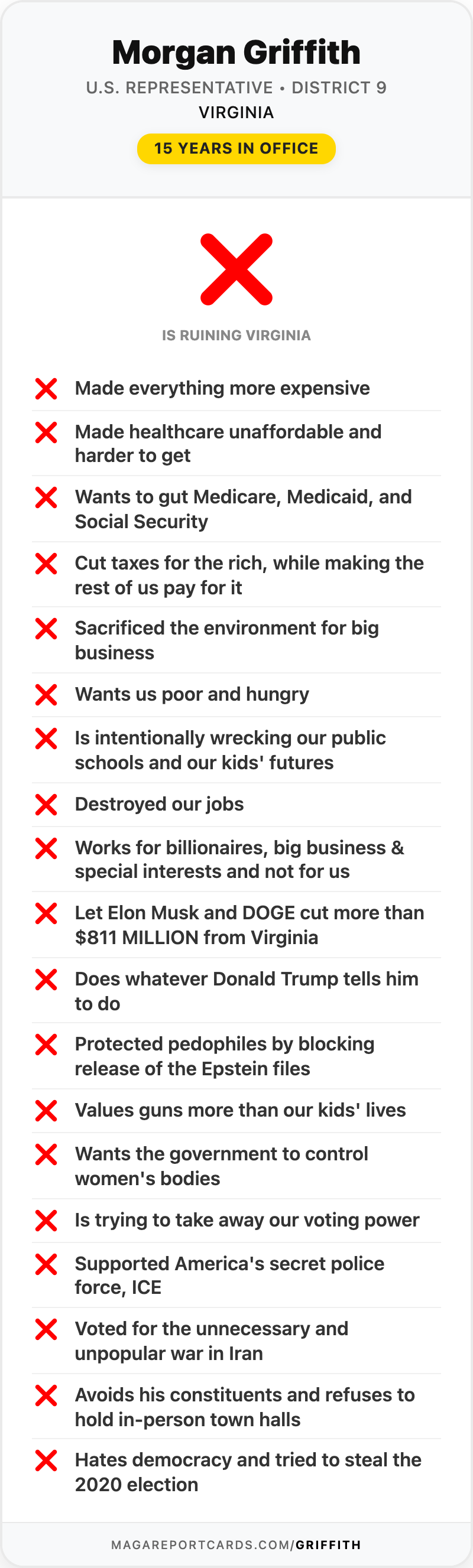
The next day, Morgan Griffith wrote her a letter asking her to use that intervention to protect a coal plant.
"I urge the Governor to work to ensure this merger does not prematurely close a world-class coal plant that supports Southwest Virginia communities."
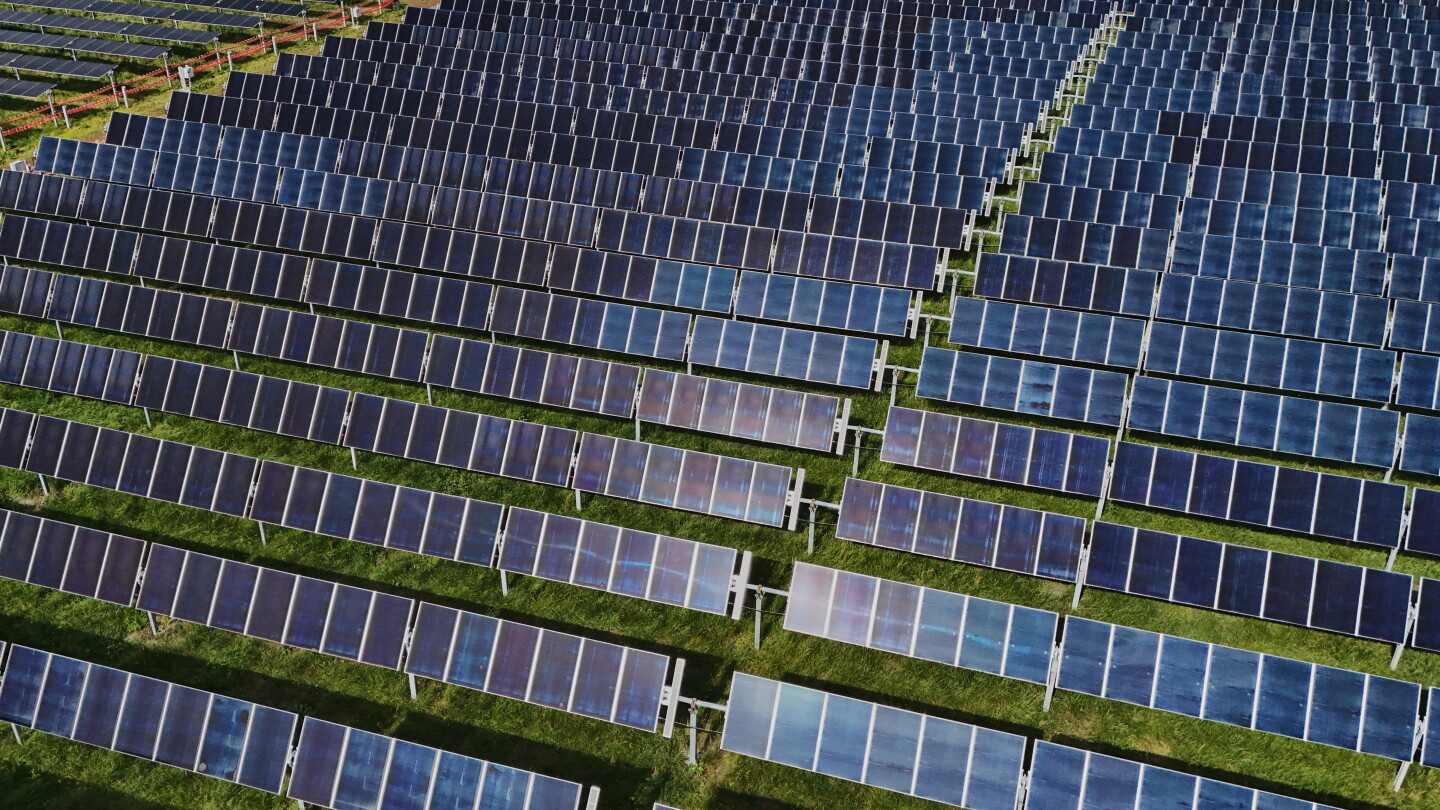
The plant is the Virginia City Hybrid Energy Center in St. Paul, Wise County. Dominion Energy owns it.
Dominion Energy's political action committee has given Morgan Griffith's campaigns $67,000 since he was first elected, according to his own committee's FEC filings.
What the plant costs, and who pays
Here is the part Griffith's press release leaves out.
The Virginia City plant was built outside Dominion's own service territory. The people who pay for it are Dominion customers in eastern and central Virginia — as the Virginia Mercury put it, "the region doesn't bear the plant's costs."
And the costs are not small. Using Dominion's own estimates, the Sierra Club's Virginia chapter calculated in 2022 that keeping Virginia City running would cost ratepayers at least $472 million by the end of the decade — while producing only 6.3% of the power it is capable of generating.
That last number is the whole problem. The commission's own senior hearing examiner, Michael Thomas, put it plainly: "we have a facility that was designed and constructed to operate 80 percent of the year and it's operating somewhere down in the teens."
Virginians are being billed for a power plant that mostly sits idle.
Spanberger's stated reason for intervening is that she wants lower bills. Griffith's response was to ask her to keep that plant running.
The case for the plant, honestly stated
There is a real argument on the other side, and it deserves to be on the page.
The plant is a genuine economic anchor for Wise County. It put more than $8.9 million in property taxes into county coffers in 2020 — money that pays for schools and sheriff's deputies in a county that does not have many other sources of it. It employs people. And it burns waste coal from "gob piles," the heaps of mining leftovers scattered across coal country; Griffith's own statement notes it has "cleaned up millions of tons of waste coal."
Southwest Virginia has been left holding the bill for coal's decline for forty years. A congressman fighting for what's left of the tax base there is doing his job.
The question is what he's fighting for, and what he isn't.
Griffith is not asking Virginia to replace those jobs and that tax revenue with something that lasts. He is not asking for transition money, or for the site to be redeveloped, or for the county to be made whole whenever the plant does close. He is asking for the closure to be delayed, and for ratepayers elsewhere in the state to keep paying for the delay.
That is not a plan for Wise County. It is a stay of execution, billed to somebody else.
He is not a neutral party on coal
Griffith's own press release lists his credentials, and they're worth reading as he wrote them:
- He is Co-Chair of the Congressional Coal Caucus.
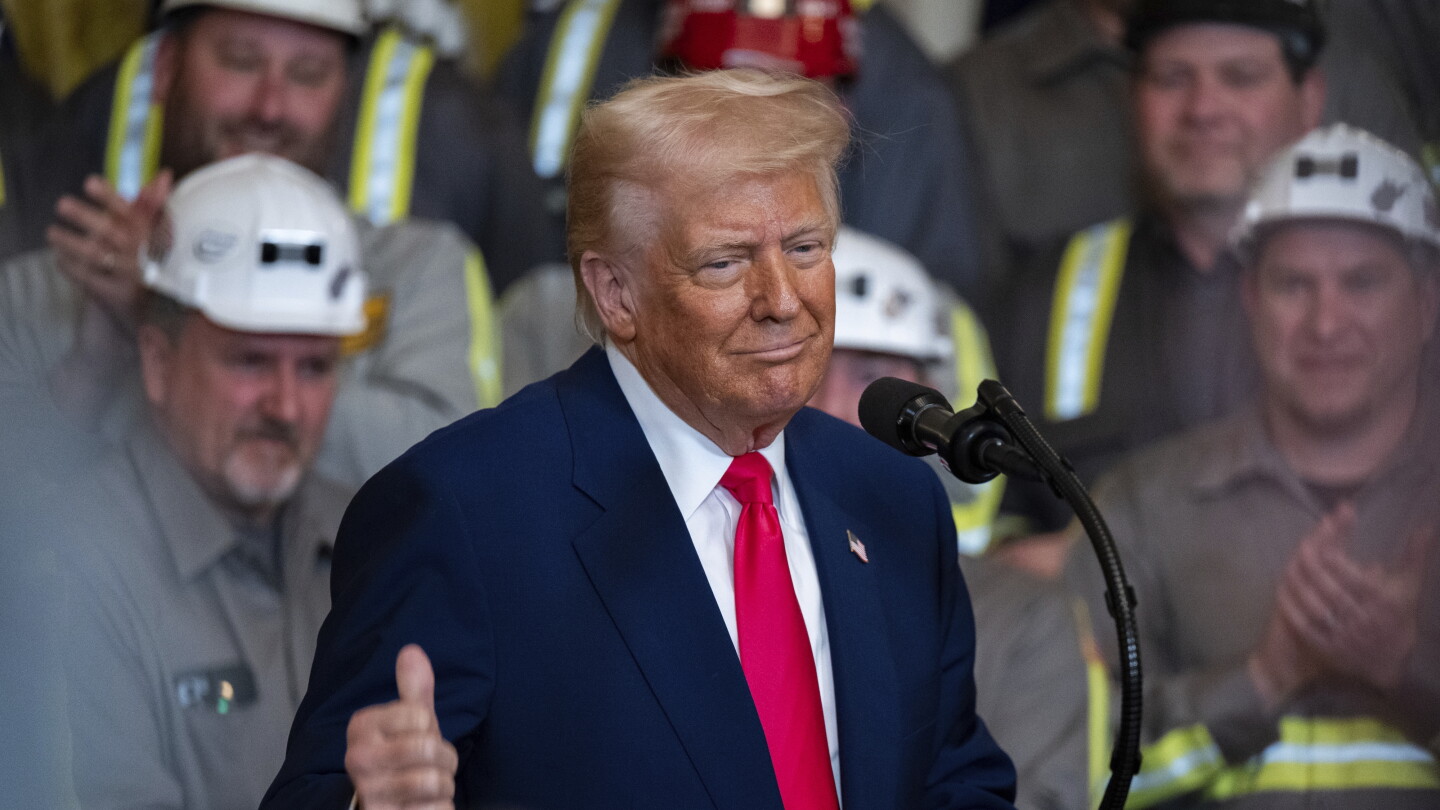
- In February 2026 he attended a White House event "touting Beautiful Clean Coal."
- In April 2025 he attended the White House signing of executive orders to boost the coal industry.
- Later in 2025 he voted to write one of those orders into law, reestablishing the National Coal Council.
- In May 2025 he celebrated the Energy Department designating metallurgical coal a critical material.
His environmental record matches. The League of Conservation Voters scores him at 3% for 2025 and 6% for his career. And on February 1, 2017, he voted to wipe out the Stream Protection Rule — the Interior Department regulation that kept mining waste out of Appalachian streams and drinking water, in the same coalfields he is now defending a plant in.
The rest of the energy money
Dominion's PAC is not the only one. Over the same period, his filings show he has also taken:
- $82,500 from Koch, Inc.'s PAC
- $74,500 from the National Rural Electric Cooperative Association's PAC
- $67,000 from Dominion Energy's PAC
Griffith sits on the Energy and Commerce Committee, which has jurisdiction over the industry writing those checks. Since 2020, 68% of his campaign money has come from PACs — about $2.8 million of $4.2 million, by Who Bought My Rep's count. Roughly 3% comes from small grassroots donors, ranking him 381st out of 440 House members on that measure.
What the merger fight is actually about
Spanberger said at a press conference that the guarantees the utilities have offered — about $10 a month in bill credits for two years, and 18 months of job protection for Dominion employees — are "not sufficient yet."
"The benefits of this merger will last for far longer for the companies participating than two years, and so I'd want to see the benefit to Virginians last longer as well."
Public witness hearings are set for November 5, 9 and 10. The evidentiary hearing begins November 17. The commission has until January 11, 2027 to decide.
Into that fight, the member of Congress for Southwest Virginia has entered one request: keep the coal plant open.
Not lower bills for his constituents. Not a commitment to rebuild the Wise County tax base for the years after coal. One plant, owned by one company, which has given him $67,000.
Source
Griffith's letter and statement are on his official House website: Griffith Urges Spanberger to Protect SWVA Coal, Lower Energy Costs in Proposed NextEra Dominion Merger (August 7, 2026). Spanberger's intervention was reported by Patrick Larsen for VPM News. Photo: Virginia City Hybrid Energy Center, Virginia Mercury.