More than 27% of households in California's 22nd Congressional District get help buying groceries through SNAP. Nationally, the figure is 17%.
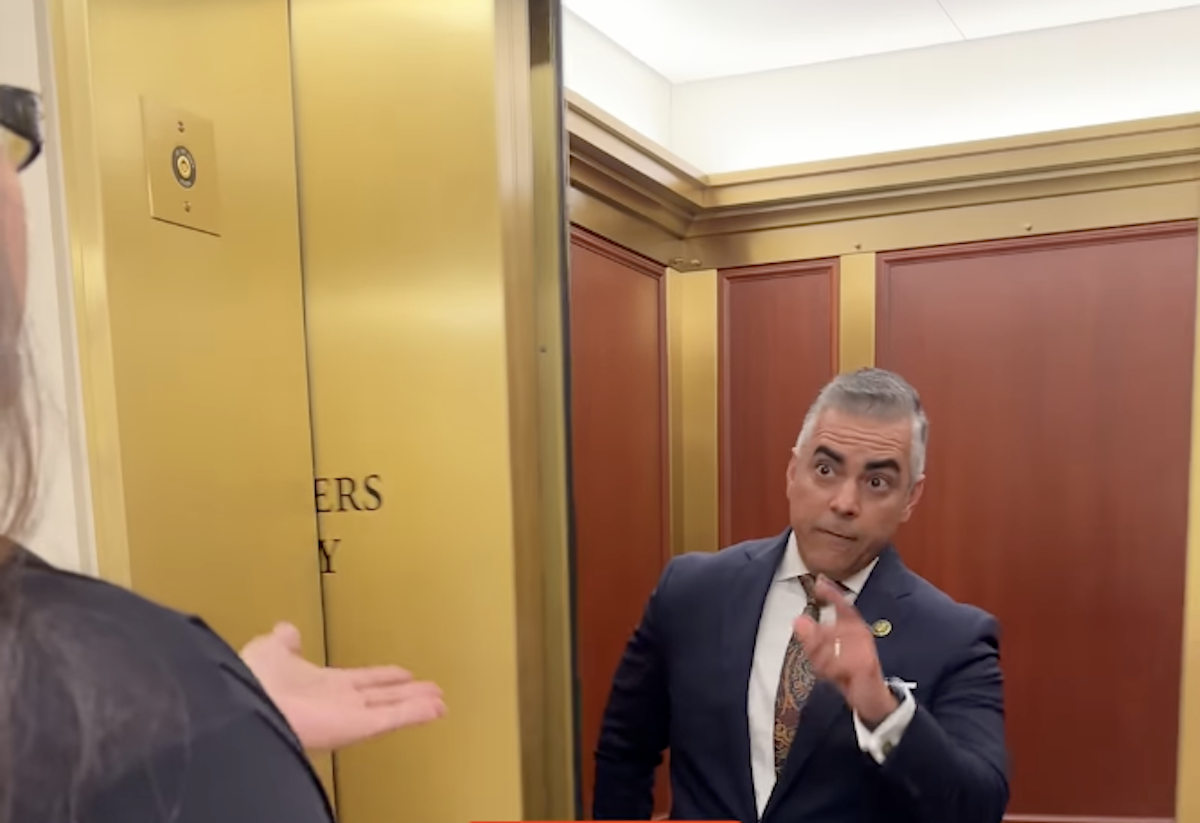
That district belongs to David Valadao. And when HuffPost's Arthur Delaney asked him whether the steep drop in food assistance since Republicans passed their budget bill might be a problem for him in November, Valadao said he isn't sweating it.
The full piece is worth reading. His argument, in his own words:
"When you look at work requirements and you drive across the Central Valley, I represent a lot of very hardworking people that are out there picking grapes, working on farms, working oil fields in the hot sun, and the idea that there are people out there that have the ability to work and choose not to, have no dependents, no disabilities, is something I agree is what the average voter would expect from their neighbors and their fellow countrymen."
Read that carefully. Valadao is describing his constituents as two groups: the hardworking people picking grapes in the sun, and the people who could work and choose not to. He is betting the first group will be happy about what happened to the second.
He was the one vote
There is a specific reason this vote belongs to Valadao more than to almost any other Republican.
When Trump's budget bill first cleared the House on May 22, 2025, the roll call was 215 to 214. One vote. Valadao voted yes. Had he voted no, the bill would have died there.
He voted yes again on final passage on July 3, 2025, which carried 218 to 214.
He knew what was in it. HuffPost notes he was one of several House Republicans who hesitated over the cuts to SNAP and Medicaid before voting yes. He hesitated twice, and voted for it both times.
His district is not a marginal case for either program. CA-22 has the highest Medicaid enrollment rate of any Republican-held seat in the country — 64% of residents are enrolled. On food assistance, it's more than 27% of households. Whatever this bill did to America, it did more of it to the 22nd district than to almost anywhere else Republicans represent.
What the cuts actually did
The mechanism matters, because Valadao's defense rests entirely on it.
The bill imposed new work requirements — an expanded limit on benefits for unemployed adults without young children — and shifted costs from the federal government onto the states. Since then, more than 4 million fewer individuals and 2 million fewer households are receiving SNAP benefits.
Valadao's position is that this decline is fine, because it was driven partly by those work requirements. In other words: the people who left were the people who should have left.
That is an assertion, not a finding. Work requirements do not only remove people who refuse to work. They remove people who work irregular hours and can't document them, people whose paperwork arrives late, people who move, people who never got the notice. We've written about what the collapse in enrollment actually looks like on the ground — including the fact that unemployment hasn't moved and grocery prices haven't stopped climbing. If people were leaving SNAP because they'd found work, you would expect the job numbers to show it.
Sen. John Boozman of Arkansas gave HuffPost the same read Valadao did: "I think it just indicates that there are a lot of people on there that weren't working." He added, "it is what it is."
The people in the sun
The rhetorical move in Valadao's quote deserves attention, because it's doing the heavy lifting.
He invokes farmworkers — people picking grapes, working the fields, working oil fields in the heat — as the constituency who will approve of cutting food aid. He is contrasting them with an imagined group of able-bodied people who choose not to work.
But farmwork in the Central Valley is seasonal. Hours collapse between harvests. A packing-shed job that runs 50 hours in August can run zero in January. Those are exactly the workers whose hours fall below a monthly threshold through no choice of their own, and exactly the workers a rigid work-requirement rule cuts off.
The 27% figure isn't made up of people who don't work. In a district built on agriculture, a very large share of it is made up of people who do.
Valadao's Democratic opponent, Randy Villegas, framed it directly:
"Working people in the Central Valley are struggling to feed their families because David Valadao voted to cut SNAP in order to give tax breaks to billionaires."
The moderate label and the record
Valadao's whole political brand is that he's not like the others. He was one of only 10 House Republicans who voted to impeach Trump after January 6th, and he has survived in a district Democrats keep expecting to flip.
That reputation is why the budget bill vote matters so much. On the vote where his district had more at stake than nearly any other Republican's, and where his single vote would have decided the outcome, he did not break with his party. He voted yes and then explained why the consequences are acceptable.
HuffPost describes CA-22 as a toss-up in November. Valadao's answer to the people losing groceries in a toss-up district is that the average voter would expect this from their neighbors.
Central Valley voters get to decide in November whether he's right about what they expect.
Sources
- "Republicans Don't Think Steep Food Stamp Cuts Will Hurt Them In The Midterms" — Arthur Delaney, HuffPost, July 31, 2026
Photo: HuffPost.