On Friday, November 6, 2026, the Trump administration's Justice Department ended its antitrust investigation into Fox Corporation's $22 billion purchase of Roku. Fox closed the deal the same day.
Roku is the box, stick or built-in TV software a lot of Americans use to watch TV. It reaches about 100 million homes. Fox owns Fox News, Fox Sports, the Tubi streaming service and the Fox One app. Now it also owns the screen you pick them from.
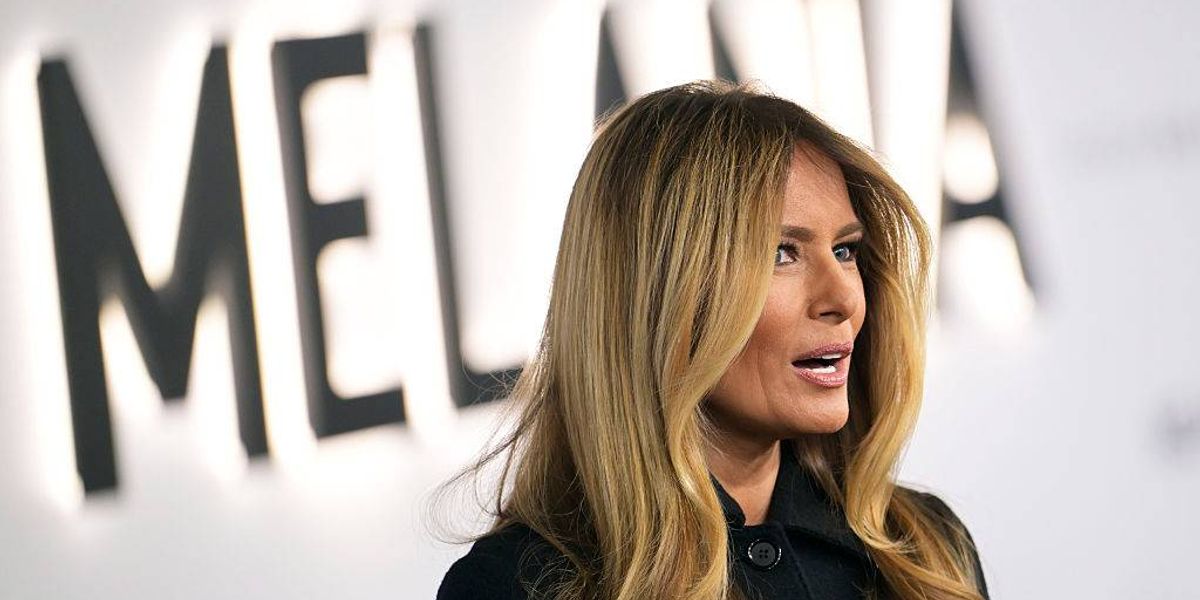
Eleven weeks earlier, at a ceremony in the White House Rose Garden, Melania Trump announced a donation Fox had helped fund.
The donation
On August 20, the White House announced that First Lady Melania Trump's Fostering the Future initiative would expand "through a $2 million donation from IndyCar and Fox Corporation" for scholarships at Indiana University and Purdue. The head of Fox Sports said in the White House's own release that Fox was "proud to partner with the Fostering the Future initiative." The race weekend that showcased it would air "on FOX and FOX One."
Scholarships for kids who grew up in foster care are a good thing. That is not the problem. The problem is who wrote the check, and when.
Fox's Roku deal was already under federal review when that money was announced. On July 16, Senator Elizabeth Warren and colleagues had written to the Justice Department urging it to "closely scrutinize" the deal, warning that it "may not give this transaction the close review it deserves." Less than three weeks after the Rose Garden ceremony, the department was planning to dig deeper, sending Fox and Roku a "second request" for more documents, Semafor reported. Semafor said that step "suggests skepticism about the merger's effect on how consumers access streaming content."
Then, two months later, the skepticism was gone.
How the deal got through
When a merger raises real competition worries, the Justice Department's usual tool is a consent decree — a court-approved agreement with conditions a judge can enforce.
Fox didn't get one of those. Instead, the department put out a statement saying the deal was unlikely to harm competition, and pointed to promises Fox made on its own. According to The Desk, which received the department's statement, Fox agreed to keep carrying other companies' content on Roku for at least three years, and not to rig Roku's search results to push its own apps like Fox One and Tubi over its rivals.
The department's reasoning, in its own words: the merged company "would suffer monetary and reputational harm if it attempted to use the Roku platform to harm Fox's content rivals." In other words, the government is trusting Fox to behave because misbehaving would be bad for business.
The American Economic Liberties Project, an anti-monopoly group, said the department approved the deal "with a simple affirmative press statement outlining commitments from Fox, several of which expire in just three years, and leaving the conditions without any judicial enforcement mechanism attached," Common Dreams reported. The group is asking Congress and state attorneys general to investigate.
"It should set off every alarm bell that the Fox Corporation is giving any money to the first lady's foster care initiative during the Justice Department's review of its Roku deal," said the group's senior legal counsel, Lee Hepner.
Fox didn't wait for the ink to dry
The week of the election, before the deal had even closed, some Roku users noticed their TV home screens had changed. On devices that weren't personalized, The Desk reported, Roku switched the default wallpaper to one promoting the Fox One app, with banner ads for Fox's Election Night coverage alongside the rows of apps.
That is exactly the kind of thing antitrust lawyers worry about when one company owns both the shows and the menu you choose them from.
This is a pattern, not a one-off
Hepner called the Fox-Roku approval "part of a documented pattern, where big media corporations curry favor with the administration, via donations and promises of favorable coverage, and then deals get done."
It isn't the first time the Trump family's ventures and official business have run together. We've reported on Jared Kushner negotiating for the United States while collecting fees from Middle Eastern governments, with Republicans running every committee that could have made him answer for it.
Nobody has shown that the Fox donation bought the Justice Department's decision. What we can show is the order of events, and that the people in charge of the investigation work for the president whose wife's program took the money. That is what a conflict of interest does: it leaves the public to guess.
The facts, in short
Fox and IndyCar gave $2 million to Melania Trump's Fostering the Future initiative in an August 20 White House ceremony, while the Justice Department was reviewing Fox's $22 billion purchase of Roku. In September the department asked for more documents; on November 6 it closed the investigation with no court-enforced conditions, relying on Fox's own promises, several of which expire in three years. An anti-monopoly group is asking Congress and state attorneys general to investigate.
Source
This post is based on reporting by Common Dreams, with the donation documented in the White House's own announcement and the Justice Department's closing statement as reported by The Desk.