Alaska's fishing industry told Washington exactly what a trade war would do to it. Then Dan Sullivan voted, again and again, to keep the trade war going.
The warning
In March 2025, as Trump's tariffs were ramping up, the two trade groups that represent Alaska's largest seafood processors sent a letter to the Office of the U.S. Trade Representative. They spelled out the risk plainly:
They asked that "care must be taken" not to "increase the harm to U.S. seafood producers."
In other words: when other countries hit back at American tariffs, Alaska's fishermen and processors take the hit.
Five chances to end it
Trump put many of his tariffs in place by declaring a "national emergency." Congress can end an emergency like that by passing a resolution. In 2025, Sullivan voted against five of them.
- April 2, 2025 — ending the emergency behind the tariffs on Canada. Passed 51–48. Sullivan voted no.
- April 30, 2025 — ending the emergency behind Trump's global tariffs. Failed on a 49–49 tie. Sullivan voted no. One more yes vote would have passed it.
- October 28, 2025 — ending the emergency behind the tariffs on Brazil. Passed 52–48. Sullivan voted no.
- October 29, 2025 — ending the Canada tariff emergency again. Passed 50–46. Sullivan voted no.
- October 30, 2025 — ending the global tariff emergency again. Passed 51–47. Sullivan voted no.
Alaska's other senator, Republican Lisa Murkowski, was there for the same five votes. She voted yes on all five. Same state, same party, same fishing industry. Only one of them listened to it.
What happened next
The fight with Canada didn't end. In August 2026, new 50% tariffs on many Canadian goods took effect, and Canada hit back with tariffs of its own, including on about 250 fish and seafood products, the Alaska Independent reported. Canada later backed off the seafood tariffs, but kept tariffs on other products into September.
That is exactly the kind of retaliation the processors warned about. For an industry that sells two-thirds of its seafood abroad, every new round of a trade war can change its prospects overnight.
And the costs don't stay on the docks. Economists at the Federal Reserve Bank of Dallas wrote in May that tariff costs are now largely being passed on to consumers.
Sullivan's reelection campaign did not respond when the Alaska Independent asked about his votes.
A pattern with fisheries
This isn't the only way Sullivan has let Alaska's most important industry down. Seafood adds billions of dollars a year to Alaska's economy and employs tens of thousands of people. Sullivan chairs one Senate fisheries subcommittee, yet we found he skipped half the hearings of the other fisheries subcommittee he sits on, including the only one it has held this year.
When the industry needed him to show up, he was absent. When it had warned that a trade war's retaliatory tariffs would hurt it, he voted to keep the tariff emergencies in place.
The bottom line
Alaska's largest seafood processors warned in March 2025 that the state was "uniquely vulnerable" to retaliatory tariffs because two-thirds of its seafood is exported. Dan Sullivan then voted against all five Senate resolutions to end Trump's tariff emergencies, including one that failed on a 49–49 tie. Lisa Murkowski voted for all five.
Source
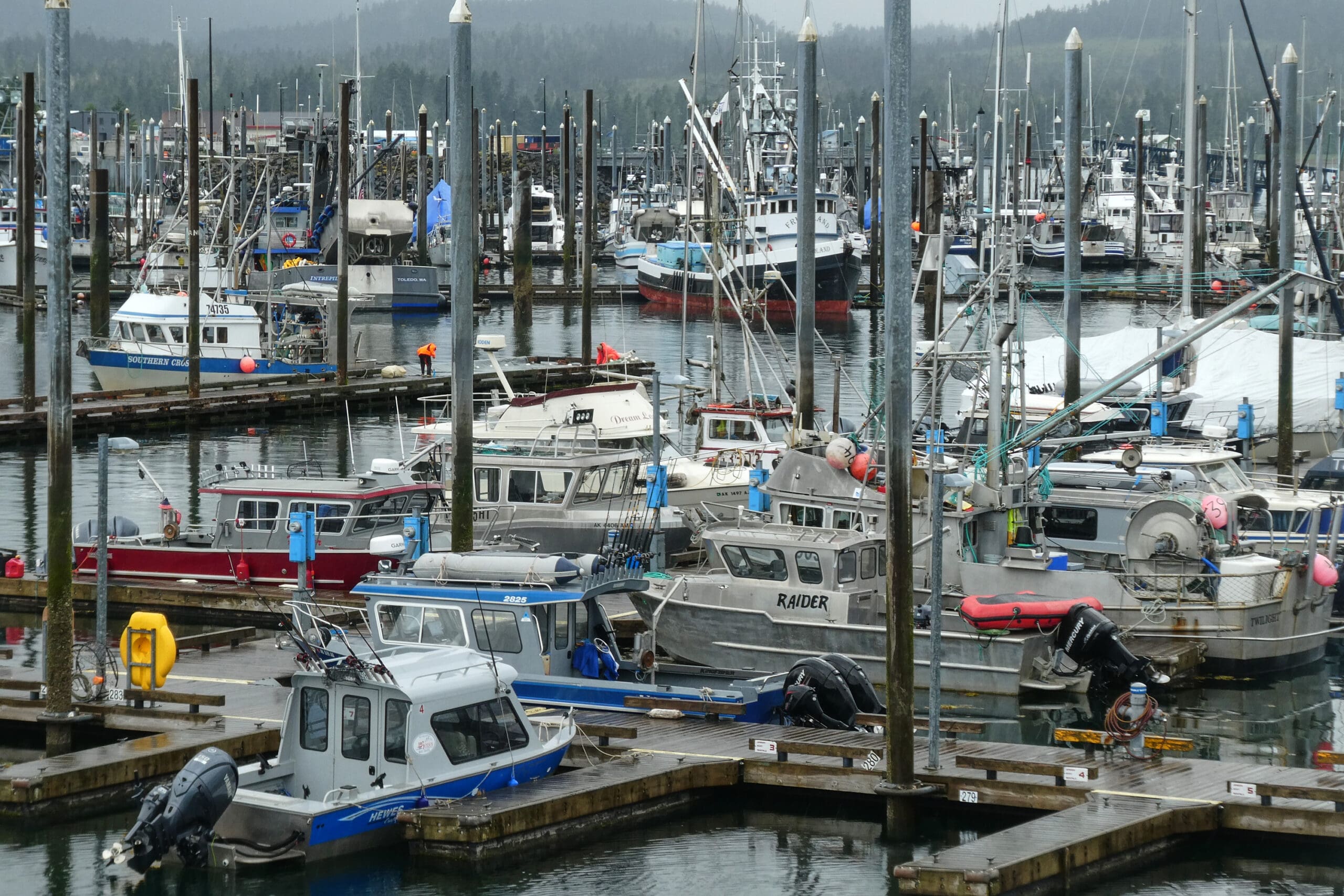
Sen. Dan Sullivan voted against lifting Trump tariffs that threaten fishing industry — Will Fritz, The Alaska Independent, September 11, 2026. Photo: AP Photo/Becky Bohrer.