Some ideas are so unpopular they can't pass through the front door. So their backers look for a back door. That's exactly what's happening right now with Republicans' voter-suppression agenda.
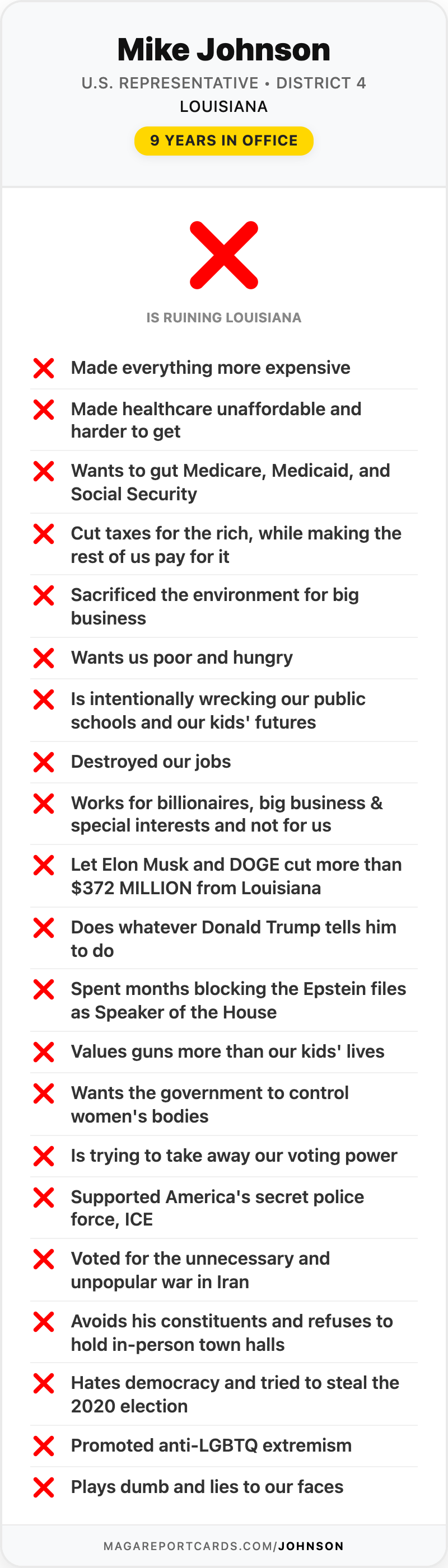
The SAVE Act — a bill that would make it much harder for eligible Americans to register and vote — has failed again and again in the Senate, blocked by the filibuster that requires 60 votes. So House Republicans, led by Speaker Mike Johnson, came up with a workaround: bury it inside a budget "reconciliation" bill, which only needs a simple majority.
How the trick works
Budget reconciliation is supposed to be for spending and taxes. To make voter suppression look like a budget item, Republicans attached a $10 billion price tag to it — a grant program dangling money in front of states to get them to adopt the very restrictions the SAVE Act couldn't pass on its own.
As The Hill reported, the latest House budget framework sets aside "$10 billion for a program to encourage states to adopt voting restrictions" — proof-of-citizenship rules, aggressive voter-roll purges, and stricter voter ID.
The whole point is the dollar figure. As Charles Tiefer put it in a Talking Points Memo opinion piece, "it is the $10 billion which grounds the claim to fit within the requirements for reconciliation treatment." Strip away the money, and it's just the same voter suppression that keeps losing votes — dressed up as a spending bill so it can slip past the filibuster.
Who actually gets hurt
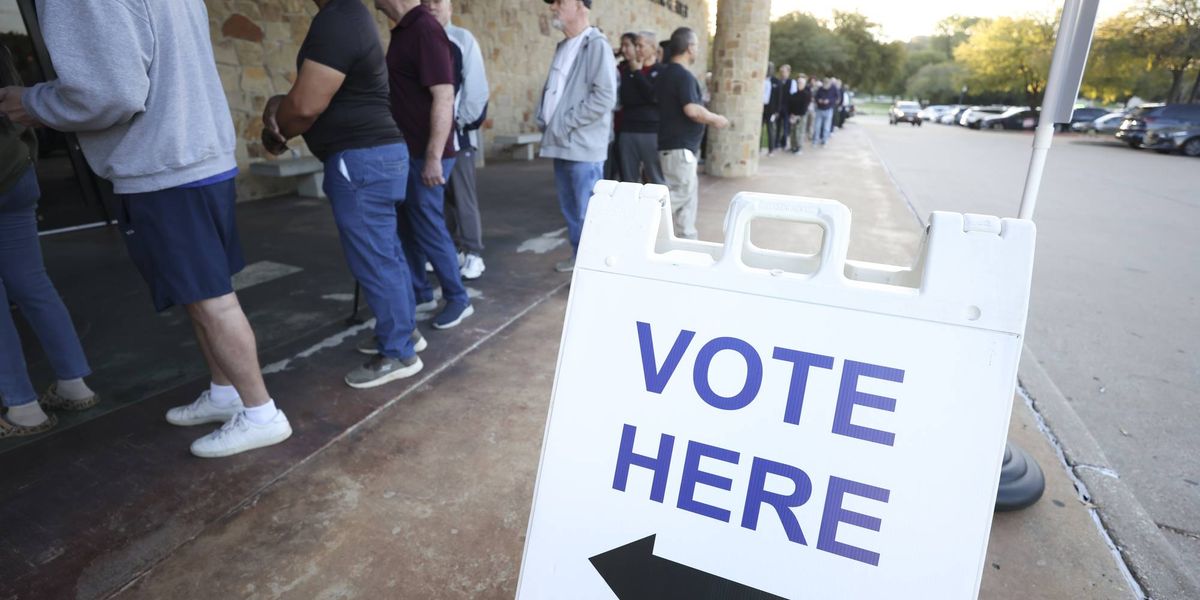
Backers say this is about "election integrity." But there's very little actual fraud, and these rules block real, eligible Americans from voting.
Consider the numbers. More than 21 million voting-age U.S. citizens don't have documents proving their citizenship readily on hand. And more than 60 million American women have a birth certificate that doesn't match their current name — usually because they changed it when they got married. Under strict proof-of-citizenship rules, many of those people could be turned away at the registration desk.
That's not stopping fraud. That's stopping voters — disproportionately women, older people, and working families who don't happen to have a passport in a drawer.
The bottom line
This is a democracy problem hiding inside a budget bill. Republicans couldn't win this fight honestly, in the open, with the votes required. So they're trying to smuggle it through a process built for something else entirely.
Even some Senate Republicans see the danger. Sen. Thom Tillis pledged to oppose the plan if it includes these voting restrictions, calling it "another failed attempt to confuse this election" and vowing to "use every device I have available to slow down the wheels of government."
When politicians have to sneak a policy through the back door, it's usually because they know you wouldn't accept it if they asked you to your face. Making it harder for tens of millions of Americans to vote is exactly that kind of policy.
Source
- "The Outrageous House Republican Move to Enact Trump's Vote Suppression Proposals By the Backdoor of Budget Reconciliation," Charles Tiefer, Talking Points Memo, July 20, 2026; and "House GOP floats reconciliation 4.0 amid disappointment at 3.0 plan," The Hill, July 17, 2026.