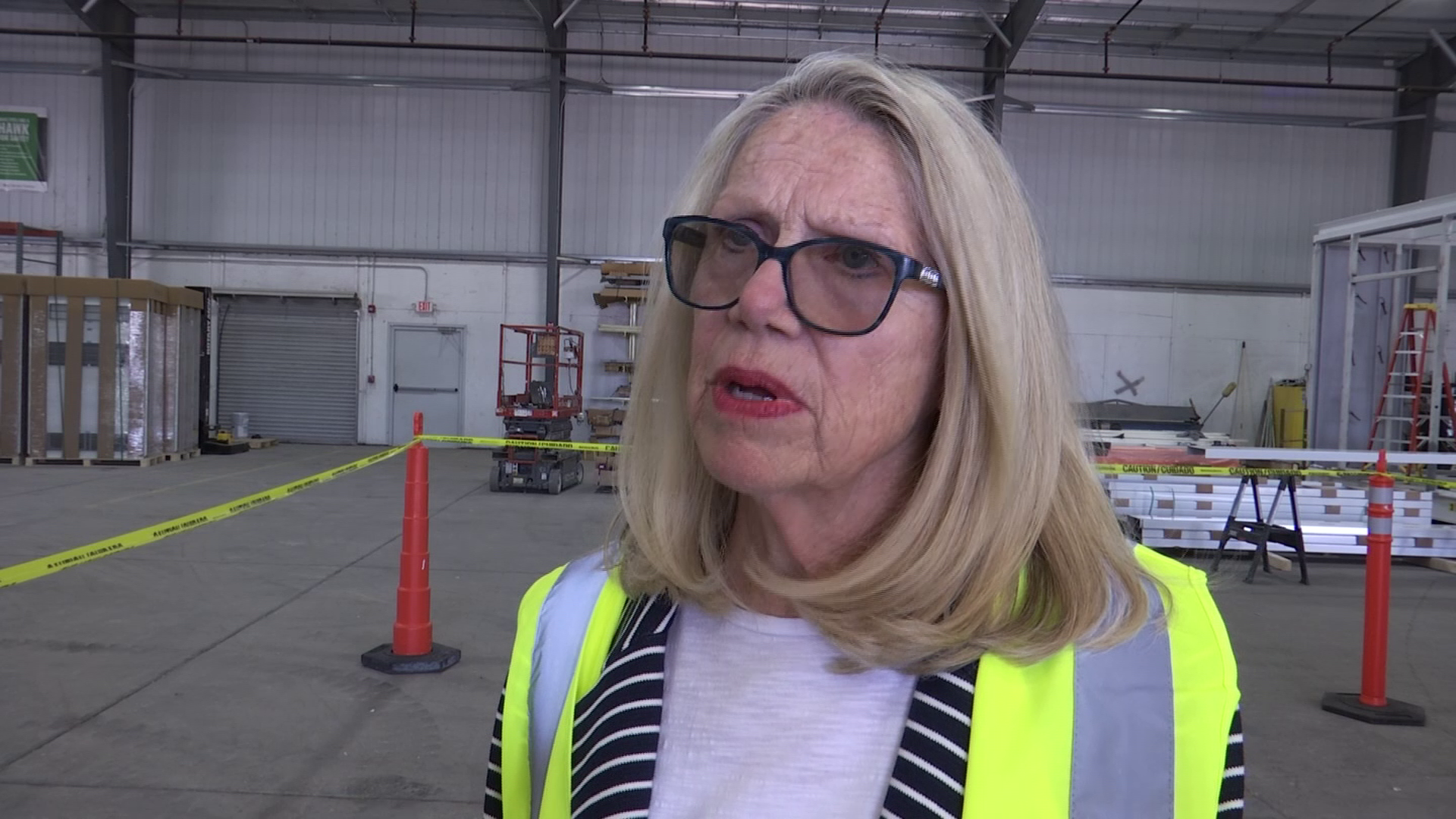
On Thursday, April 9, 2026, Carol Miller was home in West Virginia during a congressional recess, touring a manufacturing plant in Eleanor. A WOWK reporter asked her about three of the things Washington had done to her state.
She had a different answer for each one, but they came out the same way.
On the cuts she wrote
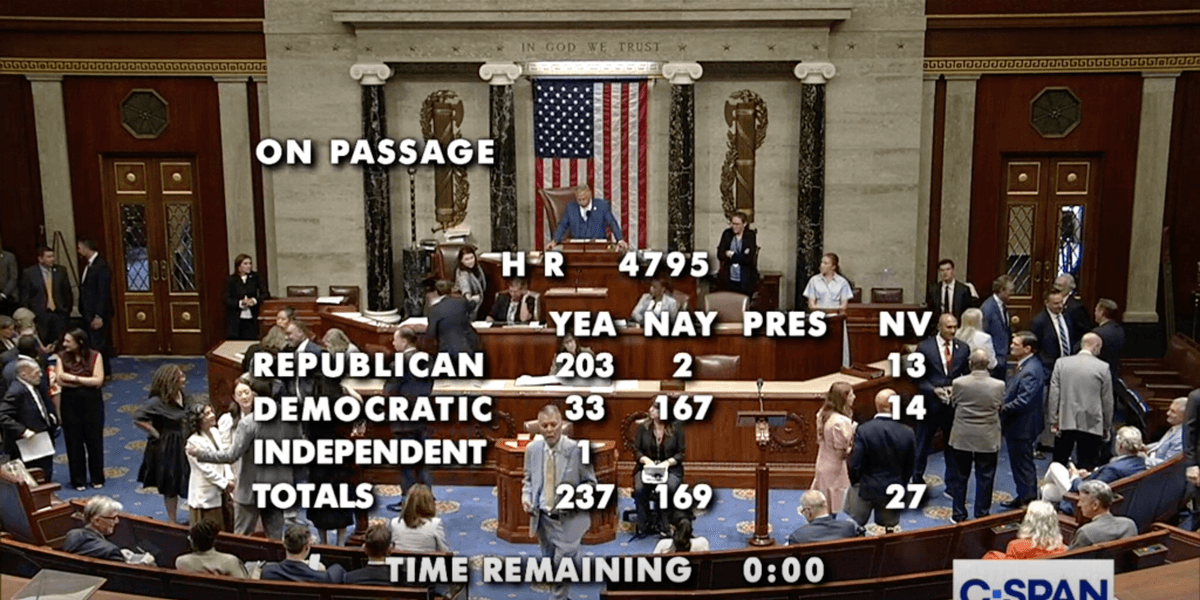
Miller sits on the House Ways and Means Committee, and on its Health Subcommittee. Ways and Means wrote the tax title of the One Big Beautiful Bill Act — the law that paired permanent tax cuts with what the West Virginia Center on Budget and Policy called the largest Medicaid and SNAP cuts in program history.
She didn't just vote for it. She spoke for it on the House floor on May 22, 2025:
"Ways and Means Republicans have worked tirelessly for two years, traveling across America and hearing from real people about the impact that the 2017 Trump Tax Cuts had on them... This bill gives the average working family a $1,300 tax cut. It delivers on President Trump's promises of no tax on tips and no tax on overtime pay."
Her speech runs about 250 words. It mentions the tax cut, the tips provision, the overtime provision, the small business deduction, and a reporting threshold for gig workers. It does not mention Medicaid or SNAP once.
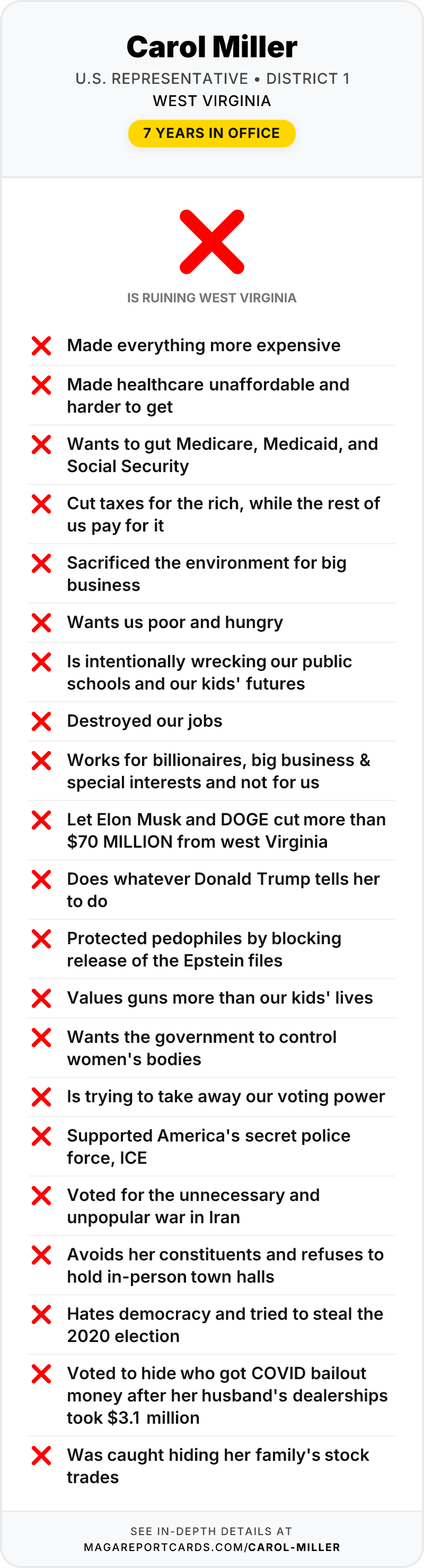
The cuts landed on West Virginia anyway. State lawmakers spent the 2026 session trying to figure out what to do about it, and the answer was mostly nothing. Mountain State Spotlight's Henry Culvyhouse totted up the results: an $83 million Medicaid shortfall, the Flood Resiliency Office cut from $25 million to $5 million, $8 million less for public schools, and $30 million for clean water projects. The Hope Scholarship voucher program, meanwhile, went up to nearly $300 million.
"We're digging through the couch cushions to fund Medicaid," said Kelly Allen, executive director of the West Virginia Center on Budget and Policy.
So the reporter asked Miller the obvious question: should the federal government restore the money?
"I think the federal government will consider what they need to do. You know, with the $37 trillion in debt, we're trying to figure out how to be fiscally responsible. And, of course, health care is so, so important."
"The federal government will consider what they need to do." She is the federal government. She sits on the committee with jurisdiction over Medicaid. The debt she cites went up because of the bill she spoke for — the tax cuts in it are the expensive part.
On the war
At the time of the interview the United States had struck Iran and entered a ceasefire. Miller said she fully supports "what needs to be done to make sure that we don't have a nuclear power over there and that we do have the [Strait of Hormuz] open."
The reporter then asked whether Trump's 2018 withdrawal from the Iran nuclear deal had contributed to the threat of a nuclear Iran.
"I wasn't there when he pulled out… I can't second-guess what the president does because he has so much at his fingertips that he knows about that I won't know about until I'm back there."
That is not a defense of the withdrawal. It's a refusal to evaluate it.
Second-guessing the president is the job. It is the specific thing Article I of the Constitution puts Congress there to do — declare war, appropriate the money, oversee the executive. A member of Congress who cannot assess a past presidential decision, seven years after the fact, using the public record available to any voter, has described herself out of the branch she serves in.
She also told the reporter she'd need to see the bill before voting on the White House's request for more war money, and did not object to a longer engagement.
On the tariffs
The reporter also asked about tariffs. Chris Hamilton, president of the West Virginia Coal Association, had described the president's tariffs as having severely impacted the coal industry's international operations and supply chain.
Miller is on the Trade Subcommittee of Ways and Means. Tariffs are her committee's jurisdiction, and Article I, Section 8 gives the taxing and tariff power to Congress, not the president. If any single member of the West Virginia delegation has standing to push back on a tariff hurting West Virginia coal, it is her.
Her answer:
"It was just a business move on his part to level the playing field and let them know we are serious. China is not our only customer, but China does consume a lot of coal. And, you know, we had other problems as well — getting the coal out."
Miller is an outspoken coal advocate. She has written an op-ed arguing tariffs are necessary. Chris Hamilton — the coal association president saying they're hurting — is a donor to her campaign, along with the employee PACs of Sempra Energy and Duke Energy, ConocoPhillips's Spirit PAC and West Virginians for Coal. When his industry's own lobbyist says the policy is causing damage and she calls it "a business move on his part," she has picked the president over the constituency.
The pattern
Three questions. A health program her committee cut, a war her chamber funds, a trade policy her subcommittee governs. Each one is squarely inside her actual authority.
- On Medicaid: the federal government will consider what they need to do.
- On Iran: I can't second-guess what the president does.
- On tariffs: it was just a business move on his part.
There is a name for an official who holds a constitutional power and declines to use it on the grounds that someone else knows better. It isn't representation.
West Virginia already ranked 42nd of 50 on the measures we track before any of this. Its people are being asked to absorb an $83 million Medicaid hole, higher costs from tariffs, and a bill for a war — and the member who sits on the committee that wrote the first one says Washington will "consider what they need to do."
We deserve better.
Source
Maddy Sperling, "'I can't second-guess what the president does': Rep. Miller addresses Trump policies" — WOWK 13 News, April 10, 2026. Photo: WOWK.