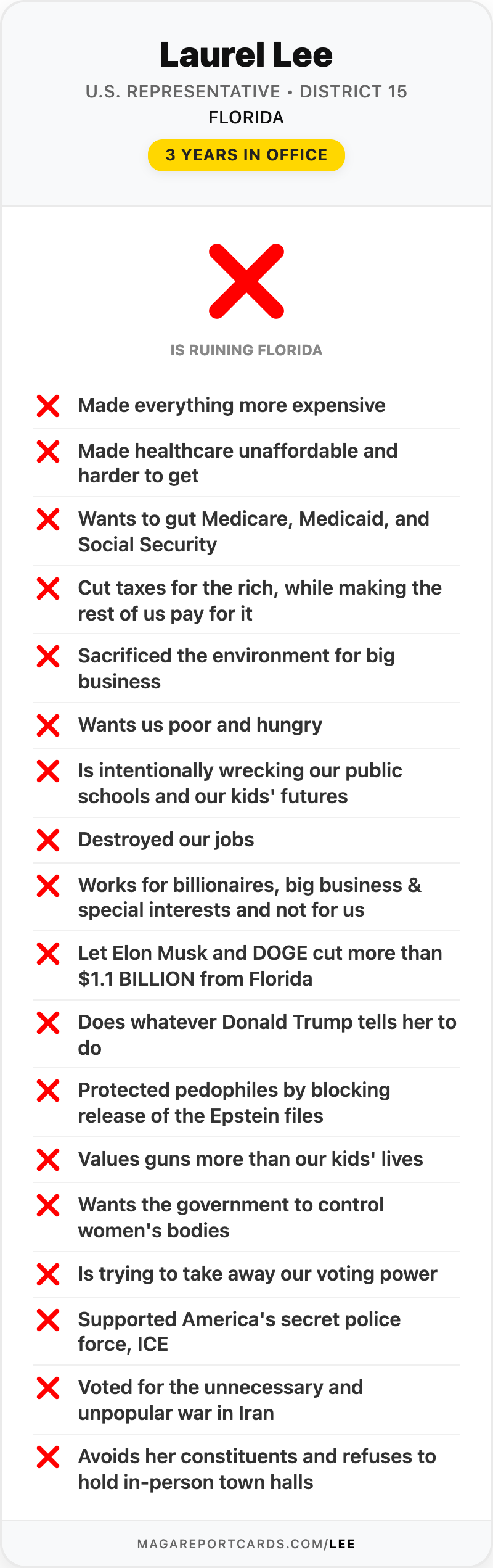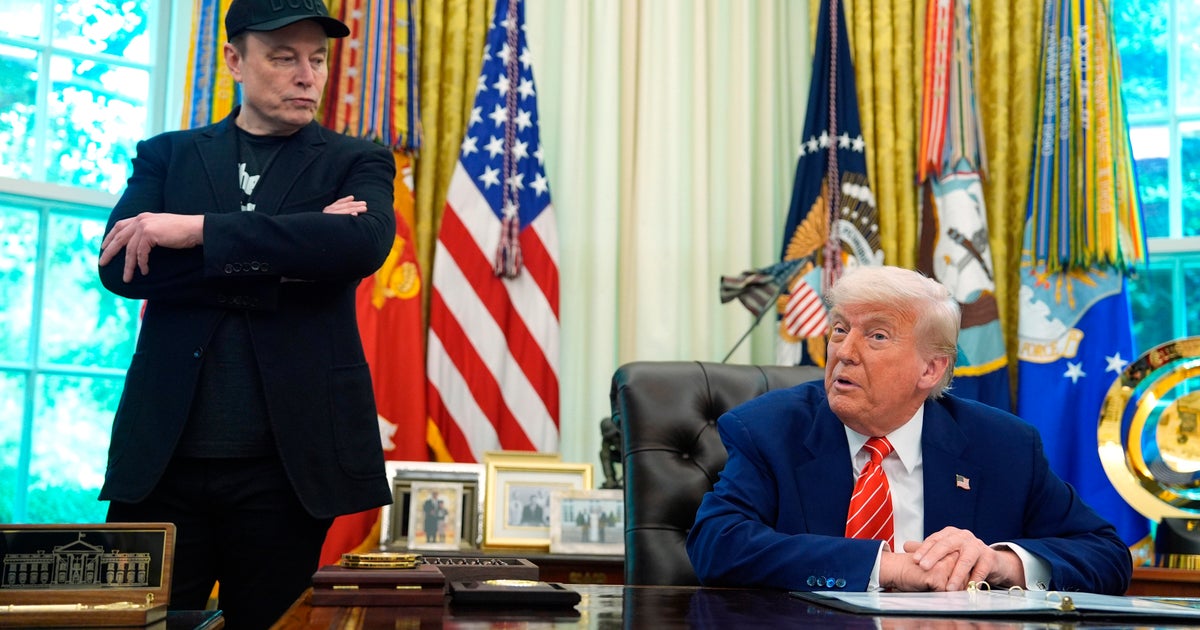
On March 21, 2025, Rep. Laurel Lee of Florida posted this to her campaign account:
"Huge WIN for taxpayers! Spending cuts have saved a whopping $115 BILLION—that's $700 back in the pocket of every American taxpayer!"
She was passing along a claim from Elon Musk's Department of Government Efficiency — the running tally DOGE published on a web page it called the Wall of Receipts.
On August 6, 2026, the Government Accountability Office — Congress's own nonpartisan watchdog, the agency that audits the federal government on behalf of the House and Senate — published its findings on that web page.
They are not good.
What the auditors actually found
The GAO's report (GAO-26-108615) opens with the number and then dismantles it:
"As of July 7, 2026, the Wall of Receipts reported savings of $110 billion across contracts, grants, and leases, but some savings estimates are incorrect or lack supporting evidence."
The specifics are worse than the summary:
- Grants. "For grants, DOGE did not provide sufficient information to verify the method used to calculate 96 percent of DOGE-reported savings." Ninety-six percent.
- Contracts. "DOGE did not use its stated methodology to calculate the majority of savings associated with the contracts reported as terminated."
- Leases. Of the 264 leases on the list, 108 were already in the process of being terminated before DOGE even existed — savings someone else had already booked, recorded as DOGE's work.
- The starkest example. DOGE reported $1.7 billion in savings from a Defense Health Agency contract for IT services at more than 700 military treatment facilities. In the GAO's words: "in the end, no action was taken to terminate the contract, or to reduce scope, value, or funding. Thus, no savings were achieved."
And when the auditors asked DOGE to explain the methodology, the report says U.S. DOGE Service officials did not respond to requests for information.
The Wall of Receipts hasn't been updated since January 1, 2026. It was still live, unchanged and undisclosed, as of July 7, 2026.
The part of Lee's post that was never true even on DOGE's own numbers
Set aside whether the $115 billion was real. Look at the second half of her sentence: "that's $700 back in the pocket of every American taxpayer."
Nobody got $700. There was no rebate, no credit, no check. Not one dollar of DOGE's claimed savings was returned to any taxpayer.
Divide a large number by the number of taxpayers and you get a per-person figure. That is arithmetic, not a refund. Lee is a lawyer and a former circuit judge — she is entirely capable of telling the difference between money in someone's pocket and money in a press release. She told her constituents it was in their pocket.
She never walked it back. She's still selling it.
The GAO found that DOGE never once went back and explained its math. The Wall of Receipts launched in February 2025, and since then, the report says, "there have been no updates on the site to shed additional light on the cost savings methodology or to disclose any data limitations."
Lee didn't revise anything either. She was in early and stayed in.
In December 2024, before DOGE had done a thing, she posted that she was "looking forward to working with the Department of Government Efficiency" to get the country "back on the right fiscal track." In April 2025 she went on Fox Business to praise DOGE's "critical" push and call it a "tremendous opportunity."
And on May 29, 2026 — a year after Musk left, with the receipts already in question — she was back on Fox Business for a segment the network titled "President Trump and Elon Musk were willing to make the hard decisions, Rep Laurel Lee says."
Ten weeks later, the GAO explained what those hard decisions were actually worth on paper.
What the "hard decisions" cost people in her district
Here is what makes this more than a bookkeeping story.
Four days after Lee's "$700 back in the pocket" post, the Washington Post reported on what was happening inside the agency that mails out Social Security checks. Its March 25, 2025 story by Lisa Rein and Hannah Natanson opens like this:
"The Social Security Administration website crashed four times in 10 days this month because the servers were overloaded, blocking millions of retirees and disabled Americans from logging in to their online accounts."
In field offices, the Post reported, managers were answering the phones themselves because so many employees had been pushed out. And the agency no longer had any system for monitoring how customers were being treated — that office had been eliminated as part of Musk's cost-cutting.
Those aren't abstractions in Florida's 15th District. They're the daily experience of the retirees, widows and disabled workers who make up a large share of the people Lee represents, and who have no alternative when the phone line stops working.
The trade Lee endorsed and advertised was this: real disruption to services people depend on, in exchange for a savings number that the government's own auditors now say was calculated by a method DOGE would not explain, on grants where 96% of the math couldn't be verified, including $1.7 billion booked on a contract nobody ever cancelled.
What we're owed
Every member of Congress gets things wrong. What separates a mistake from a problem is what you do when the evidence arrives.
The evidence arrived on August 6, 2026, from the least partisan institution in Washington, addressed to Congress. Lee sits on the Committee on House Administration and chairs its Subcommittee on Elections; she is not a bystander to how Congress oversees the executive branch.
The honest move is simple: say plainly that the $115 billion figure she amplified didn't hold up, that nobody got $700, and that a claimed saving on a contract that was never cancelled is not a saving. Her constituents would understand that. They've read a receipt before.
Sources
- DOGE Wall of Receipts: More Transparency Needed on How Savings Are Derived from Contract, Grant, and Lease Terminations (GAO-26-108615) — U.S. Government Accountability Office, August 6, 2026
- DOGE's "wall of receipts" riddled with inaccuracies and unsubstantiated claims, congressional watchdog says — CBS News, August 6, 2026. Photo: Associated Press.