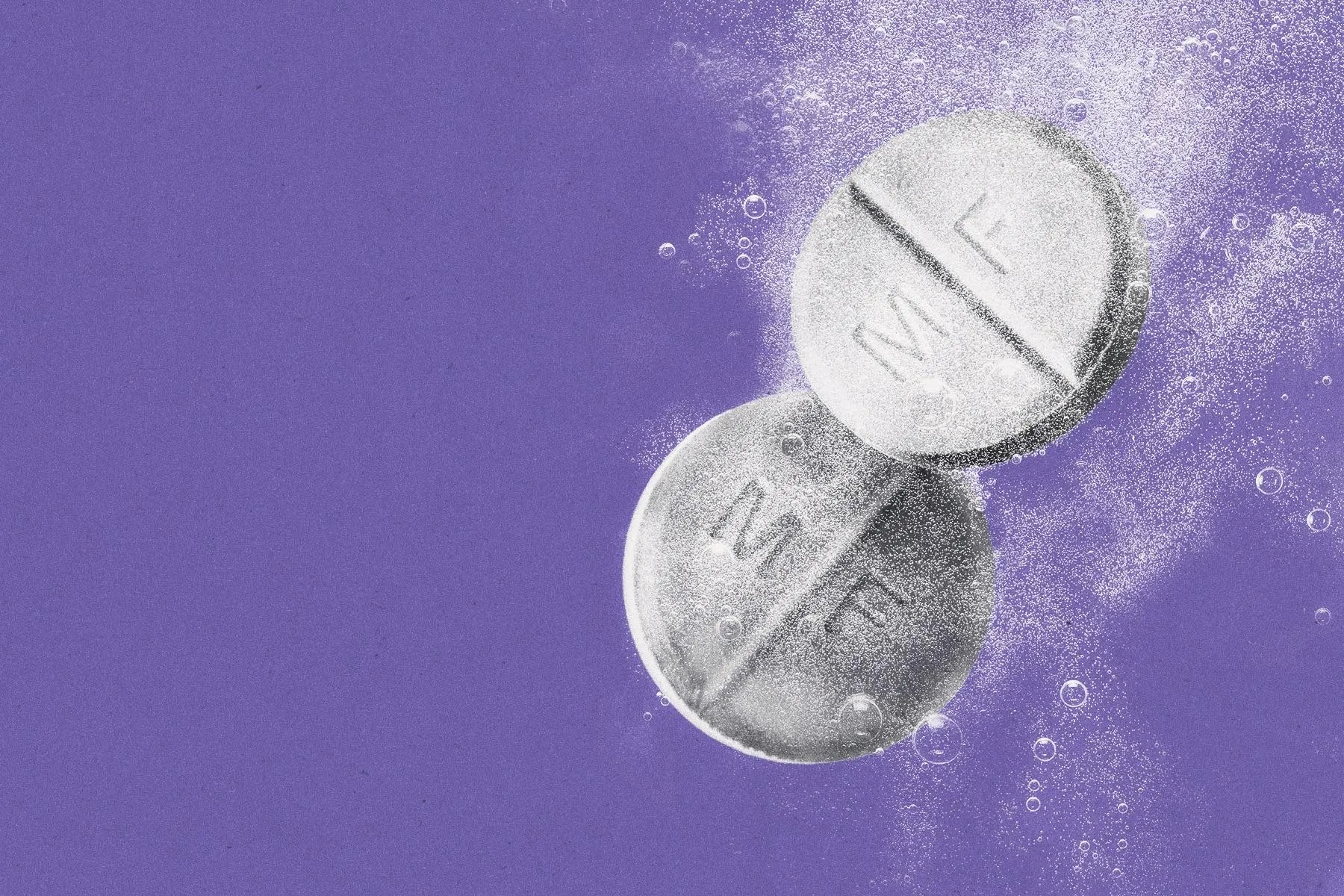
On September 9, Trump's Environmental Protection Agency announced a new study to screen America's drinking water for more than 1,000 possible pollutants. The press release didn't say so, but the list includes the two drugs used in medication abortion, mifepristone and misoprostol.
Anti-abortion activists had been pushing the EPA to look for abortion pills in drinking water since at least last fall. Students for Life of America called it "a victory for common sense." Its president, Kristan Hawkins, posted: "The Pro-Life Generation is finally being heard!"
So had a group of Republicans in Congress. 16 of them have report cards on this site.
The letter
On June 5, Rep. Chris Smith of New Jersey, Rep. Josh Brecheen and Sen. James Lankford of Oklahoma led a letter to EPA Administrator Lee Zeldin, signed by 19 Republicans in all, urging the agency to add mifepristone to its draft list of possible drinking-water contaminants.
The letter asks the EPA to find out "whether the active metabolites that enter our nation's water system through mifepristone abortions threaten access to safe drinking water," and to study whether mifepristone in the water "could cause endocrine disruption." Smith's press release about it called mifepristone a "baby poison pill."
The same day, 14 Republican state attorneys general sent a similar letter.
What the science says
According to The 19th, environmental health experts have consistently said there is no scientific evidence that abortion medication harms the environment or people.
Nathan Donley, environmental health science director at the Center for Biological Diversity, explained why. Mifepristone is taken by a small share of people, usually as a single dose. Many drugs that tens of millions of Americans take every day end up in wastewater in far greater amounts. And mifepristone wasn't even among the nearly 700 drugs the EPA had previously screened for possible water contamination.
When the FDA looked at mifepristone's effect on the environment in 1996, it found "no significant impact." The Republicans' letter cites that same FDA review and asks for it to be reconsidered.
Donley's summary:
"There are legitimate water quality threats that we need to attack and rectify in a regulatory manner. And then there are things that are out in left field that just distract people."
What it's really about
Medication abortion accounted for 63% of all U.S. abortions in 2023, according to the Guttmacher Institute. Abortions have actually gone up since Roe fell, in part because of the pills.
That's why the anti-abortion movement has turned to the water supply. Anna Bernstein of Guttmacher told The 19th: "This is really part of a broader effort to restrict access to medication abortion." In 2025, according to Guttmacher, lawmakers in seven states introduced nine bills tying abortion pills to water pollution. Some would make patients use "catch kits" to collect pregnancy tissue. Some would make drugmakers liable if the drugs turn up in wastewater.
One of the letter's signers, Mary Miller of Illinois, introduced her own bill in March, the Clean Water for All Life Act, built on the same claims.
According to Politico, as reported by Mother Jones, the EPA says its study will only show whether a chemical is present, not how much. That's the worry. Betsy Southerland, a former career scientist in EPA's Office of Water, told Politico: "If there is any detectable level of mifepristone or its metabolites, the anti-abortion groups will scream that we are unknowingly aborting fetuses by drinking public tap water."
Five days later, real pollution got a pass
Days after announcing the study, Zeldin went to Houston and announced the EPA is repealing the limits on carbon pollution from coal and gas power plants, a rule Biden's EPA estimated would prevent up to 1,200 early deaths in 2035 alone.
So the EPA is searching tap water for a one-dose drug scientists say isn't a threat, while letting power plants off the hook for pollution that is.
Who signed
Every one of these Republicans has a report card on this site, and every one signed the June 5 letter asking the EPA to treat mifepristone as a possible drinking-water contaminant:
- Arizona: Andy Biggs, Eli Crane, Paul Gosar
- Illinois: Mary Miller
- Indiana: Mark Messmer, Marlin Stutzman
- Montana: Troy Downing
- New Jersey: Chris Smith
- North Carolina: Mark Harris
- Oklahoma: Josh Brecheen
- South Carolina: Sheri Biggs
- Tennessee: Chuck Fleischmann
- Texas: Brian Babin, Michael Cloud
- Virginia: Ben Cline, John McGuire
What the record shows
In June, 16 Republicans with report cards on this site signed a letter asking the EPA to consider mifepristone, one of the two abortion pills, a possible drinking-water contaminant. Environmental health experts say there is no scientific evidence abortion medication harms the environment or people, and the FDA found "no significant impact" in 1996. On September 9 the EPA announced a water study that includes both abortion drugs, and anti-abortion groups celebrated. Five days later, the same EPA announced it is repealing carbon pollution limits on power plants.
Source
- Mother Jones: The EPA Would Rather Monitor Water for Abortion Pills than Pollution
- The 19th, via Salon: No, your drinking water isn't contaminated by abortion pills
- The June 5 letter to EPA Administrator Lee Zeldin
Photo: The 19th.


