The Constitution says the census counts "the whole number of persons in each State." The Trump administration has proposed a rule that would stop doing that.
The Census Bureau's proposal, published in the Federal Register on September 10, would leave undocumented immigrants out of the 2030 count used to hand out seats in the House of Representatives. According to Talking Points Memo, it goes further than that — excluding refugees and asylees too, and narrowing which immigrants who are here legally get counted at all.
It would also end the census's collection of race and ethnicity data — for the first time since the census began in 1790, TPM reported.
What the rule would change
Here's what the proposal does, according to TPM's reporting on the published rule:
- Changes what "home" means. In 2020, the census counted you where you "live and sleep most of the time." The new rule narrows that to a place "consistent with, and evidenced by, their tax records."
- Drops people from the count. Undocumented immigrants would be excluded from the count used for apportionment — the process that divides the 435 House seats among the states and sets each state's number of Electoral College votes. So would refugees and asylees.
- Opens the door to asking about immigration status. "The Census Bureau welcomes comments on the inclusion of a legal-status question on the short-form decennial census questionnaire," the rule says.
- Ends race and ethnicity questions. For the first time since 1790, the census would stop collecting them. The ban covers the 10-year census form itself; the rule leaves the Bureau free to keep asking on the American Community Survey and other surveys not used for the count.
The administration's own summary of the rule describes the count as "a process that factors in an element of allegiance."
Who it's built to help
The census count decides how much political power each state gets. Fewer people counted in a state means fewer House seats and fewer electoral votes.
TPM reported that Trump's administration "seeks to wield the decennial population count to benefit Republican states." This isn't the first try. Trump's first administration fought all the way to the Supreme Court to add a citizenship question to the 2020 census. It lost 5-4, with Chief Justice John Roberts finding the government's stated reason "contrived." After a Republican strategist died, his files showed how the GOP had realized that undercounting noncitizens could weaken Democratic-leaning states in Congress.
Republicans in Congress are pushing the same goal. Rep. Andrew Clyde filed a bill to drop every noncitizen from the count used to hand out House seats and redraw the House before 2028 — and 38 Republicans we track signed on the same day.
Why dropping race data hurts people
Race and ethnicity data isn't a curiosity. Everyone from public health researchers to billion-dollar corporations depends on it, experts told TPM.
"Race and ethnicity are just decidedly meaningful variables in the United States," demographer Chris Dick told TPM. Howard Fienberg of the Insights Association, a market research trade group, went further: removing that benchmark, he said, means "unmooring pretty much almost all of the insights garnered across the United States… And that's priming the United States for an economic disaster."
Advocates say the count itself breaks the Constitution. "The U.S. Constitution requires apportionment based on the whole population in each state, regardless of citizenship status," Terry Ao Minnis of Asian Americans Advancing Justice – AAJC told TPM.
And now the experts have been told to keep quiet
The public has until October 13 to comment on the rule. During that window, the people who know the census best have been told to stop appearing at public events about it.
TPM obtained an email showing Census Bureau leaders ordered staff to halt all outside events related to the 2030 census until the comment period ends. Employees were also told to write memos justifying any event they attend, even ones that have nothing to do with 2030.
"It is highly unusual to blanket deprive the public of access to Census professionals at any time," John Abowd, the Census Bureau's former chief scientist, told TPM.
It fits a pattern. The Bureau banned a data-privacy method after a far-right campaign against it, and put political appointees on a research committee that had been nonpolitical. It also published an anonymous report on noncitizen voting that experts said likely relied on inaccurate data — a report we've covered before.
The administration also turned down outside groups' requests for meetings on the rule, TPM reported. A draft it obtained shows the White House and the Commerce Department worked out ahead of time how to justify canceling them, deciding the rule was significant, but not economically significant. Fienberg called that label "fantastically idiotic."
The short version
The Trump administration's proposed census rule would drop undocumented immigrants, refugees and asylees from the count that divides House seats and electoral votes among the states, tie where people "live" to their tax records, and end race and ethnicity data for the first time since 1790. Comments close October 13 — and Census Bureau staff have been ordered to halt public events about the 2030 census until then.
Sources
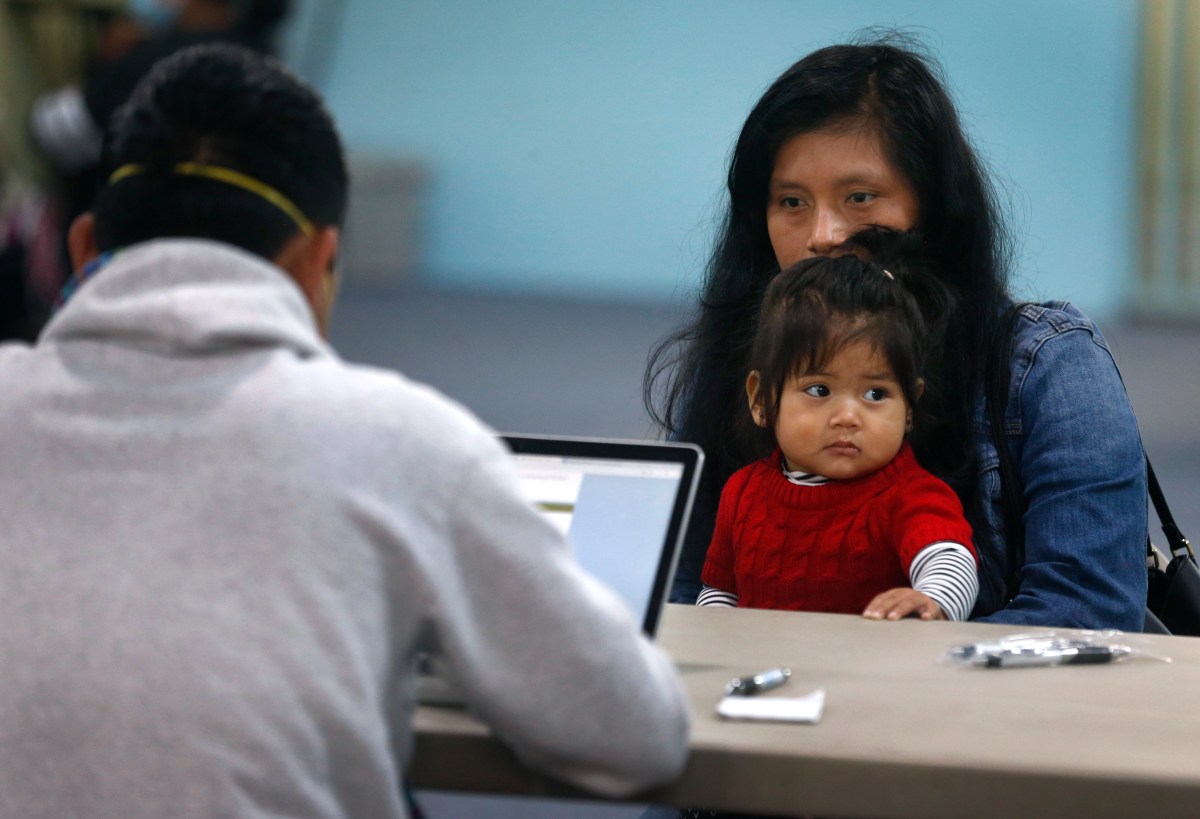
This post is based on the proposed rule in the Federal Register and reporting by Talking Points Memo. Photo: Paul Chinn/The San Francisco Chronicle via Getty Images, via TPM.